
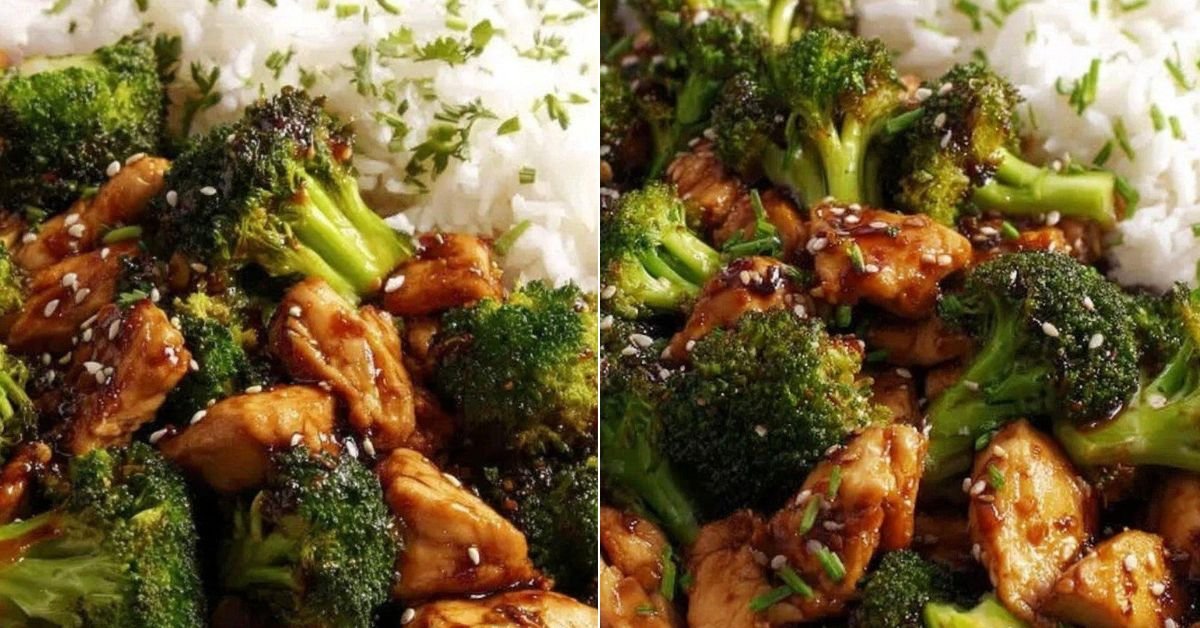
1) What I Learned Testing Teriyaki Chicken and Broccoli Stir-Fry
Dry chicken and soggy broccoli can ruin dinner fast. I’m Camila, and I learned that the hard way after rushing one too many skillet meals that tasted flat and overcooked. When I tested Teriyaki Chicken and Broccoli in separate stages, then added the homemade teriyaki sauce only at the end, everything changed. The chicken stayed juicy, the broccoli kept its snap, and the sauce turned glossy instead of watery. This chicken broccoli stir fry became one of those calm, reliable dinners I reach for when I want something fast but still thoughtful.
Table of Contents
- 1) What I Learned Testing Teriyaki Chicken and Broccoli Stir-Fry
- 2) Key Takeaways
- 3) Easy Teriyaki Chicken and Broccoli Stir-Fry Recipe
- 4) Why Most Teriyaki Chicken and Broccoli Stir-Fry Recipes Fail
- 5) Ingredients for Teriyaki Chicken and Broccoli Stir-Fry
- 6) How to Make Teriyaki Chicken and Broccoli Stir-Fry
- 7) Recipe Card: Teriyaki Chicken and Broccoli Stir-Fry
- 8) Tips for Making Teriyaki Chicken and Broccoli Stir-Fry
- 9) Common Mistakes & Fixes
- 10) How to Tell Teriyaki Chicken and Broccoli Stir-Fry Has the Right Texture
- 11) Professional Secrets Behind Better Teriyaki Chicken and Broccoli Stir-Fry
- 12) Best Dishes or Pairings to Serve With Teriyaki Chicken and Broccoli Stir-Fry
- 13) Making Teriyaki Chicken and Broccoli Stir-Fry Ahead of Time
- 14) Storing Leftover Teriyaki Chicken and Broccoli Stir-Fry
- 15) FAQ (Real Cooking Questions)
- 16) Save This Teriyaki Chicken and Broccoli Stir-Fry Recipe
- 17) Conclusion
- 18) Nutrition
2) Key Takeaways
- Cook the chicken first: Removing it from the pan prevents overcooking while the broccoli finishes.
- Keep the broccoli tender-crisp: Bright green florets with a little bite make the final dish fresher and less heavy.
- Add garlic and ginger late: They need only a minute to bloom, and they turn bitter if scorched.
- Thicken the sauce at the end: The cornstarch slurry works best when the chicken and vegetables are ready to coat.
3) Easy Teriyaki Chicken and Broccoli Stir-Fry Recipe
Teriyaki Chicken and Broccoli Stir-Fry works because it treats each part of the pan with intention. Chicken needs enough direct heat to cook through quickly without drying out. Broccoli needs a shorter stir-fry so it stays green, fresh, and slightly crisp. The sauce needs only a few minutes at the end, after the cornstarch has been whisked smooth, so it thickens into a shiny coating instead of reducing into a salty glaze.
The goal is not a heavy, sticky sauce that covers up the ingredients. The goal is tender chicken, snappy broccoli, a little sweetness from brown sugar or honey, a clean acidic lift from rice vinegar, and enough soy sauce depth to make every bite savory. That balance is what turns a quick chicken stir fry into a dinner that feels organized rather than rushed.
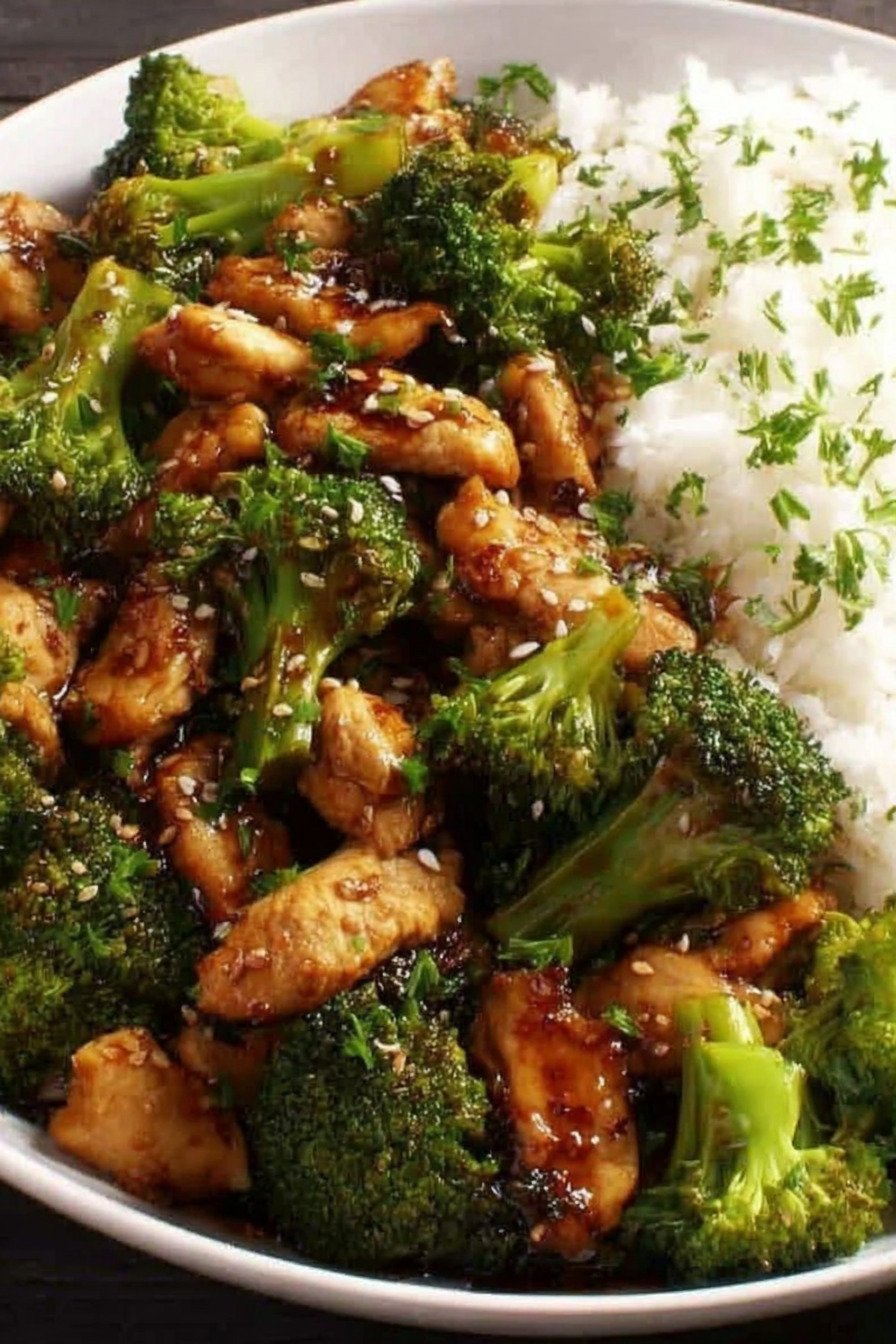
4) Why Most Teriyaki Chicken and Broccoli Stir-Fry Recipes Fail
Most Teriyaki Chicken and Broccoli Stir-Fry problems come from timing. If chicken and broccoli go into the pan together, one usually suffers. The chicken may overcook while the broccoli softens, or the broccoli may stay tough while the chicken releases moisture. Cooking the chicken first gives it a clear finish point: no pink inside and an internal temperature of 165°F.
Another common failure is watery sauce. Broccoli holds moisture, especially if the florets are crowded or damp. When that water hits the skillet, the sauce thins out and loses its glossy cling. A hot pan, evenly cut broccoli, and a sauce added after the vegetables are tender-crisp help prevent pooling.
Garlic and ginger can also throw off the flavor when added too early. They are small, delicate aromatics, so they burn quickly over medium-high heat. Adding them after the vegetables gives them just enough time to become fragrant without turning harsh.
The final issue is the cornstarch slurry. If it is not stirred smooth before entering the skillet, it can create uneven thick spots. Whisking the soy sauce, brown sugar or honey, rice vinegar, and slurry together first creates a homemade teriyaki sauce that thickens consistently around the chicken and broccoli.
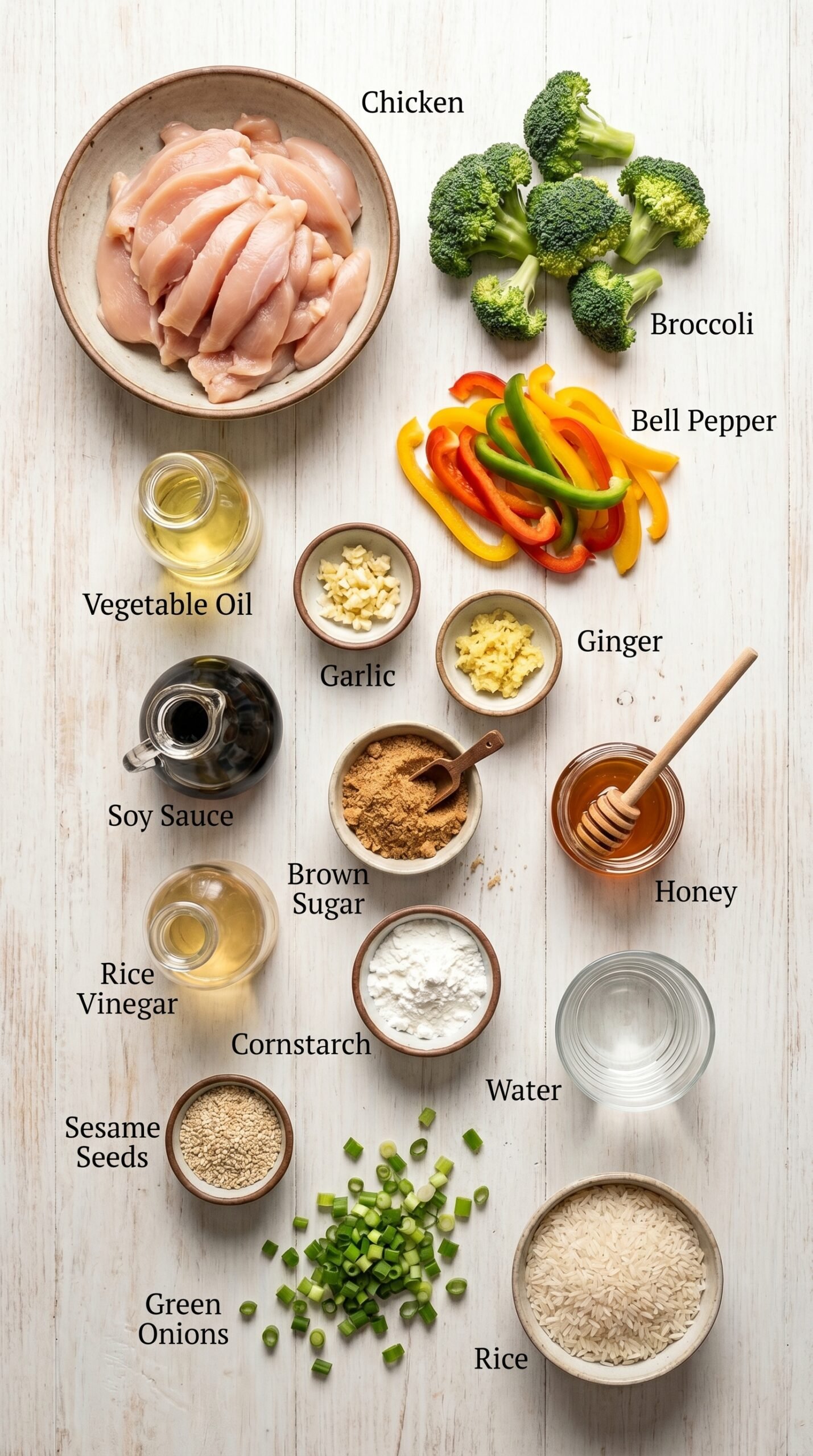
5) Ingredients for Teriyaki Chicken and Broccoli Stir-Fry
Boneless skinless chicken breast or thighs: Chicken breast gives a leaner bite, while thighs stay a little juicier if the pan runs hot. Slice the chicken thinly before cooking so it finishes quickly and evenly.
Broccoli florets: Broccoli brings the main vegetable structure. Cut the florets into similar sizes so they stir-fry at the same pace. Larger pieces may stay firm in the center while smaller bits overcook.
Bell pepper: This optional ingredient adds sweetness, color, and crunch. Add it with the broccoli so it softens slightly without collapsing.
Vegetable oil: A neutral oil handles medium-high heat better than delicate oils. Dividing it between the chicken and vegetables keeps the pan from drying out.
Garlic: Minced garlic adds the savory aroma that makes this easy teriyaki chicken taste rounded. Add it after the broccoli has started cooking so it does not burn.
Ginger: Optional grated ginger gives warmth and brightness. Fresh ginger is stronger than dried, so a small amount is enough.
Soy sauce: Soy sauce is the salty backbone of the chicken teriyaki recipe. If using a lower-sodium version, taste the finished sauce before serving because it may need a little more seasoning.
Brown sugar or honey: Either sweetener balances the soy sauce and helps the sauce look glossy. Brown sugar gives a deeper caramel note, while honey creates a smoother sweetness.
Rice vinegar: Rice vinegar keeps the sauce from tasting flat. Its acidity cuts through the sweetness and makes the broccoli stir fry taste cleaner.
Cornstarch slurry: Cornstarch mixed with water thickens the sauce quickly. Stir it well before adding it to the pan because settled starch can create lumps.
Sesame seeds and green onions: These optional garnishes add a nutty finish and fresh bite. Add them right before serving so they stay distinct.
Cooked rice or noodles: Rice absorbs the glossy sauce, while noodles make the dish feel heartier. Have either one ready before the stir-fry finishes because the sauce is best served hot.
- Chicken breast vs chicken thighs: Breast cooks lean and quick, while thighs offer more forgiveness and a juicier bite.
- Brown sugar vs honey: Brown sugar gives a deeper flavor, while honey gives a smoother, lightly floral sweetness.
- Fresh broccoli vs overcooked broccoli: Fresh, crisp-tender broccoli holds the sauce better and keeps the dish from tasting heavy.
- Smooth slurry vs dry cornstarch: A slurry thickens evenly; dry cornstarch can clump as soon as it hits hot liquid.
6) How to Make Teriyaki Chicken and Broccoli Stir-Fry
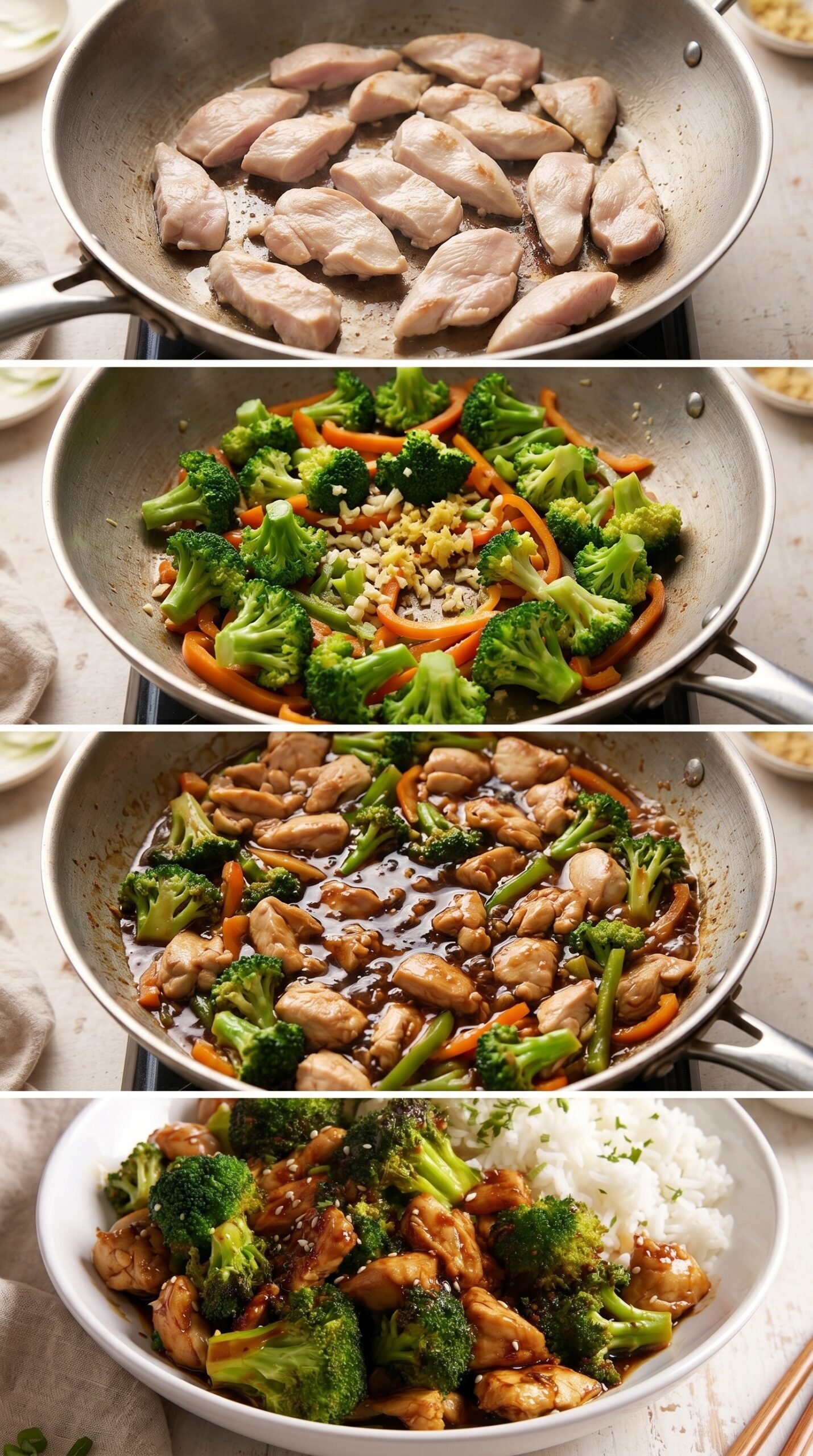
Step 1: Heat the first tablespoon of vegetable oil in a skillet or wok over medium-high heat. The oil should shimmer before the chicken goes in. If the pan is too cool, the chicken will steam and release liquid instead of cooking cleanly.
Step 2: Add the sliced chicken and cook it for about 5 to 7 minutes, stirring occasionally. Look for pieces that are opaque all the way through with no pink remaining. Remove the chicken from the skillet so it does not overcook while the vegetables finish.
Step 3: Add the remaining oil to the same pan, then add the broccoli and optional bell pepper. Stir-fry for 3 to 4 minutes. The broccoli should become bright green and tender-crisp, not limp or dull.
Step 4: Stir in the minced garlic and grated ginger. Cook for about 1 minute, just until fragrant. This is the moment when the pan should smell savory and warm, not sharp or burnt.
Step 5: Whisk the soy sauce, brown sugar or honey, rice vinegar, and cornstarch slurry in a bowl until smooth. Pour the sauce into the skillet after returning the chicken to the pan, then stir for 2 to 3 minutes until the sauce thickens and coats everything.
Step 6: Serve the stir-fry hot over cooked rice or noodles. Add sesame seeds and green onions at the end if you want extra texture and freshness.
7) Recipe Card: Teriyaki Chicken and Broccoli Stir-Fry
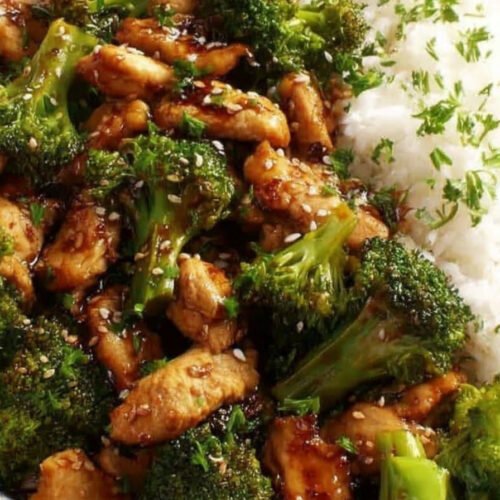
Teriyaki Chicken and Broccoli Stir-Fry
Ingredients
- 1 lb boneless skinless chicken breast or thighs, sliced thinly so the pieces cook quickly and evenly
- 3 cups broccoli florets, cut into similar-size pieces for crisp-tender cooking
- 1 bell pepper, sliced (optional), for color, sweetness, and extra crunch
- 2 tablespoons vegetable oil, divided for cooking the chicken and vegetables separately
- 2 cloves garlic, minced finely so it perfumes the sauce without burning
- 1 teaspoon grated ginger (optional), for warm, fresh flavor in the teriyaki sauce
- 1/4 cup soy sauce, the salty foundation of the sauce
- 2 tablespoons brown sugar or honey, for sweetness and a glossy finish
- 1 tablespoon rice vinegar, to balance the sweetness with gentle acidity
- 1 tablespoon cornstarch mixed with 2 tablespoons water, stirred smooth to thicken the sauce
- Sesame seeds and green onions for garnish (optional), for a fresh, nutty finish
- Cooked rice or noodles for serving, prepared before the stir-fry comes together
Instructions
- Heat 1 tablespoon of vegetable oil in a large skillet or wok over medium-high heat until the oil shimmers. A hot pan helps the chicken sear instead of steam.
- Add the sliced chicken in an even layer and cook, stirring occasionally, until fully cooked and no longer pink, about 5 to 7 minutes. For the juiciest result, cook chicken to 165°F, then remove it from the pan and set it aside.
- Add the remaining 1 tablespoon of oil to the same pan. Add the broccoli florets and optional bell pepper, then stir-fry for 3 to 4 minutes until the broccoli turns bright green and tender-crisp, not soft or dull.
- Add the minced garlic and optional grated ginger to the pan. Stir constantly for about 1 minute, just until fragrant, so the aromatics bloom without scorching.
- In a small bowl, whisk together the soy sauce, brown sugar or honey, rice vinegar, and cornstarch slurry until smooth. Make sure no dry cornstarch remains, or the sauce may thicken unevenly.
- Return the cooked chicken to the skillet and pour in the sauce. Stir well so the chicken and vegetables are coated, then cook for 2 to 3 minutes until the sauce turns glossy and thick enough to cling to the pieces.
- Serve the stir-fry hot over cooked rice or noodles. Garnish with sesame seeds and green onions if desired, and spoon any extra sauce from the pan over the top.
8) Tips for Making Teriyaki Chicken and Broccoli Stir-Fry
Cut the chicken before heating the pan so the cooking process stays fast. Stir-fry recipes move quickly, and pausing to slice or mix sauce after the pan is hot usually leads to uneven cooking. Keep the chicken pieces similar in thickness so they finish around the same time.
Dry the broccoli if it has just been washed. Extra water on the florets creates steam, and steam softens broccoli faster than direct skillet heat. A small amount of moisture is fine, but wet florets can thin the sauce and make the final dish less glossy.
Do not walk away after adding the sauce. Cornstarch thickens quickly once it heats. Stir constantly for those final 2 to 3 minutes so the homemade teriyaki sauce coats the chicken and broccoli evenly instead of sticking to one side of the pan.
If the sauce tightens too much, add a tablespoon of water and stir until it loosens. If it tastes too salty, add a small drizzle of honey or a splash of rice vinegar. Those tiny adjustments can rescue the balance without changing the recipe identity.
9) Common Mistakes & Fixes
Problem: The chicken tastes dry. Cause: It stayed in the pan while the broccoli cooked. Fix: Cook the chicken first, remove it, and return it only when the sauce is ready to thicken.
Problem: The broccoli is limp. Cause: It cooked too long or steamed in a crowded pan. Fix: Stir-fry it for only 3 to 4 minutes and stop when it is bright green and tender-crisp.
Problem: The sauce is watery. Cause: The broccoli released moisture or the slurry was not strong enough in the pan. Fix: Keep the pan hot, avoid wet vegetables, and let the sauce bubble briefly so the cornstarch activates.
Problem: The sauce has lumps. Cause: The cornstarch settled before being added. Fix: Whisk the sauce again right before pouring it into the skillet.
Problem: The garlic tastes bitter. Cause: It cooked too early over medium-high heat. Fix: Add garlic and ginger after the vegetables and cook them for only about a minute.
10) How to Tell Teriyaki Chicken and Broccoli Stir-Fry Has the Right Texture
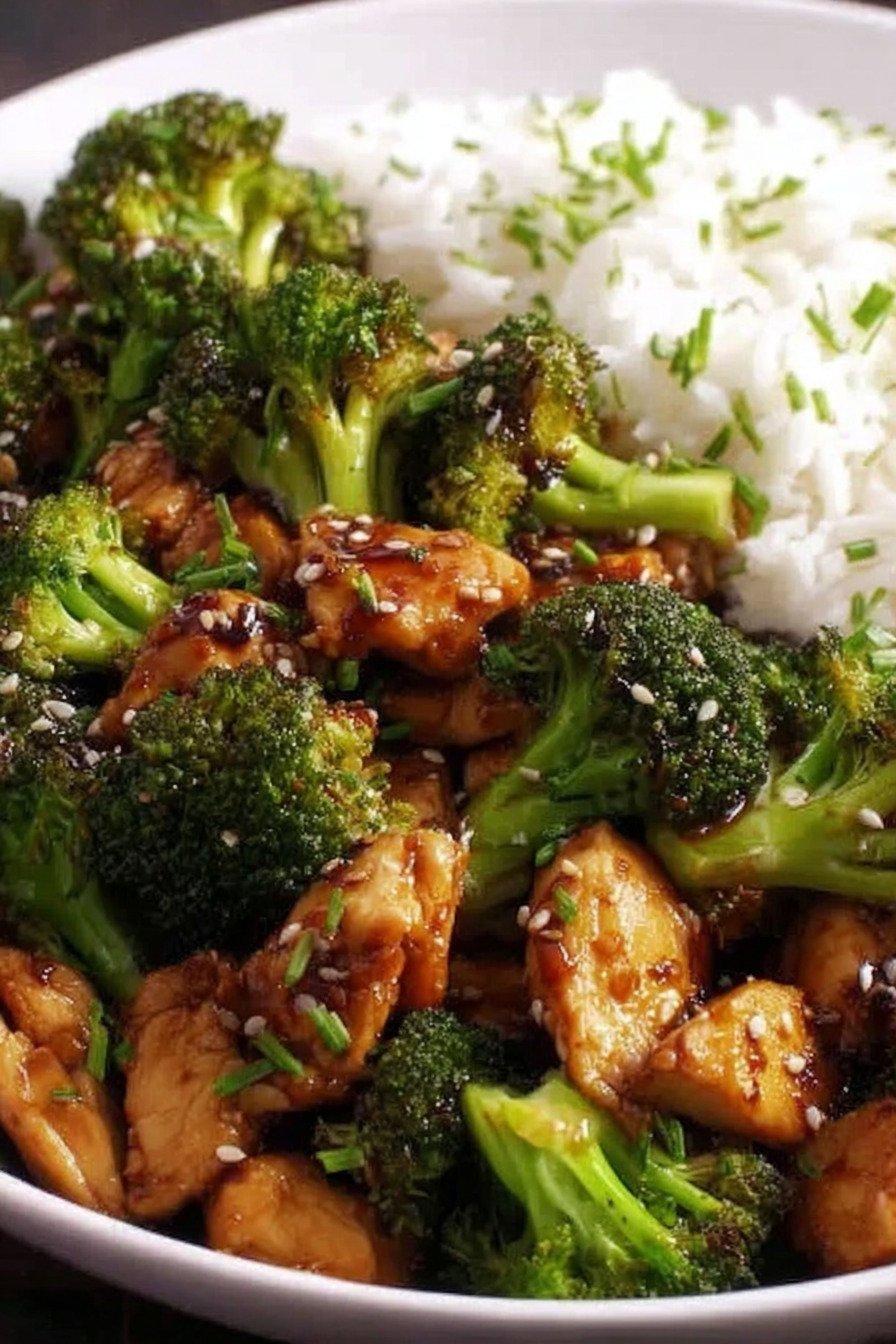
Teriyaki Chicken and Broccoli Stir-Fry is ready when the chicken is tender, opaque, and coated in sauce without looking dry. The broccoli should be bright green with a little resistance when you bite it. The sauce should look glossy and cling to the chicken and vegetables instead of running straight to the bottom of the skillet.
The aroma should be savory, lightly sweet, and fragrant from garlic and ginger. If the dish smells sharp or burnt, the aromatics likely cooked too long. If the sauce looks dull, watery, or grainy, it may need another minute of stirring or a small splash of water to smooth it out.
A good final texture has contrast: juicy chicken, crisp-tender broccoli, and a sauce that lightly coats each bite. Failure signs include rubbery chicken, gray-green broccoli, sticky sauce that clumps, or liquid pooling under the rice or noodles.
11) Professional Secrets Behind Better Teriyaki Chicken and Broccoli Stir-Fry
The first professional habit is cooking in stages. Restaurants rarely toss everything into the pan at once and hope for the best. They control doneness by giving each ingredient the heat it needs. That is why the chicken is cooked first, the vegetables are stir-fried second, and the sauce finishes last.
The second secret is sauce viscosity. A sauce that is too thin tastes weak because it slides off the food. A sauce that is too thick tastes heavy and salty because it sits in clumps. The right texture forms when the cornstarch slurry bubbles briefly, turns glossy, and coats the back of a spoon.
The third secret is aroma timing. Garlic and ginger should smell lively and warm, not toasted dark brown. Adding them close to the sauce stage keeps their flavor clean and helps the whole chicken teriyaki recipe taste fresher.
12) Best Dishes or Pairings to Serve With Teriyaki Chicken and Broccoli Stir-Fry
Steamed white rice is the simplest pairing because it catches the sauce without competing with it. Brown rice adds a nuttier flavor and more chew. Noodles make the dish feel more filling, especially if you toss them lightly with a spoonful of the pan sauce before serving.
For a fresher plate, serve this broccoli stir fry with cucumber salad, quick pickled carrots, or a simple cabbage slaw. The cool crunch balances the sweet-savory sauce. If you want a heartier dinner, add a bowl of miso soup, vegetable fried rice, or steamed edamame on the side.
For family-style serving, place the rice or noodles in a wide bowl and spoon the chicken and broccoli over the top. Finish with green onions and sesame seeds right before eating so the garnish stays fresh and visible.
13) Making Teriyaki Chicken and Broccoli Stir-Fry Ahead of Time
You can prep the components ahead without fully cooking the stir-fry. Slice the chicken, cut the broccoli, slice the optional bell pepper, and whisk the sauce ingredients separately. Keep the cornstarch slurry stirred well before cooking because cornstarch settles as it sits.
For the best texture, cook this quick chicken stir fry close to serving time. Stir-fries are strongest when the vegetables are freshly cooked and the sauce has just thickened. If you need to cook it ahead, slightly undercook the broccoli so it does not become too soft when reheated.
Rice or noodles can be made in advance and reheated separately. Keeping the base separate from the stir-fry prevents it from absorbing all the sauce before dinner.
14) Storing Leftover Teriyaki Chicken and Broccoli Stir-Fry
Store leftover Teriyaki Chicken and Broccoli Stir-Fry in an airtight container in the refrigerator for up to 3 days. For the best texture, store rice or noodles in a separate container so they do not soak up the sauce and become heavy.
Reheat leftovers gently in a skillet over medium heat with a splash of water. The water loosens the sauce and helps it turn glossy again. Microwaving works too, but use shorter intervals and stir between them so the chicken does not overcook.
Freezing is possible, but the broccoli will soften after thawing. If texture matters most, refrigerating is better. Leftovers can also be chopped and tucked into lettuce wraps, rice bowls, or quick noodle bowls the next day.
15) FAQ (Real Cooking Questions)
Can I use chicken thighs instead of chicken breast? Yes. Chicken thighs work very well because they stay juicy and tolerate high heat better. Slice them thinly so they cook in the same 5 to 7 minute range.
Can I use frozen broccoli? You can, but thaw it and pat it dry first. Frozen broccoli releases more water, which can thin the sauce and soften the texture.
Why did my teriyaki sauce get too thick? The sauce may have cooked too long after the cornstarch activated. Add a tablespoon of water at a time and stir until it becomes glossy again.
Can I make this easy teriyaki chicken less sweet? Yes. Use the lower end of the brown sugar or honey amount, then balance the sauce with a small splash of rice vinegar if needed.
How do I keep the chicken tender? Slice it evenly, cook it over medium-high heat, and remove it from the pan once it is cooked through. Returning it only at the sauce stage keeps it from drying out.
16) Save This Teriyaki Chicken and Broccoli Stir-Fry Recipe
If this Teriyaki Chicken and Broccoli Stir-Fry helped you solve dry chicken, watery sauce, or soft broccoli, save it for your next fast skillet dinner. The key reminder is: cook the chicken and vegetables in stages, then thicken the sauce at the end.
17) Conclusion
A good Teriyaki Chicken and Broccoli Stir-Fry is not complicated, but it does ask for timing. Once you understand why the chicken cooks first, why the broccoli needs only a short stir-fry, and why the sauce waits until the end, the whole dish becomes easier to control.
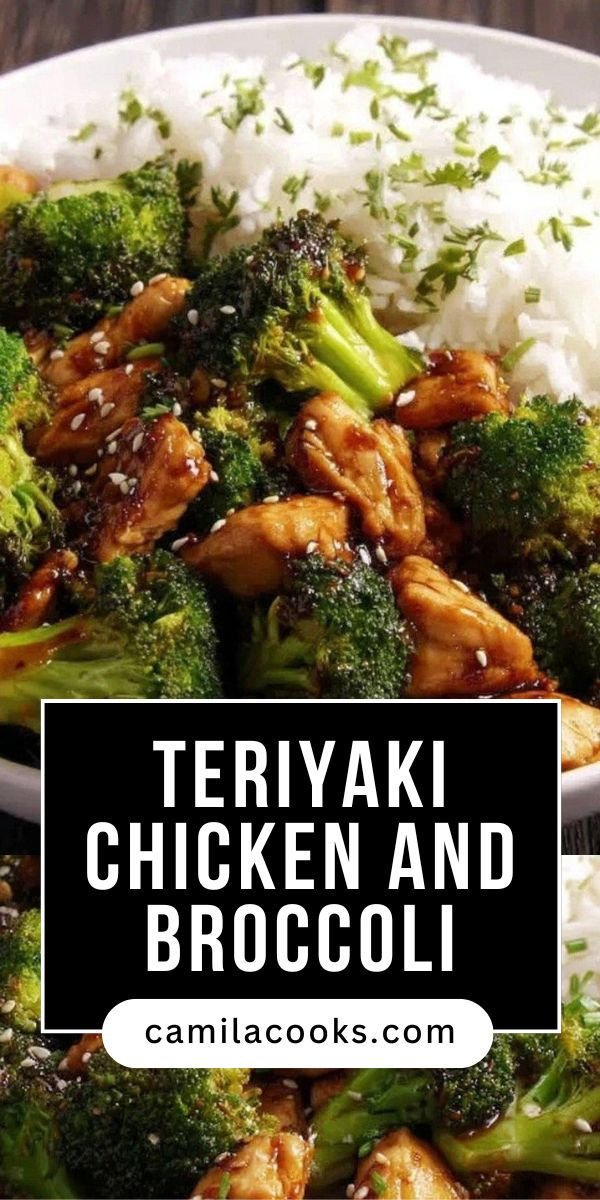
That is the real transformation: instead of hoping the skillet works out, you know what to watch for. Juicy chicken, crisp-tender broccoli, fragrant garlic and ginger, and a glossy homemade teriyaki sauce are all signs that the method is doing its job.
18) Nutrition
Serving Size 1 portion Calories 360 Sugar 8 g Sodium 760 mg Fat 13 g Saturated Fat 2 g Carbohydrates 28 g Fiber 4 g Protein 31 g Cholesterol 85 mg

Leave a Comment