
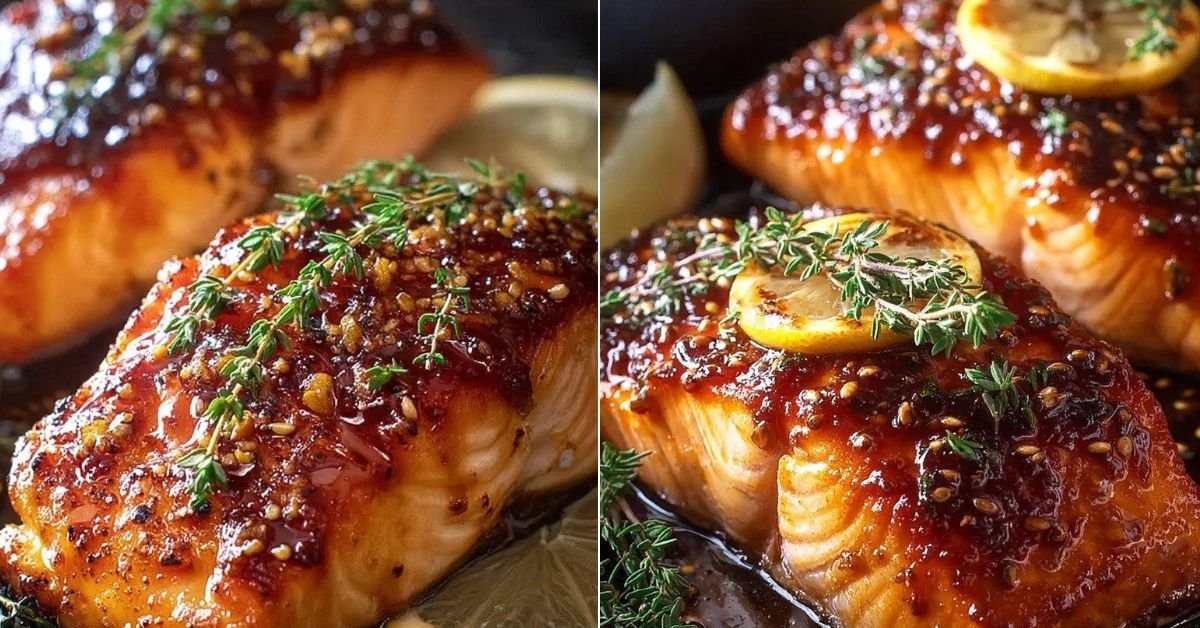
What I Learned Testing Brown Sugar Glazed Salmon
Dry salmon with a watery glaze is frustrating, especially when dinner is supposed to be quick. I’m Camila, and my early brown sugar glazed salmon tests either slid off the fish or darkened before the center was tender. After adjusting the soy sauce balance, patting the fillets dry, and watching the final broil closely, I found the sweet spot: a glossy brown sugar glaze for salmon that clings, caramelizes, and keeps the fish moist. This baked brown sugar salmon feels like the kind of calm 20-minute dinner I want on a busy family night.
Table of Contents
- 1) What I Learned Testing Brown Sugar Glazed Salmon
- 2) Key Takeaways
- 3) Easy Brown Sugar Glazed Salmon: The Ultimate 20-Minute Meal Recipe
- 4) Why Most Brown Sugar Glazed Salmon: The Ultimate 20-Minute Meal Recipes Fail
- 5) Ingredients for Brown Sugar Glazed Salmon: The Ultimate 20-Minute Meal
- 6) How to Make Brown Sugar Glazed Salmon: The Ultimate 20-Minute Meal
- 7) Recipe Card: Brown Sugar Glazed Salmon: The Ultimate 20-Minute Meal
- 8) Tips for Making Brown Sugar Glazed Salmon: The Ultimate 20-Minute Meal
- 9) Common Mistakes & Fixes
- 10) How to Tell Brown Sugar Glazed Salmon Is Done
- 11) Professional Secrets Behind Better Brown Sugar Glazed Salmon
- 12) Best Dishes or Pairings to Serve With Brown Sugar Glazed Salmon
- 13) Making Brown Sugar Glazed Salmon Ahead of Time
- 14) Storing Leftover Brown Sugar Glazed Salmon
- 15) FAQ (Real Cooking Questions)
- 16) Save This Brown Sugar Glazed Salmon Recipe
- 17) Conclusion
- 18) Nutrition
2) Key Takeaways
- Patting salmon dry is not a tiny detail; it helps the brown sugar glaze grip the fish instead of sliding into a puddle.
- Low sodium soy sauce keeps the glaze savory without making the finished salmon taste overly salty.
- The broiler is useful only at the end, and only for 1 to 2 minutes, because brown sugar can burn quickly.
- The salmon is done when it flakes easily, looks opaque in the center, and still feels moist rather than firm and dry.
3) Easy Brown Sugar Glazed Salmon: The Ultimate 20-Minute Meal Recipe
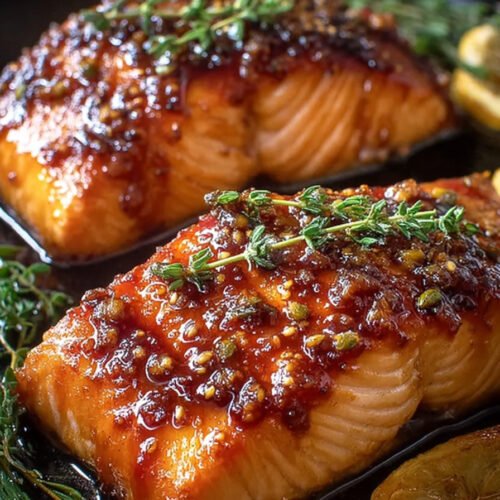
Brown sugar glazed salmon works because it leans on contrast: sweet brown sugar, savory soy sauce, mellow olive oil, fresh garlic, and a little black pepper. Salmon is naturally rich, so it can handle a sweet glaze as long as the sweetness is balanced with salt and aroma. The goal is not to bury the fish under syrup. The goal is a thin, shiny coating that seasons the top, caramelizes at the edges, and keeps the center tender.
This is also why the oven method matters. Baking at 400°F gives the salmon enough heat to cook quickly while giving the glaze time to thicken. A final short broil can add deeper color, but it should never replace the bake. Think of broiling as a finishing tool, not the main cooking method.
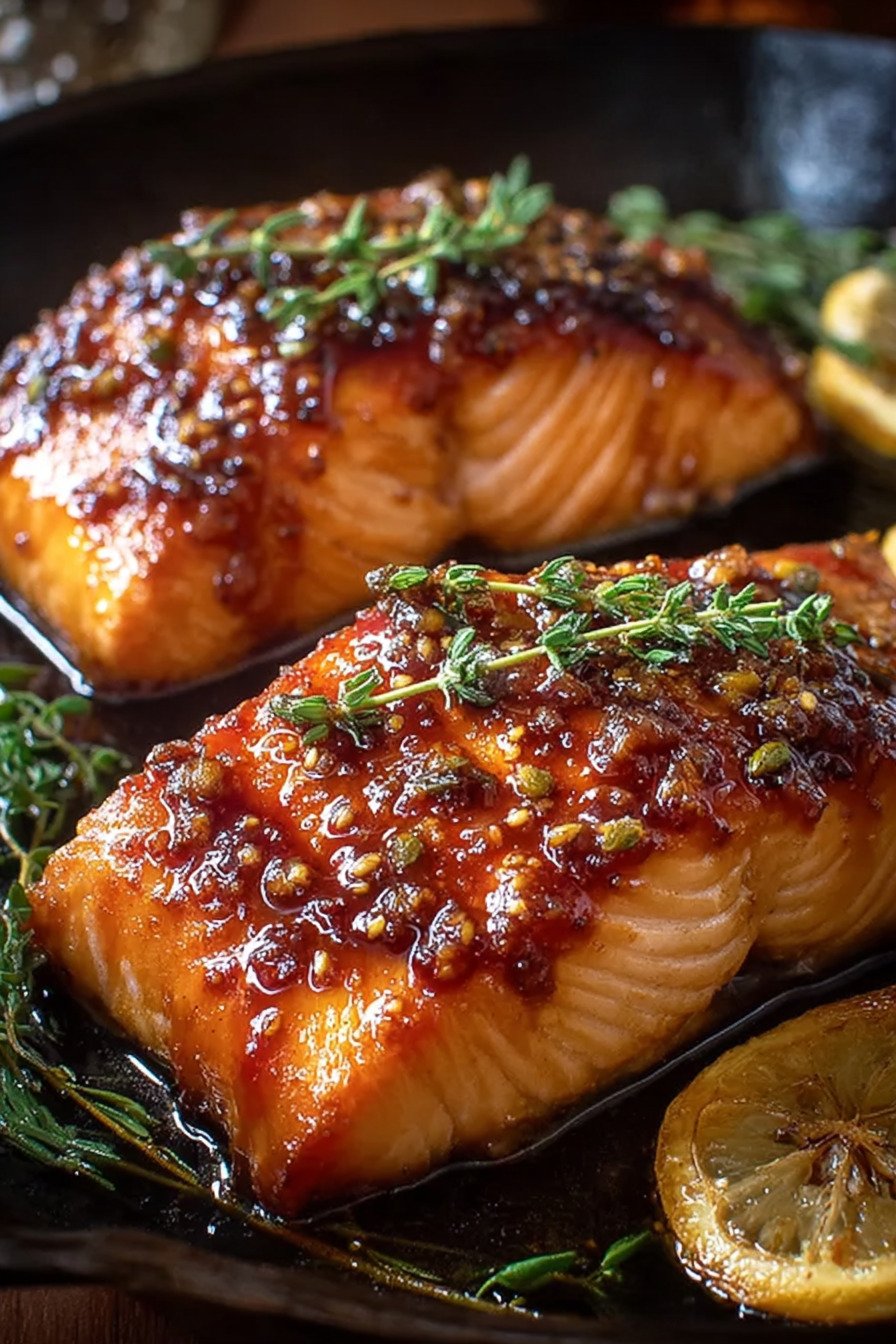
4) Why Most Brown Sugar Glazed Salmon: The Ultimate 20-Minute Meal Recipes Fail
Most failures with brown sugar glazed salmon come from moisture, heat, and timing. If the fillets are wet, the glaze thins out before it can cling. That creates a watery layer around the fish and prevents the top from becoming glossy. Patting the salmon dry gives the glaze a better surface to hold onto.
Another common problem is over-broiling. Brown sugar darkens fast under direct heat, which can trick you into thinking more color means better flavor. Past a certain point, the glaze turns bitter while the salmon continues drying out. A short broil at the end gives caramelized edges without sacrificing the tender center.
Flat flavor is another issue. Brown sugar alone tastes sweet but not complete. Soy sauce brings salt and depth, garlic adds aroma, olive oil helps the glaze spread, and black pepper keeps the finish from tasting one-dimensional. When those elements stay balanced, brown sugar garlic salmon tastes savory-sweet instead of sugary.
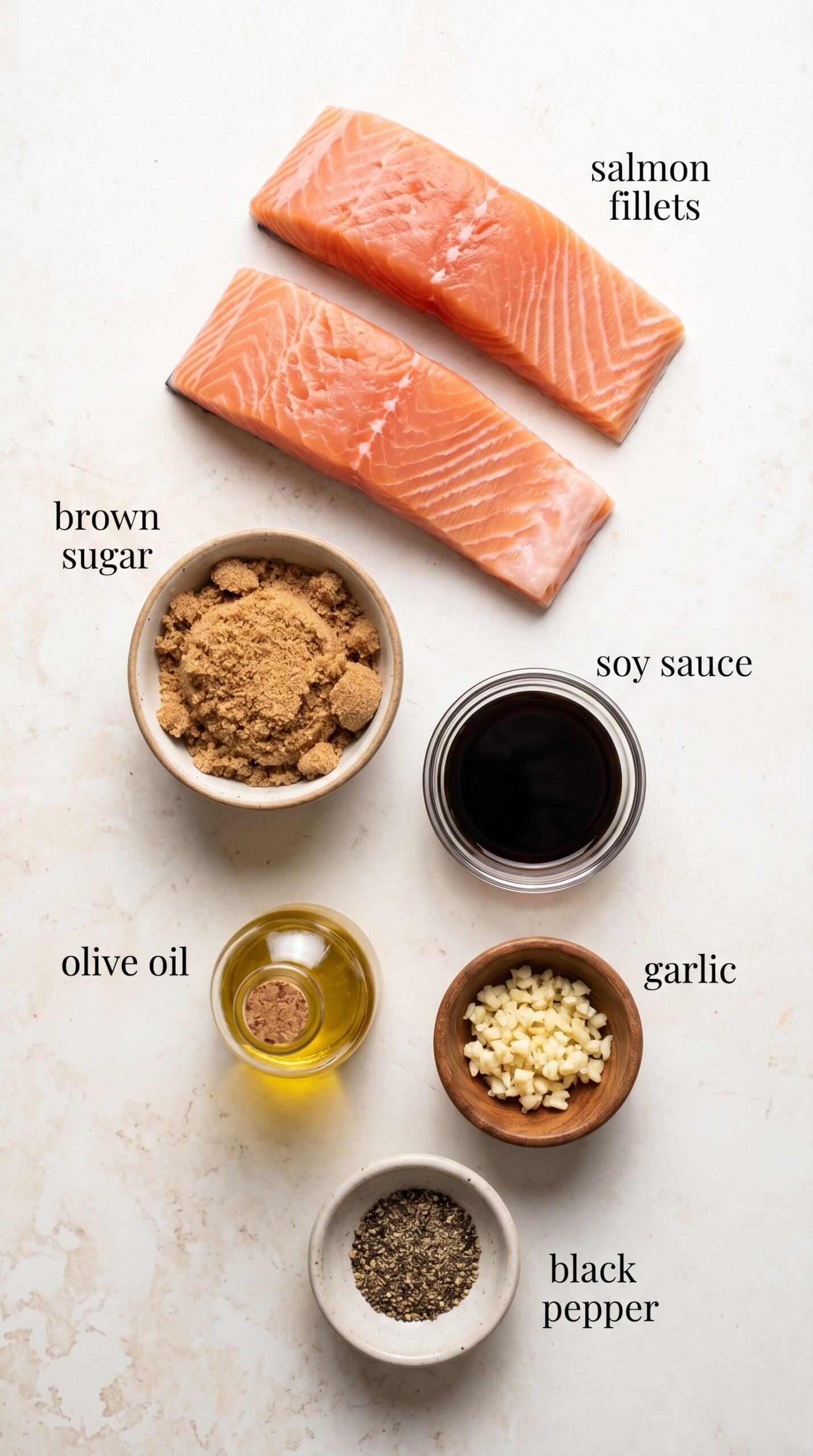
5) Ingredients for Brown Sugar Glazed Salmon: The Ultimate 20-Minute Meal
Salmon fillets: Use 2 salmon fillets, about 6 ounces each and roughly 1 inch thick. Similar thickness helps them cook at the same speed. If one fillet is much thinner, it may be done before the thicker piece has reached the right texture.
Brown sugar: Packed brown sugar gives the glaze its sweetness, shine, and caramelized finish. Use it when whisking the glaze so it can dissolve into the soy sauce and olive oil. Reducing it too much makes the glaze less glossy.
Soy sauce: Low sodium soy sauce is useful because it balances the sweetness without overpowering the salmon. Regular soy sauce can work, but the finished glaze may taste sharper and saltier.
Olive oil: Olive oil helps the glaze loosen and spread evenly across the salmon. Without it, the brown sugar mixture can feel thicker and may sit unevenly on the fish.
Garlic: Minced garlic gives the glaze its savory backbone. Mince it finely so it cooks evenly and does not leave harsh pieces on top of the salmon.
Black pepper: Freshly ground black pepper adds a gentle bite that keeps the glaze from tasting too sweet. Add it after spooning the glaze over the fillets so it stays present on the surface.
- Brown sugar vs honey: Brown sugar gives a deeper caramel note, while honey creates a lighter floral sweetness and can brown even faster.
- Low sodium soy sauce vs regular soy sauce: Low sodium soy sauce gives better control, especially because the glaze reduces slightly as it bakes.
- Fresh garlic vs garlic powder: Fresh garlic gives a stronger aroma and better savory depth; garlic powder is smoother but less lively.
- Baking vs broiling only: Baking cooks the salmon gently and evenly, while broiling only can burn the glaze before the fish is done.
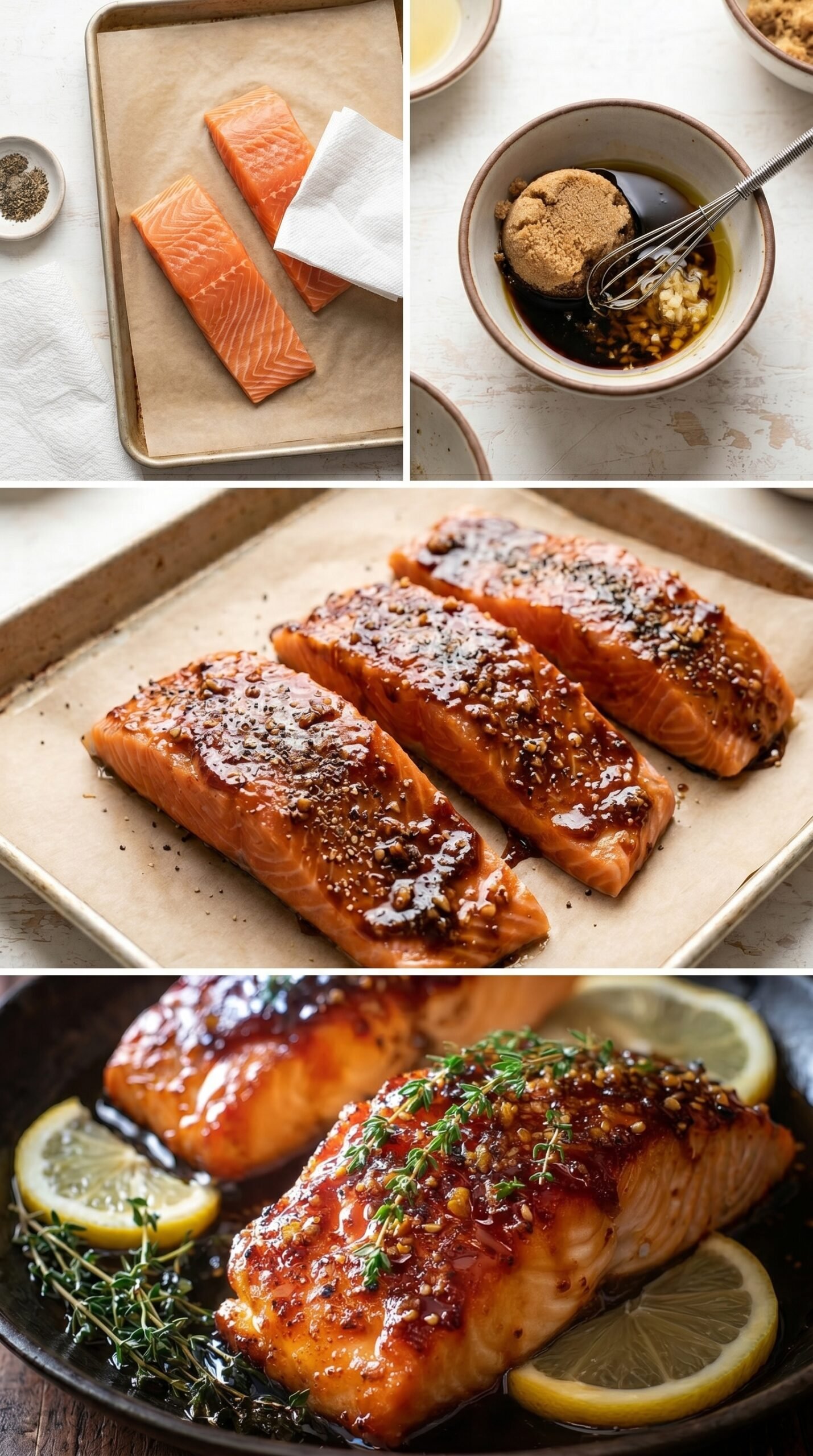
6) How to Make Brown Sugar Glazed Salmon: The Ultimate 20-Minute Meal
Step 1: Heat the oven to 400°F and line a baking sheet with parchment paper. The parchment helps with cleanup and keeps the sticky glaze from scorching directly onto the pan.
Step 2: Whisk the brown sugar, soy sauce, olive oil, and minced garlic until the glaze looks smooth and glossy. If you see dry sugar clumps, keep whisking so the glaze coats the salmon evenly.
Step 3: Pat the salmon fillets dry before placing them on the baking sheet. This is the step many cooks skip, but it is the difference between a glaze that clings and a glaze that runs off.
Step 4: Spoon the glaze over the salmon and sprinkle with black pepper. Try to cover the top of each fillet evenly, including the thicker center area where the fish needs the most seasoning.
Step 5: Bake for 12 to 15 minutes, depending on thickness. If you want extra color, broil for the last 1 to 2 minutes while watching carefully. Stop when the salmon flakes easily and the glaze looks shiny, not burnt.
Step 6: Rest the salmon for a few minutes before serving. The glaze thickens slightly as it sits, and the fish stays juicier when it is not cut immediately.
7) Recipe Card: Brown Sugar Glazed Salmon: The Ultimate 20-Minute Meal
Brown Sugar Glazed Salmon: The Ultimate 20-Minute Meal
Ingredients
- 2 salmon fillets (6 oz each), about 1-inch thick, patted dry so the glaze clings instead of sliding off
- 1/4 cup brown sugar, packed, for a glossy sweet glaze that caramelizes as the salmon bakes
- 2 tbsp soy sauce, low sodium recommended, to balance the sweetness with savory depth
- 1 tbsp olive oil, to help the glaze spread smoothly and keep the fish moist
- 2 cloves garlic, minced finely so the flavor disperses evenly across the glaze
- 1/4 tsp black pepper, freshly ground, for a light sharp finish against the sweet glaze
Instructions
- Preheat the oven to 400°F (200°C). Line a baking sheet with parchment paper so the sticky glaze does not scorch directly onto the pan.
- In a small bowl, whisk together the packed brown sugar, soy sauce, olive oil, and minced garlic until the sugar is mostly dissolved and the glaze looks glossy.
- Pat the salmon fillets dry with a paper towel, then place them on the prepared baking sheet with a little space between each piece for even heat circulation.
- Spoon the glaze evenly over the top of each salmon fillet, letting some settle along the sides. Sprinkle the fillets with freshly ground black pepper.
- Bake for 12-15 minutes, or until the salmon flakes easily with a fork and the center is moist and opaque. For a more caramelized top, broil for the last 1-2 minutes, watching closely because brown sugar can darken quickly.
- Let the salmon rest for a few minutes before serving so the juices settle and the glaze thickens slightly on the surface.
8) Tips for Making Brown Sugar Glazed Salmon: The Ultimate 20-Minute Meal
Use fillets close to the same size so the cooking time is predictable. A 1-inch-thick fillet usually lands in the 12 to 15 minute range, but thinner pieces can finish sooner. The safest cue is texture: the fish should separate into moist flakes with gentle pressure from a fork.
For a more even easy salmon glaze, whisk until the brown sugar is mostly dissolved before spooning it over the fish. A grainy glaze can still bake well, but dissolved sugar spreads more evenly and creates a smoother finish.
Keep the glaze mostly on top of the salmon instead of flooding the pan. Some glaze will naturally run down the sides, but a thick layer on top creates better color and flavor. If too much glaze pools around the fillets, the bottom edges may simmer instead of bake cleanly.
9) Common Mistakes & Fixes
Problem: The glaze slides off the salmon. Cause: The fish was too wet before baking. Fix: Pat the fillets dry with a paper towel before adding the glaze.
Problem: The top tastes bitter. Cause: The brown sugar was broiled too long or too close to the heat. Fix: Broil only at the end for 1 to 2 minutes and watch the salmon closely.
Problem: The salmon tastes overly sweet. Cause: The glaze did not have enough savory balance. Fix: Use the soy sauce and garlic fully, and avoid adding extra sugar to the glaze.
Problem: The salmon is dry. Cause: It baked too long after it was already cooked through. Fix: Check early, especially if the fillets are thinner than 1 inch.
10) How to Tell Brown Sugar Glazed Salmon Is Done
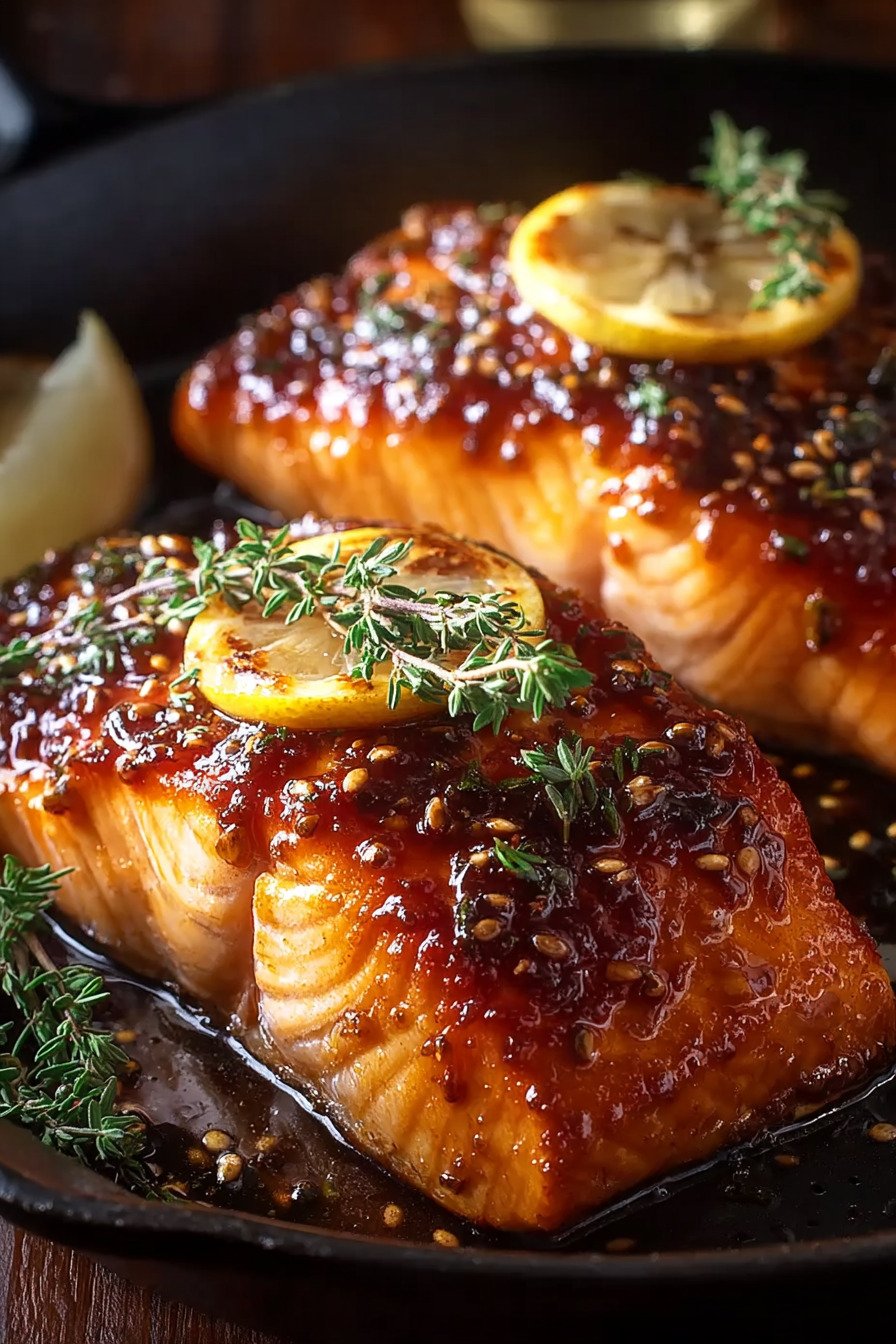
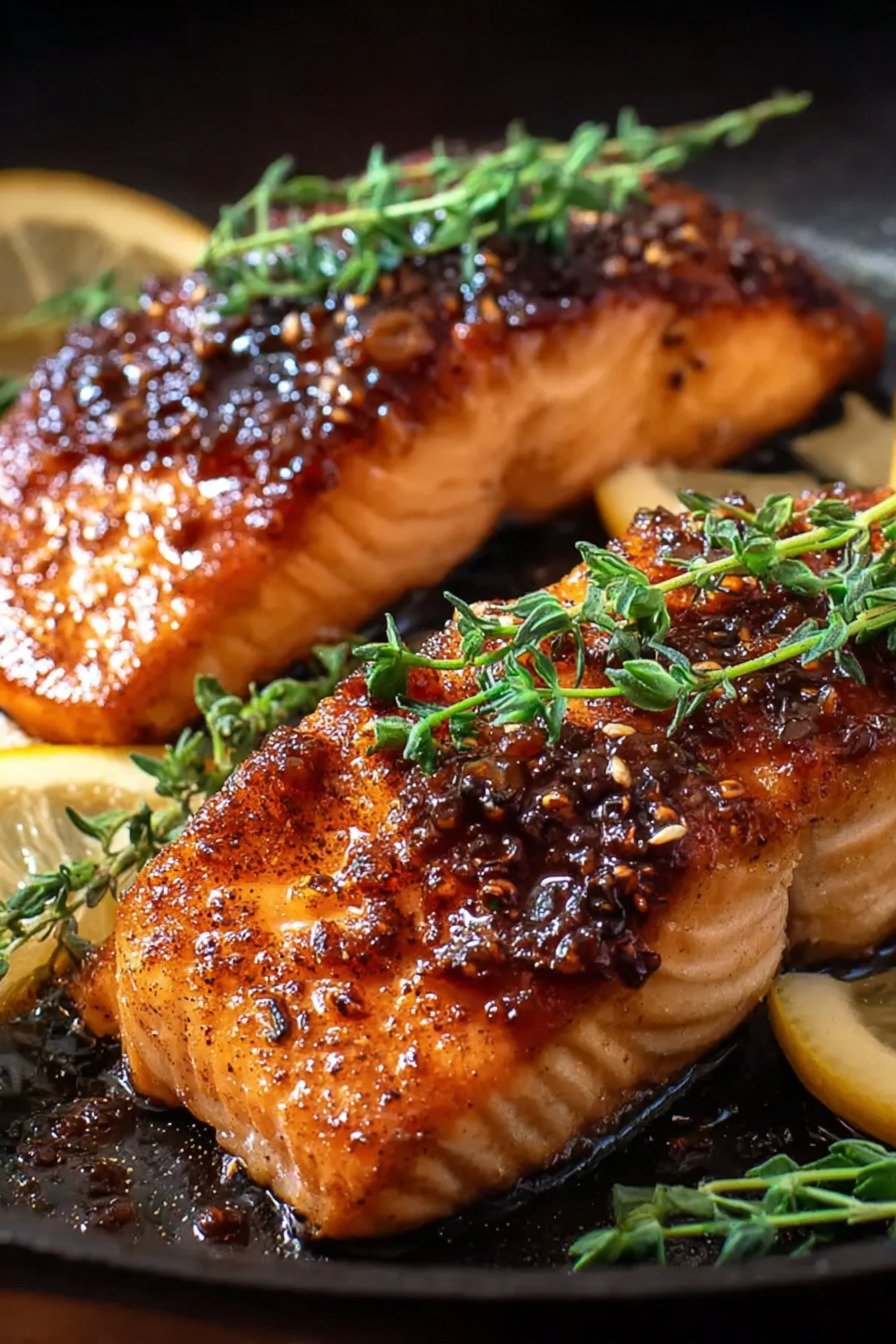
Brown sugar glazed salmon is done when the center looks opaque, the flesh separates into soft flakes, and the glaze has a glossy finish. The edges may look slightly caramelized, but they should not smell burnt or look blackened. The texture should be moist and tender, not tight, chalky, or rubbery.
The aroma is another useful signal. You should smell warm garlic, savory soy sauce, and caramelized brown sugar. If the smell turns sharp or bitter under the broiler, pull the salmon out immediately. A good fillet should feel delicate when pressed with a fork, with no raw-looking center and no dry white crust covering the surface.
11) Professional Secrets Behind Better Brown Sugar Glazed Salmon
The biggest professional-style trick is controlling surface moisture. Restaurants often dry proteins before searing or roasting because moisture blocks browning. The same idea helps this brown sugar glaze for salmon. A dry surface lets the glaze cling, reduce, and shine.
The second secret is restraint with high heat. A broiler can make the glaze look dramatic, but salmon is delicate. Use the oven to cook the fish and the broiler only to finish the surface. That sequence gives better texture than trying to force caramelization from the beginning.
The final detail is resting. Resting is not just for large roasts. Even a small salmon fillet benefits from a few minutes off the heat because the glaze settles and the fish relaxes slightly before serving.
12) Best Dishes or Pairings to Serve With Brown Sugar Glazed Salmon
Brown sugar glazed salmon pairs well with foods that balance sweetness. Steamed jasmine rice, coconut rice, roasted broccoli, sautéed green beans, cucumber salad, or a simple cabbage slaw all work well. The rice catches the glaze, while crisp vegetables keep the plate from feeling too rich.
For a lighter plate, serve the salmon over greens with sliced cucumber and avocado. For a warmer dinner, pair it with roasted sweet potatoes or garlic butter vegetables. If you want a meal-prep style bowl, add rice, salmon, steamed vegetables, and a spoonful of the pan glaze over the top.
13) Making Brown Sugar Glazed Salmon Ahead of Time
The glaze can be whisked a few hours ahead and kept covered in the refrigerator. Stir it again before using because the sugar may settle slightly. For the best texture, wait to spoon the glaze over the salmon until just before baking. Salmon cooks so quickly that baking it fresh gives a much better result than fully cooking it far in advance.
If you need to prep early, line the baking sheet, mince the garlic, measure the glaze ingredients, and portion the salmon. Keep everything chilled, then assemble right before the oven is ready.
14) Storing Leftover Brown Sugar Glazed Salmon
Store leftover brown sugar glazed salmon in an airtight container in the refrigerator for up to 2 days. Reheat it gently at a low oven temperature or in short microwave bursts at reduced power. High heat can dry the salmon and make the glaze too sticky.
Leftovers are excellent cold or room temperature over rice bowls, salads, or noodles. If the glaze firms up in the refrigerator, let the salmon sit for a few minutes before eating or warm it gently until the coating softens.
15) FAQ (Real Cooking Questions)
Can I use frozen salmon? Yes, but thaw it fully and pat it very dry before glazing. Extra moisture from thawed salmon can thin the glaze and prevent good caramelization.
Can I make this with skin-on salmon? Yes. Place the salmon skin-side down on the parchment-lined baking sheet. The glaze should go on the flesh side, where it can season and caramelize.
Can I use regular soy sauce? You can, but low sodium soy sauce gives better control. Regular soy sauce may make the brown sugar garlic salmon taste saltier once the glaze bakes down.
What if I do not want to broil it? Skip the broiler and bake until the salmon flakes easily. The glaze will still taste sweet and savory, though the top may be lighter in color.
Is this one of those salmon glaze recipes easy enough for beginners? Yes, because the method is simple and the visual cues are clear. The main things to remember are drying the fish, baking just until flaky, and broiling only briefly if you want more color.
16) Save This Brown Sugar Glazed Salmon Recipe
If this brown sugar glazed salmon helped you solve the problem of dry fish or a watery glaze, save it for a fast weeknight dinner. The key reminder is: dry the salmon first, bake gently, and broil only long enough to caramelize the top.
17) Conclusion
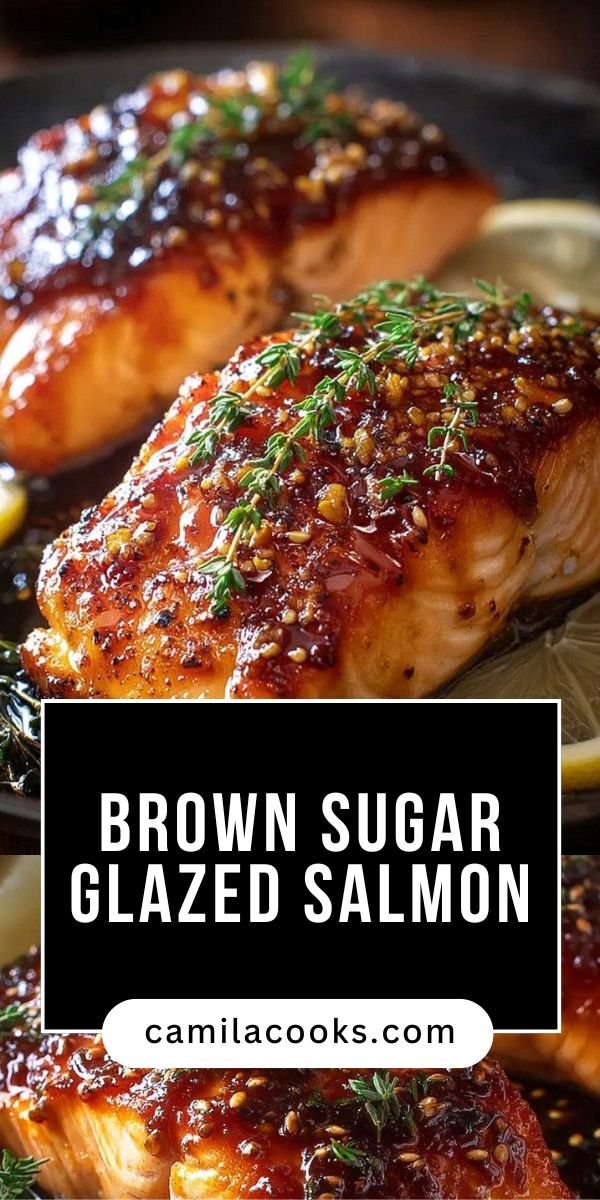
Brown sugar glazed salmon is simple, but the details decide whether it tastes balanced or rushed. Once you understand why the fish needs to be dry, why the glaze needs soy sauce and garlic, and why the broiler should be used carefully, the recipe becomes much more reliable. You get a tender fillet, a glossy savory-sweet finish, and a dinner that feels thoughtful without taking over the evening.
18) Nutrition
Serving Size 1 portion Calories 395 Sugar 27 g Sodium 690 mg Fat 18 g Saturated Fat 3 g Carbohydrates 28 g Fiber 0 g Protein 34 g Cholesterol 85 mg






Leave a Comment