

When I think of baked salmon recipes, I imagine a dish that’s both simple and elegant. This recipe for baked salmon fits perfectly into that picture. It doesn’t require a culinary degree or a ton of effort, just fresh salmon, a hot oven, and a few pantry basics. I’ve tried making frozen salmon recipes baked straight from the freezer, and guess what? It works just as well. No excuses about forgetting to thaw the fish in time. The oven does all the heavy lifting, leaving you free to sip wine or toss together a quick side. Among salmon recipes, this one stands out because it balances flavor with ease. Recipes salmon don’t have to be complicated to be delicious. Whether you call it recipe salmon or just your go-to baked recipes for weeknights, this one will soon be on repeat.

Table of Contents
- 1) Key Takeaways
- 2) Easy Baked Salmon Fillet Recipe
- 3) Ingredients for Baked Salmon Fillet
- 4) How to Make Baked Salmon Fillet
- 5) Tips for Making Baked Salmon Fillet
- 6) Making Baked Salmon Fillet Ahead of Time
- 7) Storing Leftover Baked Salmon Fillet
- 8) Try these Main Course next!
- 9) Baked Salmon Fillet
- 10) Nutrition
1) Key Takeaways
- This baked salmon recipe is quick, simple, and perfect for busy evenings.
- You can use fresh or frozen salmon fillets with equally tasty results.
- A few pantry staples like olive oil, garlic, and lemon bring big flavor.
- It makes a healthy, satisfying main dish that pairs well with many sides.
2) Easy Baked Salmon Fillet Recipe
I’ve made plenty of fish recipes, but baked salmon recipes will always have a special place in my kitchen. Why? Because they strike that balance between being healthy and downright delicious without demanding too much effort. When life gets busy, a recipe like this can save the evening. It’s fresh, light, and full of flavor that doesn’t require much more than an oven and a few simple ingredients.
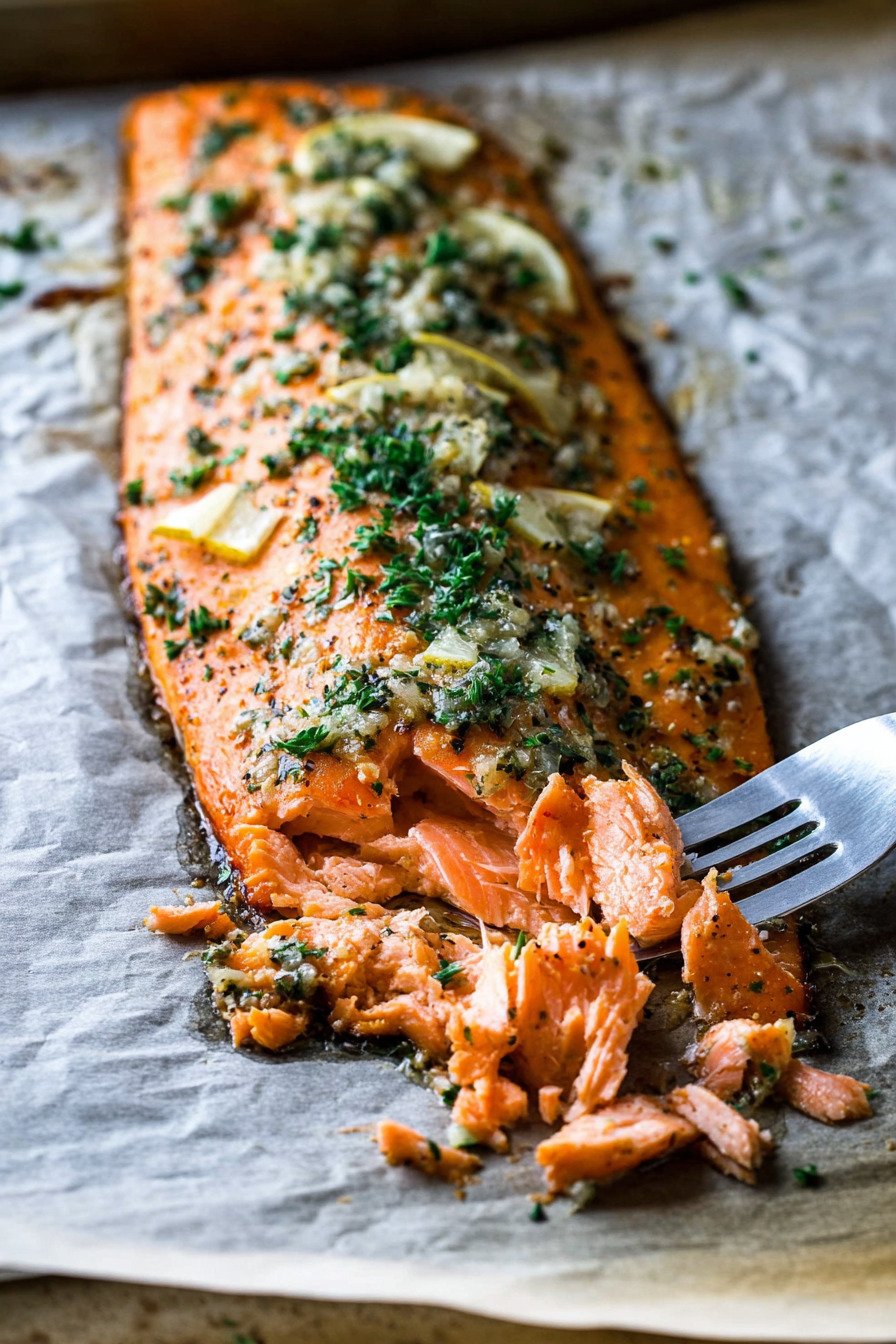
When I first started cooking salmon, I thought it would be tricky. The truth is, salmon is one of the friendliest fish you can cook. If you’re new to fish recipes or just looking for a foolproof weeknight meal, this one is going to feel like a secret you wish you had known earlier. The oven works quietly while you prepare the sides, leaving you with perfectly baked fillets that flake at the touch of a fork.
What makes this recipe so inviting is its flexibility. Frozen salmon recipes baked straight from the freezer work too, so no panic if you forgot to thaw it. That makes it a hero meal for nights when you’re short on time and patience. Add a squeeze of lemon, a sprinkle of herbs, and dinner is ready before you can ask “what’s for dinner?” again.
3) Ingredients for Baked Salmon Fillet
Salmon Fillets: Choose four fillets, each about six ounces. Fresh salmon works beautifully, but frozen salmon will surprise you with how well it turns out once baked.
Olive Oil: A couple of tablespoons are enough to keep the fish moist and lend a subtle richness. I like the way olive oil clings to the surface, locking in flavor as it cooks.
Garlic: Two cloves, minced finely, give the salmon just the right nudge of warmth and aroma. Garlic has that magic touch of comfort that always feels welcome.
Lemon: One lemon, thinly sliced, brightens everything. Lay slices across the top of the fish so the juice seeps in as it bakes, creating a light, zesty finish.
Salt and Black Pepper: Keep it simple. Just enough seasoning to highlight the salmon’s natural taste without covering it up.
Fresh Dill or Parsley: A final sprinkle of herbs makes the salmon look and taste fresh. It’s the finishing touch that feels like more than garnish.

4) How to Make Baked Salmon Fillet
Step 1. Preheat your oven to 400°F. Line a baking sheet with parchment paper. I always feel more relaxed when I know cleanup will be simple later.
Step 2. Place the salmon fillets on the prepared sheet, skin side down. This keeps the flesh tender and easy to handle when cooked.
Step 3. Drizzle the fillets with olive oil and rub the minced garlic evenly over them. At this point, the smell already feels comforting.
Step 4. Season with salt and pepper, then lay the lemon slices gently on top. They’ll release their juice slowly, mingling with the garlic and oil.
Step 5. Bake for 12 to 15 minutes. The salmon should flake apart with a fork but still look juicy in the center.
Step 6. Remove from the oven and scatter fresh dill or parsley over the top. The herbs add that touch of color and brightness right before serving.

5) Tips for Making Baked Salmon Fillet
Salmon isn’t fussy, but a few small habits make a difference. First, don’t overcook it. Pull it out when the center still looks slightly translucent, since it keeps cooking for a moment as it rests. That’s how you get tender fish instead of dry flakes.
If you want extra flavor, add a splash of white wine to the pan before baking. The steam that rises carries the aromas deep into the fish. It’s a tiny step that feels almost indulgent, but worth it. I like it when simple things deliver results that make people think you worked harder than you did.
Finally, play with herbs. Fresh thyme, rosemary, or even chives can change the mood of the dish. It’s one of the things I love about recipes salmon in general: a small tweak changes the character completely.
6) Making Baked Salmon Fillet Ahead of Time
Sometimes you want dinner to be waiting for you rather than the other way around. This salmon helps with that. Bake it earlier in the day, let it cool, and store it in the fridge. It warms gently in the oven or even tastes great cold on a salad.
I’ve even made it in the morning before a busy day and packed it for lunch. The flavors hold well, and the salmon stays moist when wrapped tightly. It’s one of those baked recipes that doesn’t lose its charm after the first meal.
If you do reheat, keep it low and slow. A warm oven at 300°F for 10 minutes usually brings it back to life without drying it out. A squeeze of fresh lemon right before serving makes it taste almost like it just came out of the oven.
7) Storing Leftover Baked Salmon Fillet
Leftovers are part of the plan with this recipe. Store cooked salmon in an airtight container and it’ll stay fresh in the fridge for up to three days. When you’re ready to eat, you have options. Cold salmon flakes into salads, sandwiches, or wraps beautifully.
If you’d rather warm it up, do it gently. The microwave works, but short bursts prevent the fish from becoming tough. I often prefer the oven method, which keeps the texture closer to the original bake. Leftover salmon makes the best quick meals on busy days.
Some people even enjoy salmon cold with a squeeze of lemon and a few crackers. There’s no wrong way to eat it as long as it still tastes good to you. That’s the charm of a recipe salmon like this—it’s flexible long after cooking.
8) Try these Main Course next!
9) Baked Salmon Fillet
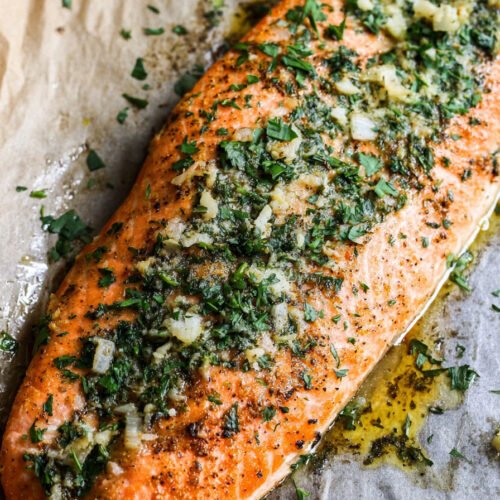
Baked Salmon Recipes You’ll Love for Dinner
Ingredients
- 4 salmon fillets (about 6 oz each)
- 2 tbsp olive oil
- 2 cloves garlic, minced
- 1 lemon, thinly sliced
- Salt and black pepper to taste
- Fresh dill or parsley for garnish
Instructions
- Preheat your oven to 400°F (200°C). Line a baking sheet with parchment paper.
- Place the salmon fillets skin-side down on the baking sheet.
- Drizzle olive oil over the fillets and rub in the minced garlic.
- Season with salt and black pepper. Lay lemon slices on top of each fillet.
- Bake for 12-15 minutes, or until the salmon flakes easily with a fork.
- Remove from the oven and garnish with fresh dill or parsley before serving.
10) Nutrition
Serving Size: 1 fillet, Calories: 285, Sugar: 0 g, Sodium: 68 mg, Fat: 18 g, Saturated Fat: 3 g, Carbohydrates: 2 g, Fiber: 0 g, Protein: 28 g, Cholesterol: 78 mg


Leave a Comment