
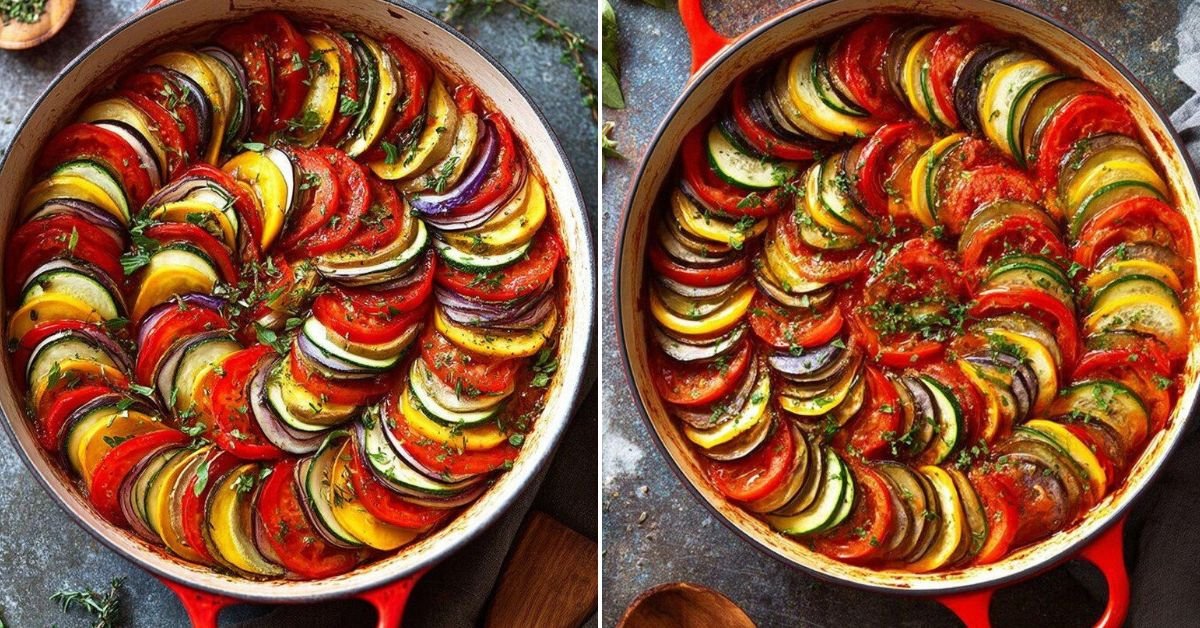
Ratatouille might sound fancy, but at its heart, it’s a warm hug in a dish. I’ve made it on quiet Sundays when the fridge is full of vegetables that need a purpose, and let me tell you, it never fails to impress. This classic French recipe has a way of making you feel like you’ve just slipped into a small café in Provence, even if you’re just standing in your own kitchen. The best part is that it’s an easy ratatouille recipe that looks far more complicated than it is. You’ll slice, layer, bake, and suddenly you’re staring at what might just be the best ratatouille recipe you’ve ever made. I love how the vegetables soften together, each keeping a bit of its own personality while still blending into one cozy bite. I’ve tried the baked ratatouille recipe that became famous on the big screen, and I get it—it feels like art. But here’s the thing: Italian ratatouille recipes have their charm too, more rustic, less fussy, and just as delicious. Either way, this fall ratatouille recipe is the kind of food that makes you want to linger at the table a little longer. And isn’t that the point?
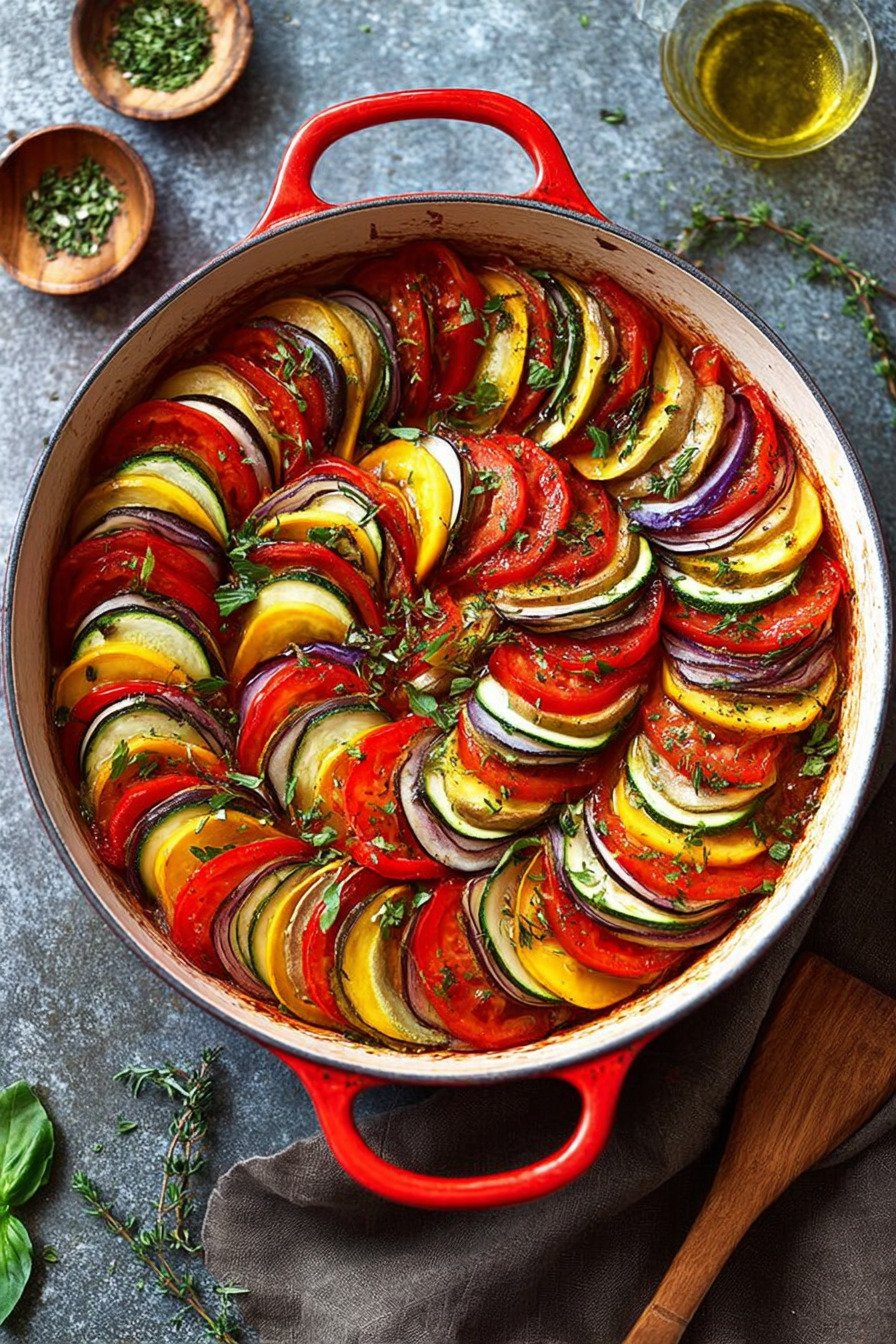
Table of Contents
- 1) Key Takeaways
- 2) Easy Classic French Ratatouille Recipe
- 3) Ingredients for Classic French Ratatouille
- 4) How to Make Classic French Ratatouille
- 5) Tips for Making Classic French Ratatouille
- 6) Making Classic French Ratatouille Ahead of Time
- 7) Storing Leftover Ratatouille
- 8) Try these appetizer recipes next!
- 9) Classic French Ratatouille
- 10) Nutrition
1) Key Takeaways
- Learn how to prepare a layered vegetable dish that’s both rustic and elegant.
- Find the right balance of herbs and vegetables without stressing over perfection.
- Understand how ratatouille fits into classic French recipes and appetizer recipes traditions.
- See why baked ratatouille recipes are loved for both flavor and presentation.
2) Easy Classic French Ratatouille Recipe
When I first tried making ratatouille, I was convinced it would be fussy. Then I discovered this easy ratatouille recipe. With simple vegetables and a splash of olive oil, the dish became a weeknight go-to. It feels French without demanding a plane ticket or a culinary degree. I think that’s the magic of it.
There’s a reason people call this the best ratatouille recipe. The vegetables come together without losing their own character. Each bite tells you zucchini is still zucchini, eggplant is still eggplant, and tomatoes keep the whole thing bright. That’s why this dish feels so honest.
When baked, the flavors deepen in a way you can’t rush. I often make this baked ratatouille recipe in the fall. The kitchen fills with a warm scent that makes me want to pour a glass of red wine and linger. It works as a side, yet it holds its own as part of appetizer recipes that bring people back for seconds.
3) Ingredients for Classic French Ratatouille
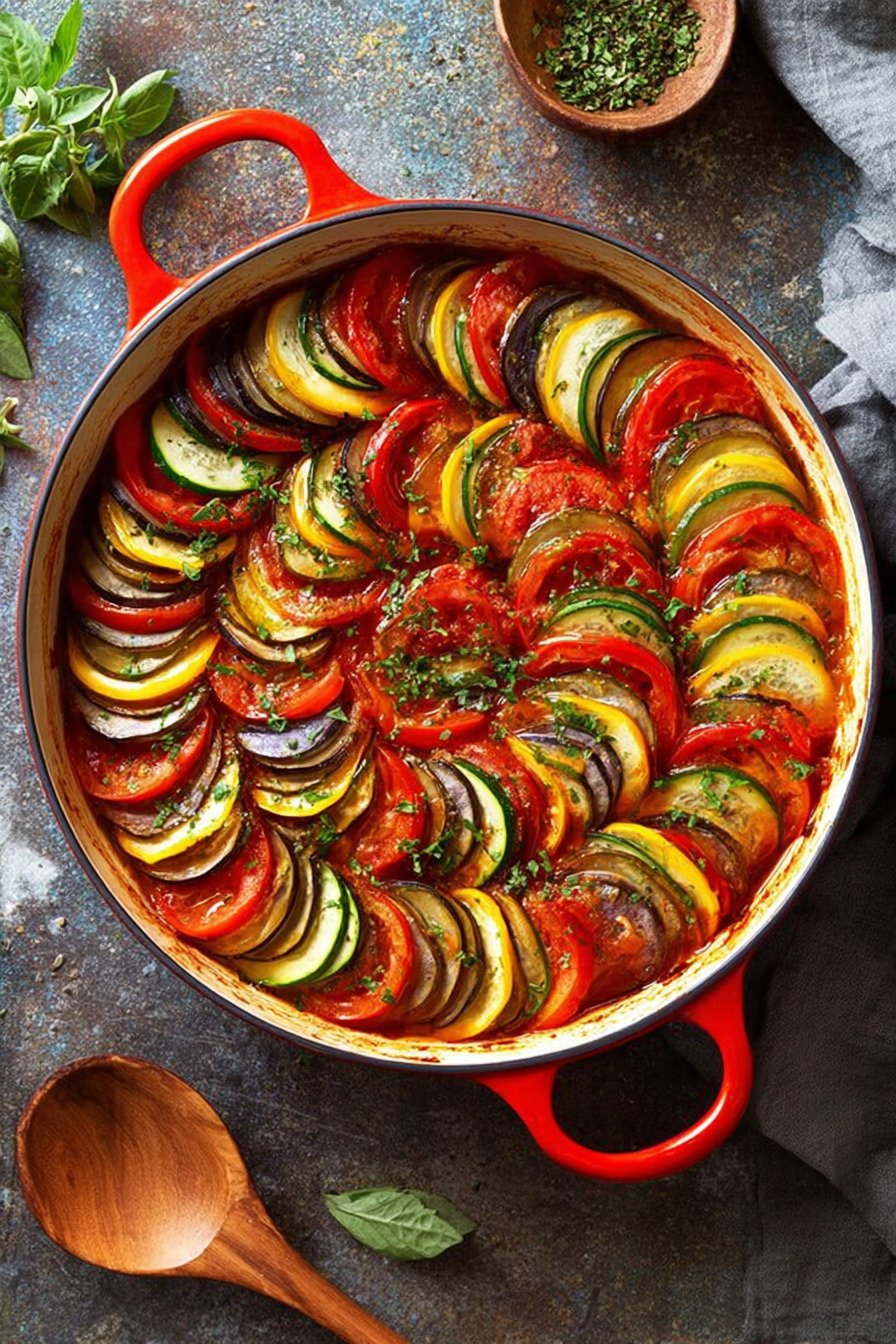
Eggplant: I slice it thin so it softens without turning mushy. Its mild taste soaks up garlic and herbs in a way that feels almost meaty.
Zucchini: Bright and slightly sweet, it adds freshness. I like to alternate zucchini slices with eggplant for balance in flavor and color.
Yellow Squash: It looks like zucchini’s cousin, and it adds sunshine to the pan. The tender flesh rounds out the dish.
Red Bell Pepper: Sweet with a little tang. It brings a pop of color that makes the ratatouille look inviting before the first bite.
Yellow Bell Pepper: Slightly milder than the red, it balances sweetness and adds variety to the spiral of vegetables.
Tomatoes: I use ripe, firm ones. Thin slices soften into the sauce yet hold shape long enough to stay distinct.
Olive Oil: A drizzle pulls the dish together. It helps vegetables roast evenly and brings out their natural flavors.
Garlic: Freshly minced cloves make the base rich and fragrant. Garlic transforms the simple sauce into something that feels like it simmered all day.
Onion: Chopped and sautéed until soft, onion sets the stage for the sauce. Its sweetness deepens as it cooks.
Crushed Tomatoes: These form the foundation. They add body and tang, making the sauce hearty enough to support layers above.
Thyme: Dried thyme is reliable and steady. It brings out the earthy side of the vegetables.
Basil: Dried basil works in the sauce while fresh basil leaves finish the dish, giving a burst of green aroma.
Salt and Pepper: A simple yet needed step. They tie everything together without stealing attention.
Fresh Basil Leaves: Scattered at the end, they brighten the dish and remind me of Italian ratatouille recipes too.
4) How to Make Classic French Ratatouille
Step 1. Heat your oven to 375°F. I like to preheat while I slice vegetables so the kitchen already feels warm.
Step 2. In a skillet, sauté onion and garlic in olive oil. The smell fills the kitchen before you’ve even added tomatoes.
Step 3. Add crushed tomatoes, thyme, basil, salt, and pepper. Let this simmer for about ten minutes. It thickens into a sauce that anchors the vegetables.
Step 4. Spread the sauce in a baking dish. This layer holds the spiral of vegetables and keeps them from drying out.
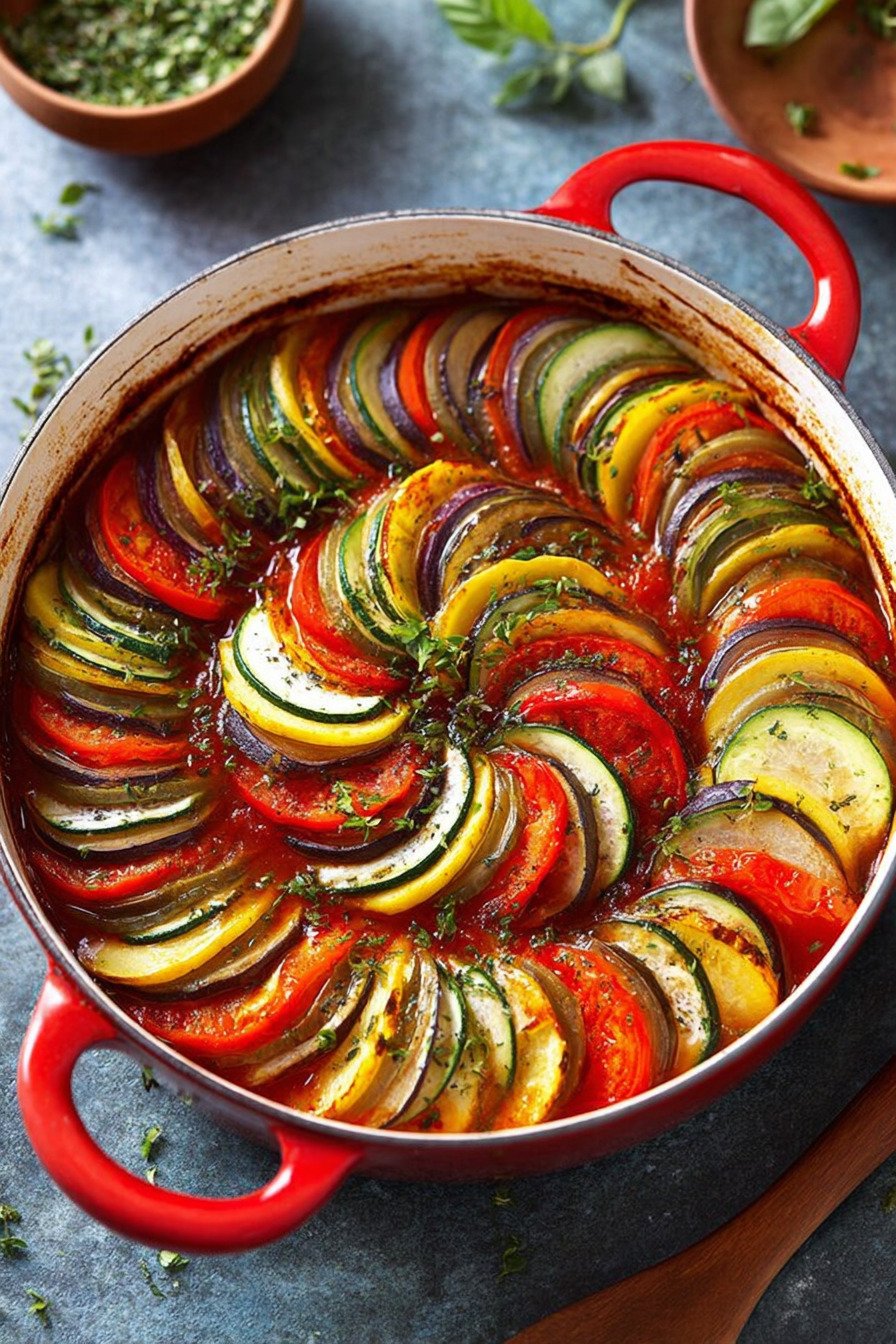
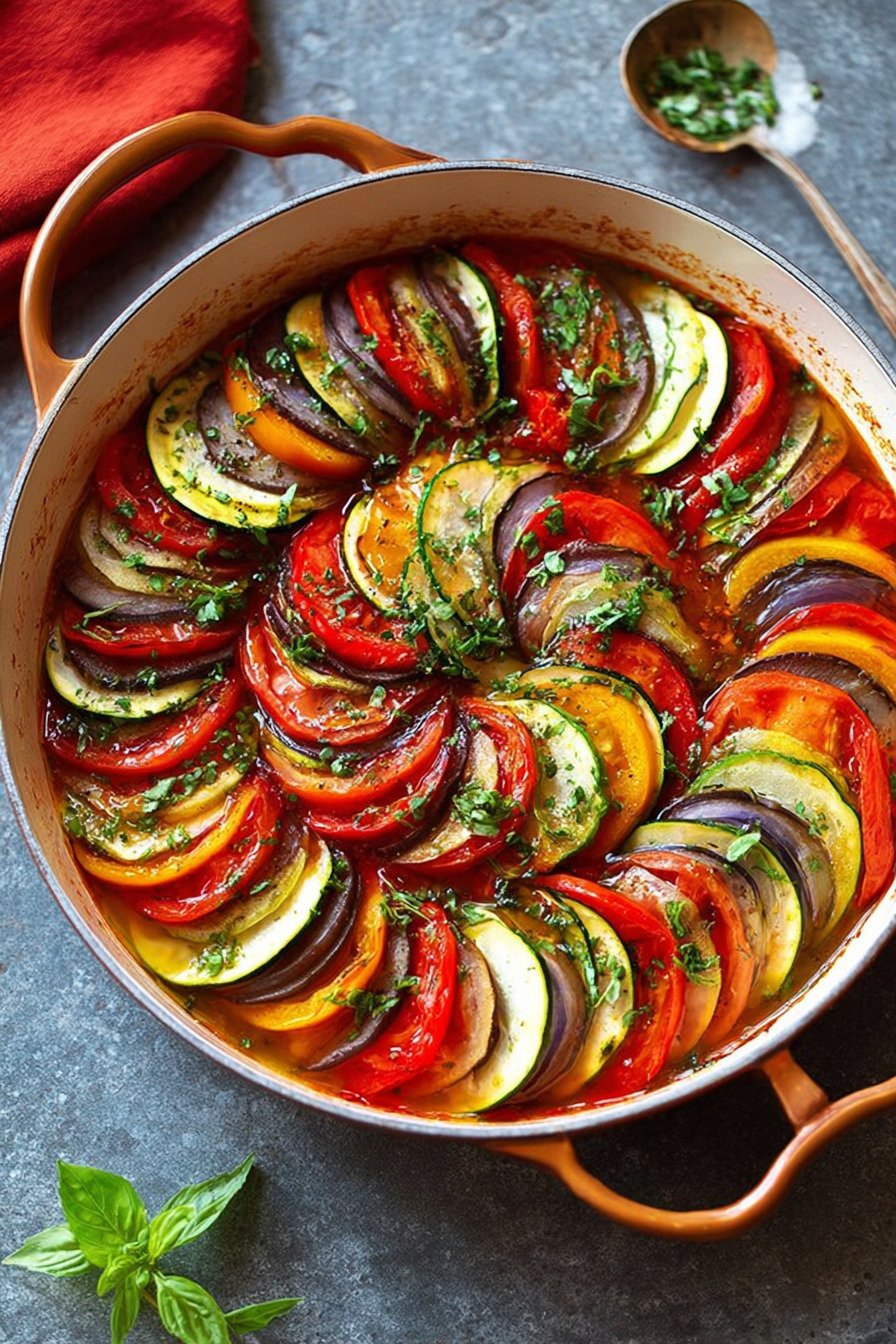
Step 5. Arrange vegetables in a spiral pattern. Overlap slices so each vegetable shares a bit of space with the next. It’s like a patchwork quilt of colors.
Step 6. Drizzle with olive oil before covering with foil. Bake for thirty minutes so the vegetables soften.
Step 7. Remove foil and bake another fifteen minutes. The edges darken just enough to add flavor.
Step 8. Finish with fresh basil leaves. Serve warm and see how fast it disappears.
5) Tips for Making Classic French Ratatouille
I’ve learned not to stress about perfect slices. Uniformity looks nice, but slightly uneven pieces still cook well. Focus more on flavor than precision.
Use fresh vegetables whenever possible. They carry more flavor, and the dish feels lighter. Frozen or older produce can make the dish watery.
Don’t be shy with herbs. If thyme and basil feel too gentle, I sometimes add a pinch of oregano. It leans toward Italian ratatouille recipes but still works beautifully.
Let it rest for a few minutes after baking. The flavors need that pause before serving. It’s like letting soup cool—it makes it taste better.
6) Making Classic French Ratatouille Ahead of Time
I often prepare ratatouille the night before. The flavors continue to develop as it rests, which makes reheating feel even more rewarding.
If you’re making this for a dinner party, assemble the dish early in the day. Keep it covered in the fridge and bake when guests arrive. The smell of roasting vegetables works better than any candle.
For appetizer recipes, I like to make smaller portions in ramekins. They reheat easily and look polished on the table. It makes the dish both personal and convenient.
7) Storing Leftover Ratatouille
Leftovers don’t last long in my house, but when they do, I keep them in an airtight container in the fridge. They stay good for about four days.
Warm them in the oven at a low temperature. It keeps the vegetables tender without turning them soggy. Microwaving works, but it can dull the flavors a bit.
I sometimes use leftover ratatouille as a topping for pasta or as filling for a sandwich. It gives new life to the dish without much effort.
8) Try these appetizer recipes next!
9) Classic French Ratatouille
Classic French Ratatouille Appetizer Recipes
Ingredients
- 1 eggplant, thinly sliced
- 1 zucchini, thinly sliced
- 1 yellow squash, thinly sliced
- 1 red bell pepper, thinly sliced
- 1 yellow bell pepper, thinly sliced
- 4 medium tomatoes, thinly sliced
- 2 tablespoons olive oil
- 2 cloves garlic, minced
- 1 onion, finely chopped
- 1 can (15 oz) crushed tomatoes
- 1 teaspoon dried thyme
- 1 teaspoon dried basil
- Salt and black pepper to taste
- Fresh basil leaves for garnish
Instructions
- Preheat oven to 375°F (190°C).
- In a skillet, heat 1 tablespoon of olive oil and sauté onion and garlic until softened.
- Add crushed tomatoes, thyme, basil, salt, and pepper. Let simmer for 10 minutes to create a base sauce.
- Spread the sauce evenly in the bottom of a baking dish.
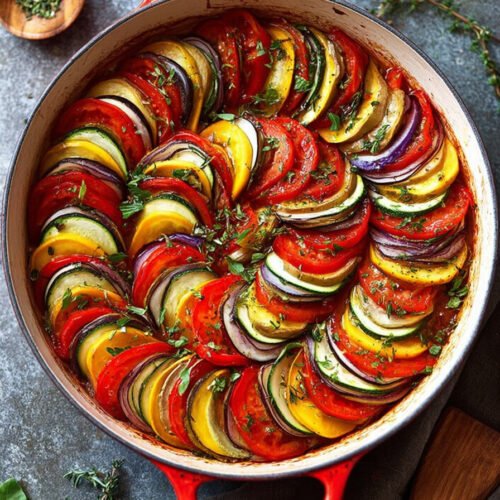
- Arrange the sliced vegetables on top in an overlapping spiral pattern.
- Drizzle the remaining olive oil over the vegetables.
- Cover with foil and bake for 30 minutes.
- Remove foil and bake for another 15 minutes until vegetables are tender.
- Garnish with fresh basil before serving.
10) Nutrition
Serving Size: 1 cup | Calories: 150 | Sugar: 7 g | Sodium: 320 mg | Fat: 9 g | Saturated Fat: 1.5 g | Carbohydrates: 16 g | Fiber: 5 g | Protein: 3 g





Leave a Comment