
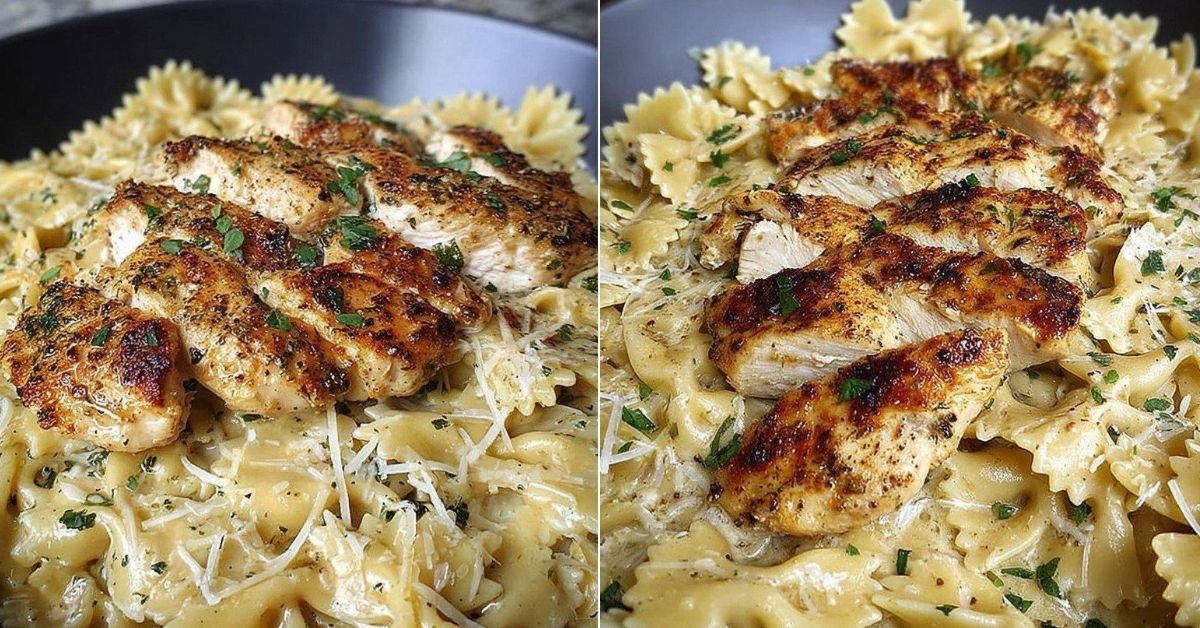
1) What I Learned Testing Creamy Garlic Parmesan Chicken Pasta
Dry chicken and a heavy, broken sauce can make pasta night feel like more work than comfort. I’m Camila, and my first test of creamy garlic parmesan chicken pasta taught me that rushing the chicken and boiling the cream too hard ruins the texture fast. After adjusting the chicken thickness, lowering the heat, and melting Parmesan slowly, I found the calm little trick: let the skillet do the flavor-building, not the rushing. This creamy garlic parmesan chicken pasta recipe became the kind of family dinner I reach for when I want something cozy, silky, and dependable.
Table of Contents
- 1) What I Learned Testing Creamy Garlic Parmesan Chicken Pasta
- 2) Key Takeaways
- 3) Easy Creamy Garlic Parmesan Chicken Pasta Recipe
- 4) Why Most Creamy Garlic Parmesan Chicken Pasta Recipes Fail
- 5) Ingredients for Creamy Garlic Parmesan Chicken Pasta
- 6) How to Make Creamy Garlic Parmesan Chicken Pasta
- 7) Recipe Card: Creamy Garlic Parmesan Chicken Pasta
- 8) Tips for Making Creamy Garlic Parmesan Chicken Pasta
- 9) Common Mistakes & Fixes
- 10) How to Tell Creamy Garlic Parmesan Chicken Pasta Has the Right Texture
- 11) Professional Secrets Behind Better Creamy Garlic Parmesan Chicken Pasta
- 12) Best Dishes or Pairings to Serve With Creamy Garlic Parmesan Chicken Pasta
- 13) Making Creamy Garlic Parmesan Chicken Pasta Ahead of Time
- 14) Storing Leftover Creamy Garlic Parmesan Chicken Pasta
- 15) FAQ (Real Cooking Questions)
- 16) Save This Creamy Garlic Parmesan Chicken Pasta Recipe
- 17) Conclusion
- 18) Nutrition
2) Key Takeaways
- Even chicken thickness matters: Lightly pounding the chicken helps it brown evenly without drying out before the center reaches 165°F.
- Al dente pasta protects the final texture: Gluten-free farfalle softens quickly, so it should be cooked firm before it meets the sauce.
- Gentle heat keeps the sauce creamy: Heavy cream and Parmesan need moderate heat, steady whisking, and patience to avoid graininess.
- The skillet flavor is the secret: The browned bits from the seasoned chicken give the sauce a deeper garlic Italian chicken flavor without adding extra steps.
3) Easy Creamy Garlic Parmesan Chicken Pasta Recipe
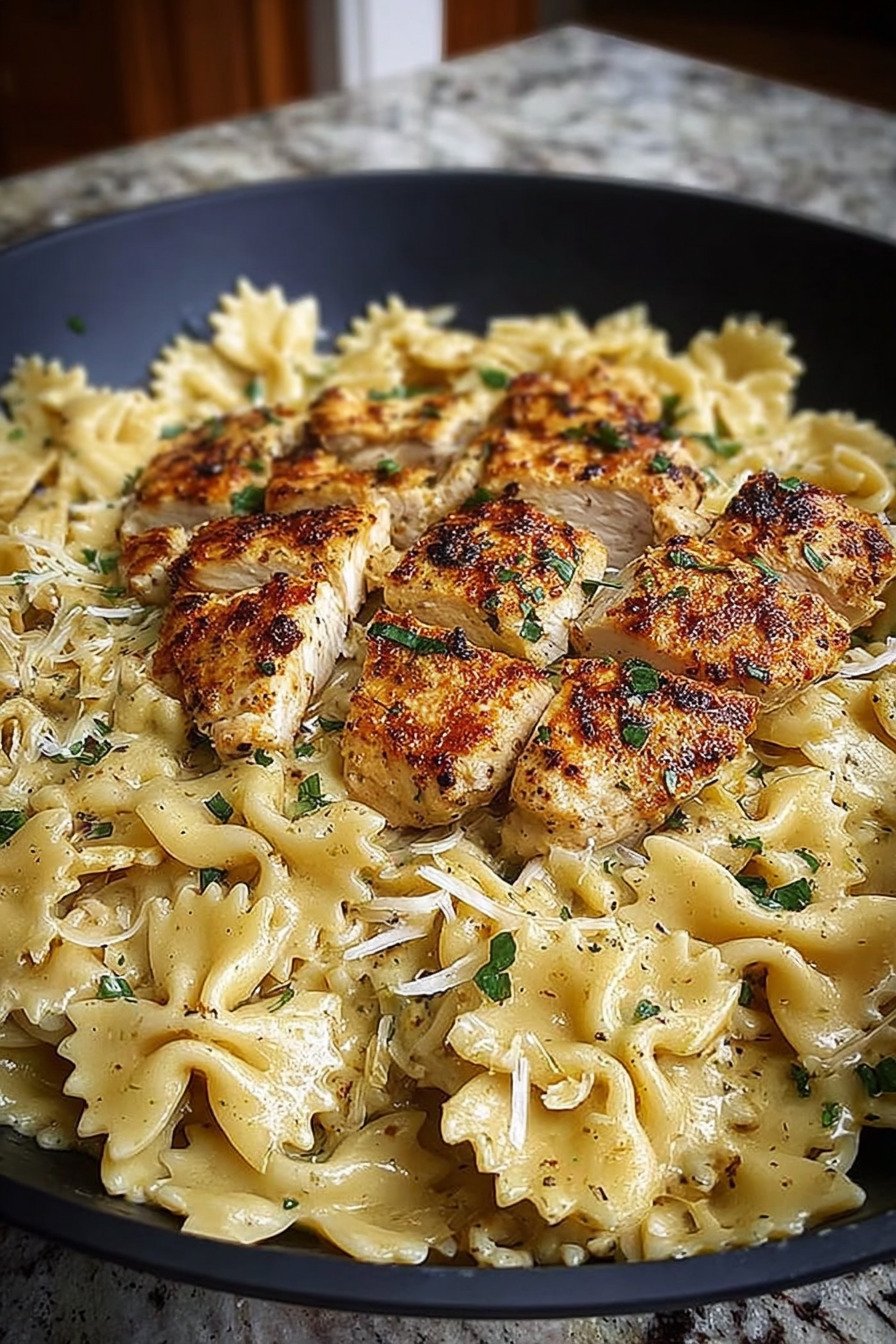
This creamy garlic parmesan chicken pasta works because it treats the chicken and sauce as one continuous build of flavor. The chicken is seasoned first, seared until golden, then finished gently so it stays juicy. That same skillet becomes the base of the sauce, which means the butter, cream, and Parmesan pick up the paprika, oregano, garlic, and browned chicken drippings left behind.
The goal is not just a creamy bowl of pasta. The goal is pasta that feels balanced: tender chicken, a sauce thick enough to coat farfalle, and enough savory seasoning to keep the richness from tasting flat. Since gluten-free pasta can become soft faster than wheat pasta, the al dente step matters more than it might seem. Pulling the pasta while it still has structure gives it room to absorb a little sauce without collapsing.
Among chicken recipes for pasta, this one depends on heat control more than complicated ingredients. The chicken needs medium heat for browning, the covered finish needs lower heat for tenderness, and the Parmesan sauce needs gentle heat so the cheese melts instead of clumping. Once you understand those three moments, the recipe becomes much more reliable.
4) Why Most Creamy Garlic Parmesan Chicken Pasta Recipes Fail
The first common failure is dry chicken. Chicken breast is lean, so thick pieces often brown outside while the middle still needs more time. That extra cooking time dries the edges. Lightly pounding the chicken helps the pieces cook evenly, and finishing them covered over lower heat keeps the texture more tender.
The second problem is a grainy Parmesan sauce. Parmesan does not behave like processed melting cheese. If the heat is too high or the cheese is dumped in all at once, it can seize into tiny clumps instead of melting smoothly. Adding shredded Parmesan gradually and whisking over moderate heat gives the sauce a better chance to turn glossy.
The third issue is overcooked pasta. Gluten-free farfalle can move from firm to fragile quickly, especially when it is tossed in a hot cream sauce. Cooking it only until al dente protects the shape and keeps the final dish from tasting heavy or mushy.
The fourth failure is flat flavor. Cream and cheese are rich, but richness alone is not depth. Paprika, oregano, garlic powder, Italian seasoning, and the browned skillet bits create the savory base that makes the sauce taste layered instead of plain.
The fifth problem is sauce that turns too thick after resting. Creamy pasta continues to absorb moisture once it sits. If that happens, a small splash of hot pasta water, broth, or cream can loosen the sauce without making it watery.
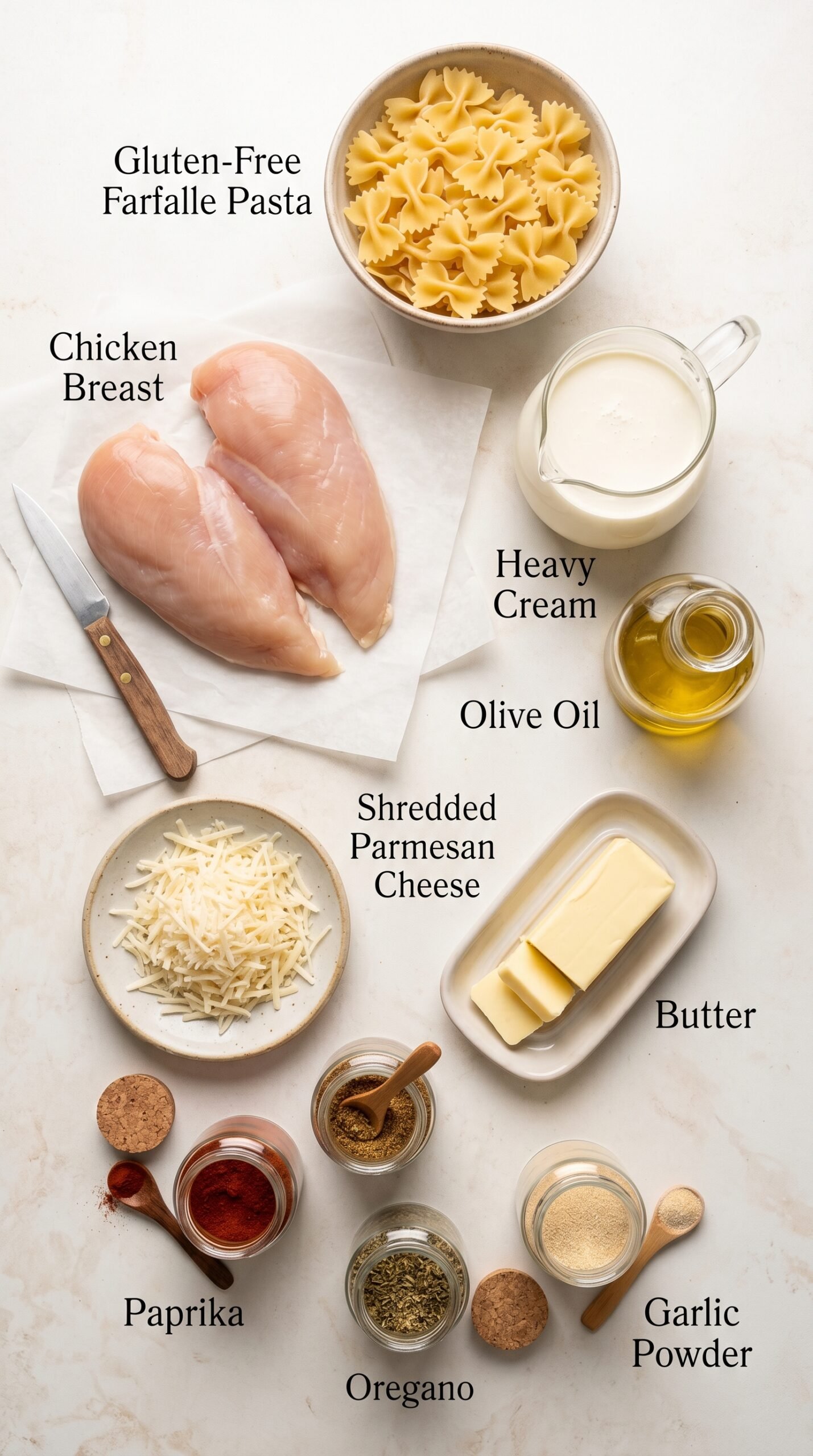
5) Ingredients for Creamy Garlic Parmesan Chicken Pasta
Olive oil: Olive oil is used at the start to sear the seasoned chicken. It helps the spices bloom against the heat and encourages a golden surface. If you replace it with a neutral oil, the sear still works, but the flavor will be a little less rounded.
Chicken breast: Chicken breast keeps the dish hearty without making the sauce greasy. Use it after lightly pounding so the pieces cook evenly. If the chicken is left too thick, the outside can dry before the center reaches a safe temperature.
Paprika: Paprika adds color and gentle warmth to the chicken seasoning. It is used before searing so the spice can toast lightly in the skillet. Skipping it will make the chicken look paler and taste less developed.
Oregano: Oregano gives the chicken an Italian-style herbal note that balances the heavy cream. It works best in the dry seasoning blend because it has time to warm against the chicken as it sears.
Garlic powder: Garlic powder spreads evenly over the chicken and also supports the sauce flavor. It gives a steady garlic background without the risk of fresh minced garlic burning too quickly in the skillet.
Gluten-free farfalle pasta: Farfalle catches sauce in its folds, which makes it a good shape for creamy pasta. Gluten-free pasta should be watched closely because it can soften fast. Cook it al dente so it holds up when tossed with the sauce.
Butter: Butter starts the sauce after the chicken is removed. It carries the seasoning left in the skillet and gives the cream sauce a softer, richer finish. If swapped for oil, the sauce will lose some of its rounded dairy flavor.
Heavy cream: Heavy cream is the body of the sauce. It should be added while whisking and kept below a hard boil. Lower-fat dairy can split more easily and may not coat the pasta as well.
Shredded Parmesan cheese: Parmesan thickens, seasons, and gives the sauce its nutty finish. Add it gradually so it melts into the cream instead of clumping. Freshly shredded Parmesan usually melts more smoothly than very dry pre-grated cheese.
- Chicken breast vs thicker cutlets: Evenly thinned chicken cooks more predictably and stays juicier than thick uneven pieces.
- Warm sauce vs boiling sauce: Moderate heat helps cream and Parmesan emulsify; boiling can make the sauce separate or turn grainy.
- Al dente pasta vs soft pasta: Firm pasta holds its shape and catches sauce, while overcooked gluten-free pasta can break apart.
- Gradual Parmesan vs all-at-once cheese: Adding cheese slowly creates a smoother sauce and prevents stubborn clumps.
6) How to Make Creamy Garlic Parmesan Chicken Pasta
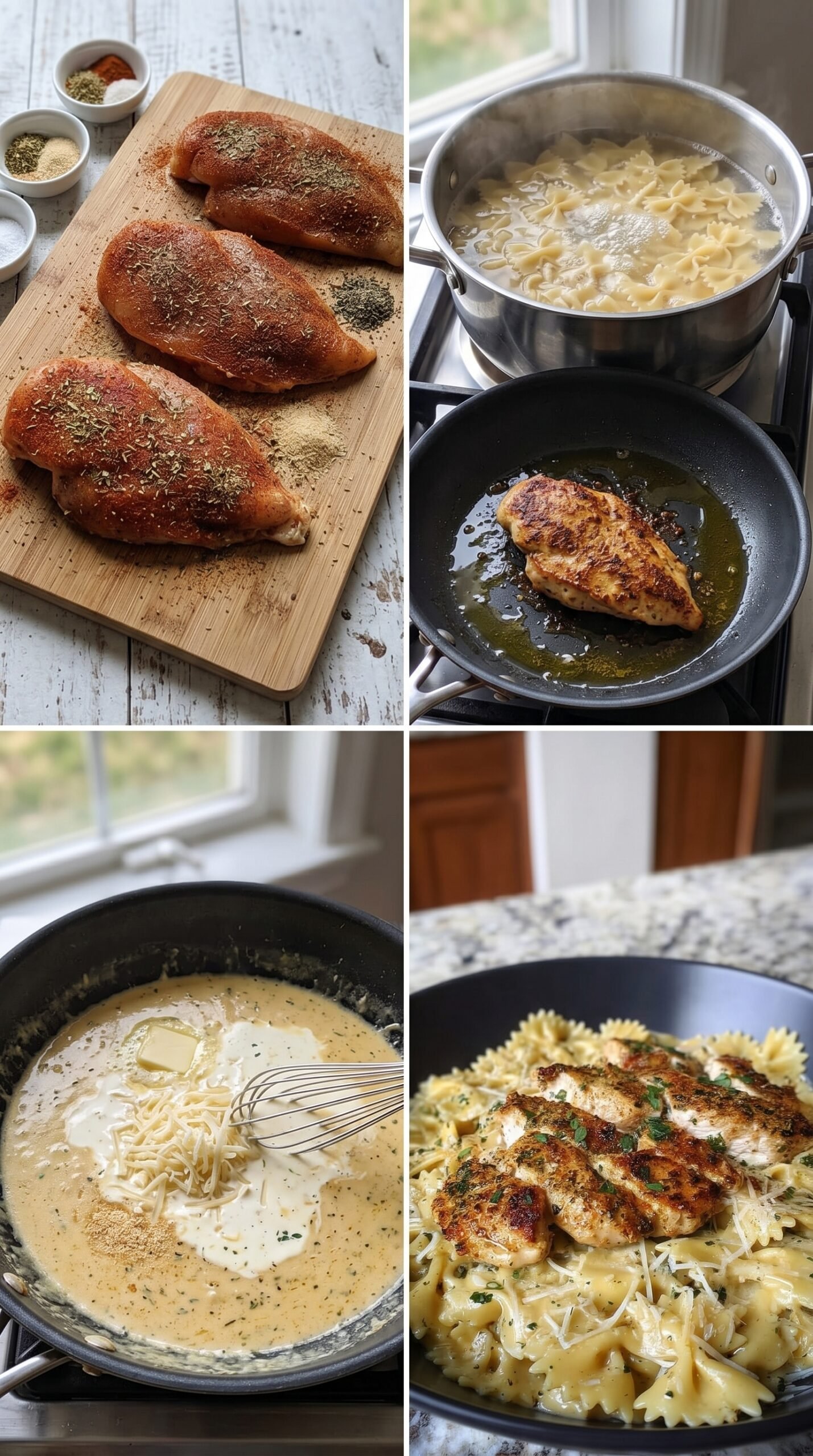
Step 1: Start by boiling a large pot of water and cooking the gluten-free farfalle until al dente. The pasta should feel tender but still structured, because it will be tossed with hot sauce later. Drain it well so extra water does not thin the cream sauce.
Step 2: Mix the paprika, oregano, garlic powder, thyme, salt, and black pepper in a small bowl. The seasoning should look evenly blended before it goes onto the chicken so every piece gets the same savory coating.
Step 3: Pound the chicken breasts slightly to make them more even. Season both sides, pressing the spices into the surface. This helps the chicken build a flavorful crust instead of leaving loose seasoning behind in the pan.
Step 4: Heat the olive oil in a skillet over medium heat and sear the chicken for about 5 minutes per side. Look for golden color and a surface that releases naturally from the skillet. If the chicken sticks hard, give it another minute before turning.
Step 5: Lower the heat, cover the skillet, and cook the chicken for 10 to 12 minutes more, until the thickest part reaches 165°F. Remove it from the skillet and let it rest while you build the sauce. Resting keeps the juices from running out when sliced.
Step 6: Melt the butter in the same skillet. Add the dry shallots, garlic powder, and Italian seasoning, then simmer for about 1 minute. Scrape gently so the browned chicken bits become part of the sauce base instead of staying stuck to the pan.
Step 7: Stir in the gluten-free flour to help thicken the sauce, then whisk in the chicken broth and heavy cream until smooth. Keep the heat controlled; the sauce should steam and thicken gently, not boil aggressively.
Step 8: Add the shredded Parmesan gradually, whisking until each addition melts before adding more. This is the key moment for a silky sauce. If it becomes too thick, loosen it with a small splash of hot liquid.
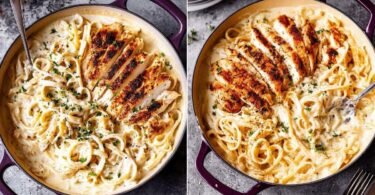
Step 9: Toss the cooked farfalle in the sauce until well coated. The sauce should cling to the pasta and look glossy rather than watery or stiff.
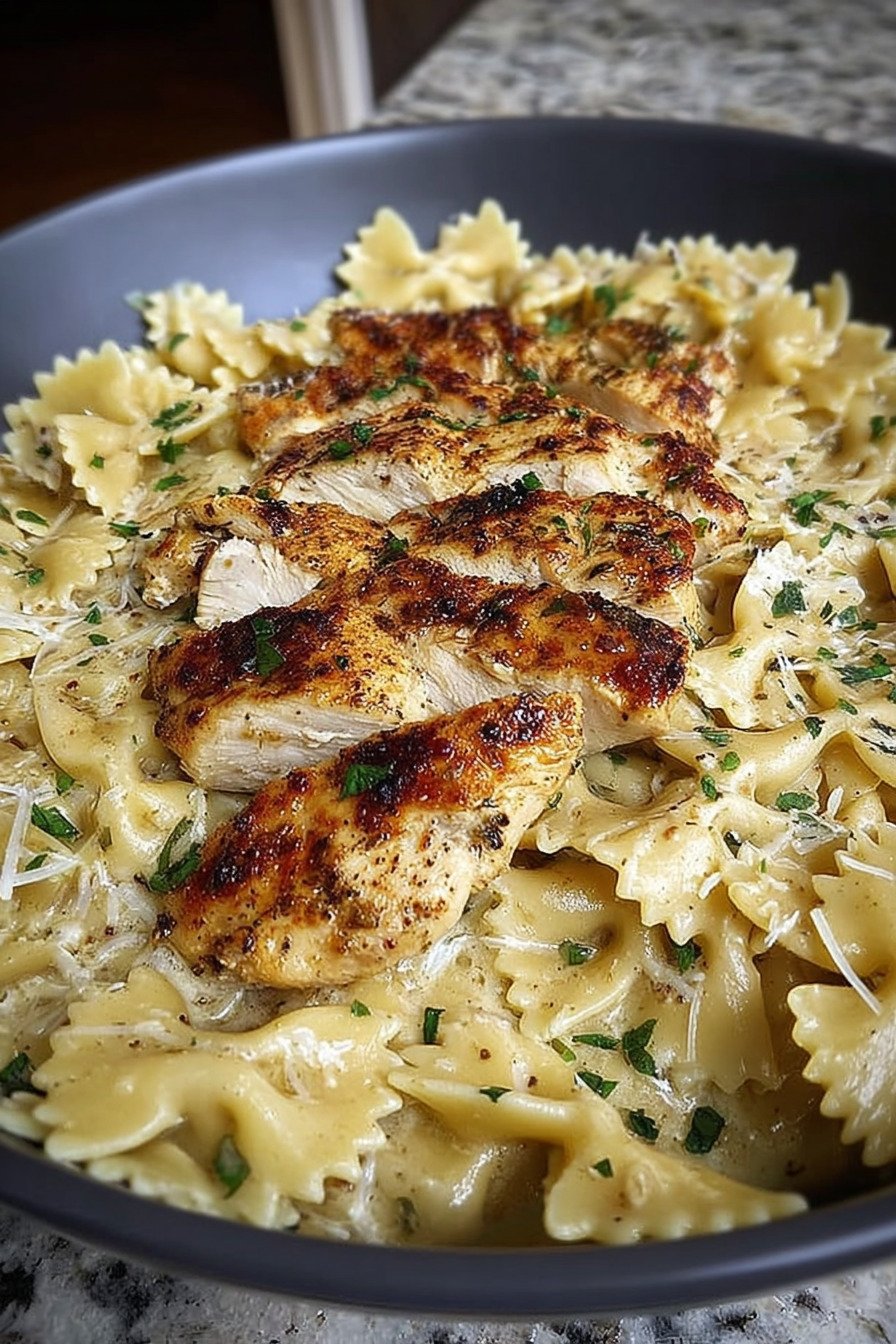
Step 10: Slice the rested chicken across the grain and place it over the pasta. Serve warm, while the chicken is juicy and the Parmesan sauce is still smooth.
7) Recipe Card: Creamy Garlic Parmesan Chicken Pasta
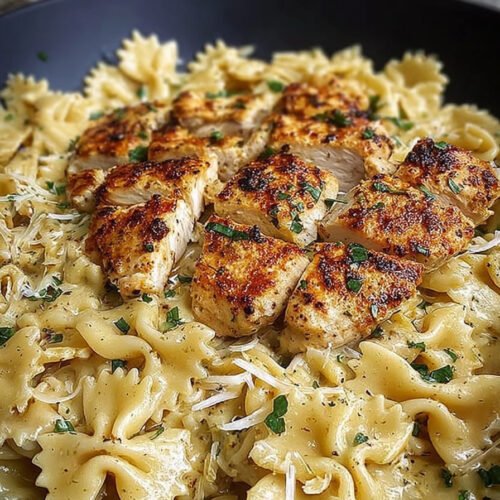
Creamy Garlic Parmesan Chicken Pasta
Ingredients
- 2 tbsp olive oil, for searing the seasoned chicken and building flavor in the skillet
- 1 1/2 lb chicken breast, lightly pounded so the pieces cook evenly and stay juicy
- 1 1/2 tsp paprika, for warm color and gentle smoky depth
- 1 1/2 tsp oregano, rubbed into the chicken for an herby Italian-style base
- 1 tsp garlic powder, divided naturally between the chicken seasoning and sauce flavor
- 12 oz gluten-free farfalle pasta, cooked just to al dente so it holds the creamy sauce
- 4 tbsp butter, melted in the skillet to start the rich Parmesan sauce
- 3 cups heavy cream, added slowly so the sauce stays smooth and creamy
- 12 oz shredded Parmesan cheese, stirred in gradually so it melts without clumping
Instructions
- Bring a large pot of salted water to a boil and cook the gluten-free farfalle according to the package directions until al dente. Drain well, keeping the pasta firm enough to finish in the sauce without turning soft.
- In a small bowl, combine the paprika, oregano, garlic powder, thyme, salt, and black pepper until evenly mixed. This seasoning blend should smell warm, savory, and herby before it touches the chicken.
- Pound the chicken breasts slightly to an even thickness, then season both sides with the spice mixture. Press the seasoning onto the surface so it forms a flavorful crust during searing.
- Heat the olive oil in a large skillet over medium heat. Sear the seasoned chicken breasts for about 5 minutes per side, until golden brown and easy to release from the pan.
- Reduce the heat, cover the skillet, and cook the chicken for 10 to 12 minutes more, or until the thickest part reaches 165°F. Transfer the chicken to a plate and let it rest so the juices settle before slicing.
- In the same skillet, melt the butter and add the dry shallots, garlic powder, and Italian seasoning. Simmer for about 1 minute, scraping up the browned bits until the mixture smells savory but not scorched.
- Stir in the gluten-free flour to thicken the sauce base, then gradually whisk in the chicken broth and heavy cream until smooth. Keep the heat moderate so the cream does not boil hard or split.
- Add the shredded Parmesan cheese a handful at a time, whisking after each addition until melted into a glossy sauce. If the sauce feels too thick, loosen it gently with a small splash of hot pasta water or broth.
- Add the cooked pasta to the skillet and toss until every piece is coated in the creamy Parmesan sauce. Let it sit over low heat for a minute so the sauce clings instead of pooling.
- Slice the rested chicken across the grain and place it over the pasta. Serve warm while the sauce is creamy, the chicken is juicy, and the Parmesan flavor is still fresh.
8) Tips for Making Creamy Garlic Parmesan Chicken Pasta
The biggest tip is to control the heat in stages. Medium heat is useful for searing chicken because it builds color, but that same heat can be too aggressive for cream and Parmesan. Once the sauce begins, think gentle and steady. The cream should thicken slowly, and the cheese should melt gradually.
Do not skip the resting time for the chicken. Even five minutes makes slicing cleaner and keeps the meat more tender. If you slice it straight from the skillet, the juices escape quickly, and the chicken can taste dry even if it was cooked correctly.
Watch the pasta closely. Gluten-free farfalle can vary by brand, so package timing is a guide, not a promise. Taste a piece near the lower end of the cooking time. It should have a slight bite because creamy sauce will soften it more.
For smoother parmasean pasta recipes, the cheese matters. The common misspelling does not change the cooking rule: Parmesan melts best when shredded finely and added slowly. If the cheese is very dry, reduce the heat and whisk longer before adding more.
9) Common Mistakes & Fixes
Problem: The chicken tastes dry. Cause: The pieces were too thick or cooked too hard after searing. Fix: Pound the chicken evenly, sear for color, then finish covered over lower heat until it reaches 165°F.
Problem: The sauce turns grainy. Cause: The cream boiled too hard or the Parmesan was added too quickly. Fix: Lower the heat and add the cheese in small handfuls, whisking until smooth between additions.
Problem: The pasta breaks or feels mushy. Cause: Gluten-free pasta was cooked too long before being tossed with the sauce. Fix: Stop at al dente and drain well before adding it to the skillet.
Problem: The sauce feels too thick after sitting. Cause: Pasta keeps absorbing liquid as it rests. Fix: Stir in a small splash of hot broth, cream, or pasta water until the sauce becomes glossy again.
Problem: The flavor tastes flat. Cause: The skillet drippings were not incorporated, or the seasoning was too light. Fix: Scrape the browned bits into the butter and cream base, then adjust seasoning at the end.
10) How to Tell Creamy Garlic Parmesan Chicken Pasta Has the Right Texture
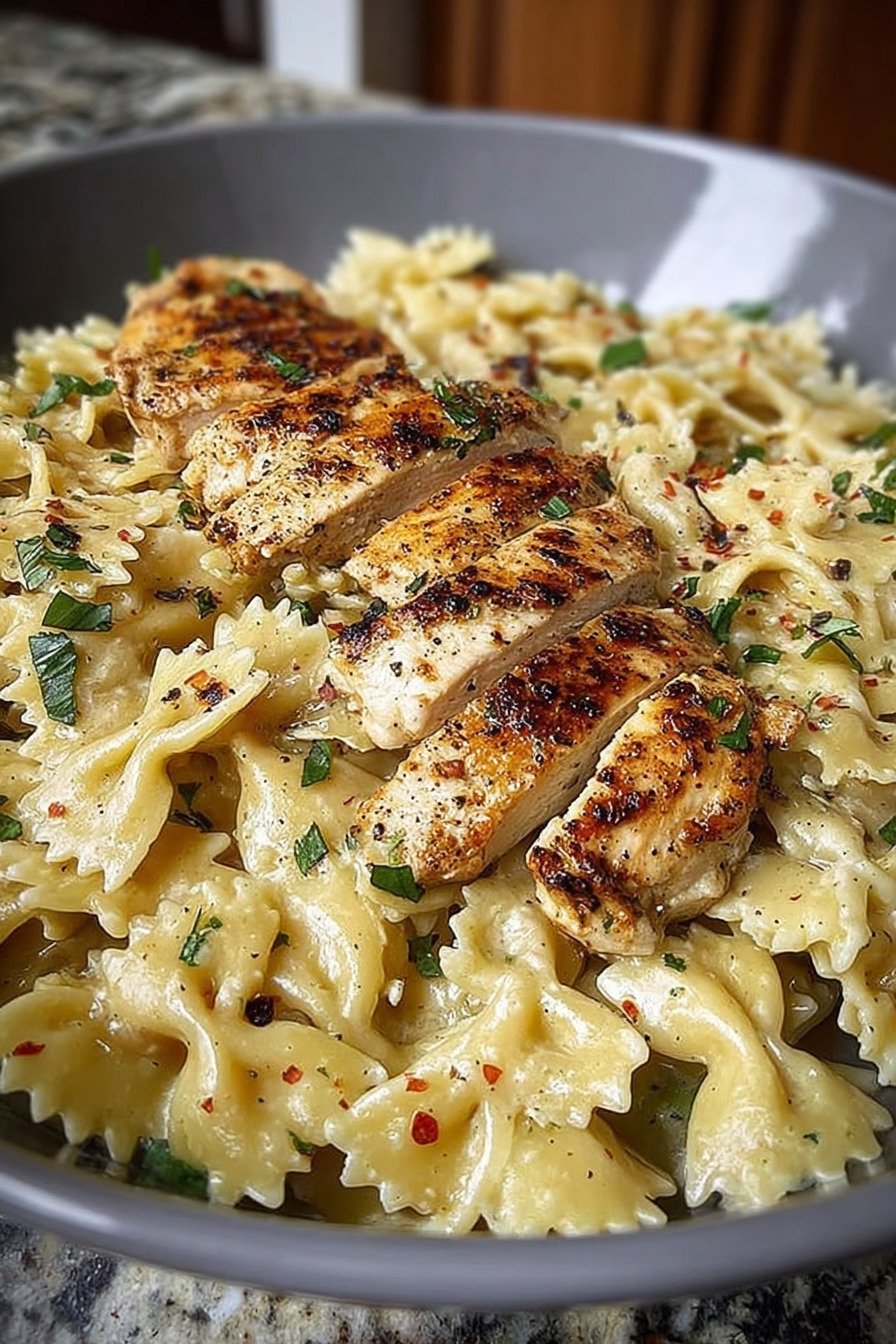
The sauce should look glossy and creamy, not oily, grainy, or watery. When you drag a spoon through the skillet, the sauce should briefly leave a soft trail before settling back around the pasta. It should coat the farfalle instead of sliding off into a puddle.
The chicken should be golden outside and juicy inside. When sliced, it should look moist, with no rubbery bounce or dry, chalky edges. The aroma should be savory and warm from garlic, oregano, paprika, butter, and Parmesan.
The pasta should hold its bow-tie shape and offer a gentle bite. If the pasta collapses, breaks apart, or absorbs the sauce until the dish looks pasty, it likely cooked too long. If the sauce stretches in a sticky way or looks separated, the heat was probably too high when the cheese went in.
11) Professional Secrets Behind Better Creamy Garlic Parmesan Chicken Pasta
One professional habit that helps this dish is building flavor in the same pan. Instead of treating the chicken and sauce as separate parts, the browned chicken residue becomes part of the cream sauce. That is where much of the deeper garlic Italian chicken flavor comes from.
Another useful technique is controlling the thickness with heat, not just ingredients. Heavy cream thickens as it simmers, Parmesan thickens as it melts, and pasta thickens the sauce as it absorbs moisture. Because all three are working at once, the sauce can go from loose to heavy quickly. Stop slightly before it looks fully thick, because it will continue to tighten after the pasta is added.
Finally, slice the chicken after resting and place it on top instead of stirring it aggressively into the pasta. This keeps the slices clean, protects their juiciness, and gives the dish a better contrast between creamy pasta and seasoned chicken.
12) Best Dishes or Pairings to Serve With Creamy Garlic Parmesan Chicken Pasta
This dish is rich, creamy, and savory, so it pairs best with sides that bring freshness, crunch, or acidity. A crisp green salad with lemony dressing cuts through the cream and keeps the meal from feeling too heavy. Roasted broccoli, asparagus, or green beans also work well because their slightly bitter edges balance the Parmesan sauce.
For a cozy dinner, serve it with garlic bread or toasted gluten-free bread so none of the sauce goes to waste. If you want a lighter plate, add sliced tomatoes, cucumber salad, or a simple arugula side. The contrast makes the pasta feel more complete without competing with the chicken.
For family approved dinners, keep the sides simple and let the pasta carry the meal. A bowl of warm creamy pasta with juicy chicken does not need much decoration; it just needs a bright side and enough room on the plate for the sauce.


13) Making Creamy Garlic Parmesan Chicken Pasta Ahead of Time
The best make-ahead strategy is to prepare components instead of fully combining everything too early. You can season the chicken ahead and keep it covered in the refrigerator until cooking. You can also shred the Parmesan and measure the sauce ingredients so the skillet stage moves smoothly.
If you need to cook ahead, keep the pasta slightly firmer than usual and store the sauce separately when possible. Creamy pasta thickens as it sits, and gluten-free pasta can soften more during storage. Reheat gently over low heat and add a splash of cream, broth, or hot pasta water to restore the sauce.
Avoid making the sauce too far in advance at high heat. Parmesan sauces are most stable when reheated slowly. If the sauce looks tight after chilling, do not panic; loosen it gradually while stirring instead of turning the burner up high.
14) Storing Leftover Creamy Garlic Parmesan Chicken Pasta
Store leftovers in an airtight container in the refrigerator for up to 3 days. The sauce will thicken as it cools because the pasta absorbs moisture and the butter, cream, and cheese firm up. That texture change is normal.
To reheat, use low heat on the stovetop or short microwave intervals, stirring between each one. Add a small splash of cream, broth, milk, or pasta water to bring back the creamy consistency. Avoid overheating, because high heat can make the chicken tougher and the sauce more likely to separate.
Freezing is not ideal for this dish. Cream-based Parmesan sauces can turn grainy after thawing, and gluten-free pasta may become fragile. If you do freeze it, thaw overnight in the refrigerator and reheat gently with added liquid, knowing the texture may be softer than freshly made.
15) FAQ (Real Cooking Questions)
Can I use regular pasta instead of gluten-free farfalle? Yes. The method stays the same, but cooking time may change. Cook the pasta until al dente, then toss it with the sauce just long enough to coat it.
Why did my Parmesan sauce get grainy? The heat was likely too high, or the cheese was added too quickly. Lower the heat, add Parmesan in small amounts, and whisk until each addition melts before adding more.
Can I use chicken thighs instead of chicken breast? Yes, though the flavor and cooking time will change. Thighs are more forgiving because they contain more fat, but they should still be cooked to a safe internal temperature.
What makes this different from other chicken n pasta recipes? The chicken is seasoned and browned first, then the sauce is built in the same skillet. That gives the cream and Parmesan more savory depth than a sauce made separately.
Can I make the sauce thinner? Yes. Add a small splash of warm broth, cream, or pasta water and stir until the sauce loosens. Add liquid gradually so it stays creamy instead of turning watery.
16) Save This Creamy Garlic Parmesan Chicken Pasta Recipe
If this Creamy Garlic Parmesan Chicken Pasta helped you solve dry chicken or grainy sauce, save it for your next cozy pasta night. The key reminder is: brown the chicken first, lower the heat for the cream, and melt the Parmesan slowly.
17) Conclusion
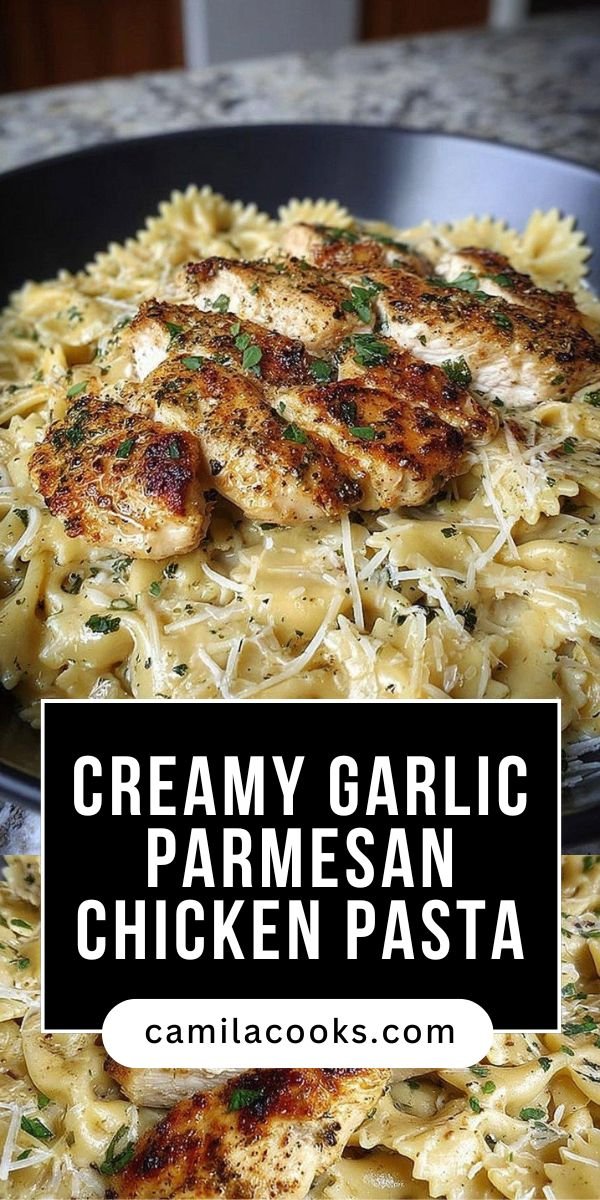
Creamy pasta can seem simple until the chicken dries out, the sauce breaks, or the noodles turn too soft. Once you understand the checkpoints, this dish becomes much easier to trust. Pound the chicken evenly, cook the pasta just to al dente, build the sauce in the same skillet, and treat Parmesan gently. Those small choices turn a basic cream sauce into a smooth, savory dinner with real texture and balance.
The beauty of creamy garlic parmesan chicken pasta is that it feels comforting without needing complicated technique. The method is practical, the ingredients are familiar, and the results depend on paying attention at the right moments. When the sauce clings, the chicken slices cleanly, and the pasta still has bite, you know you have the kind of dinner worth making again.
18) Nutrition
Serving Size 1 portion Calories 780 Sugar 3 g Sodium 760 mg Fat 52 g Saturated Fat 31 g Carbohydrates 41 g Fiber 2 g Protein 42 g Cholesterol 215 mg

Leave a Comment