
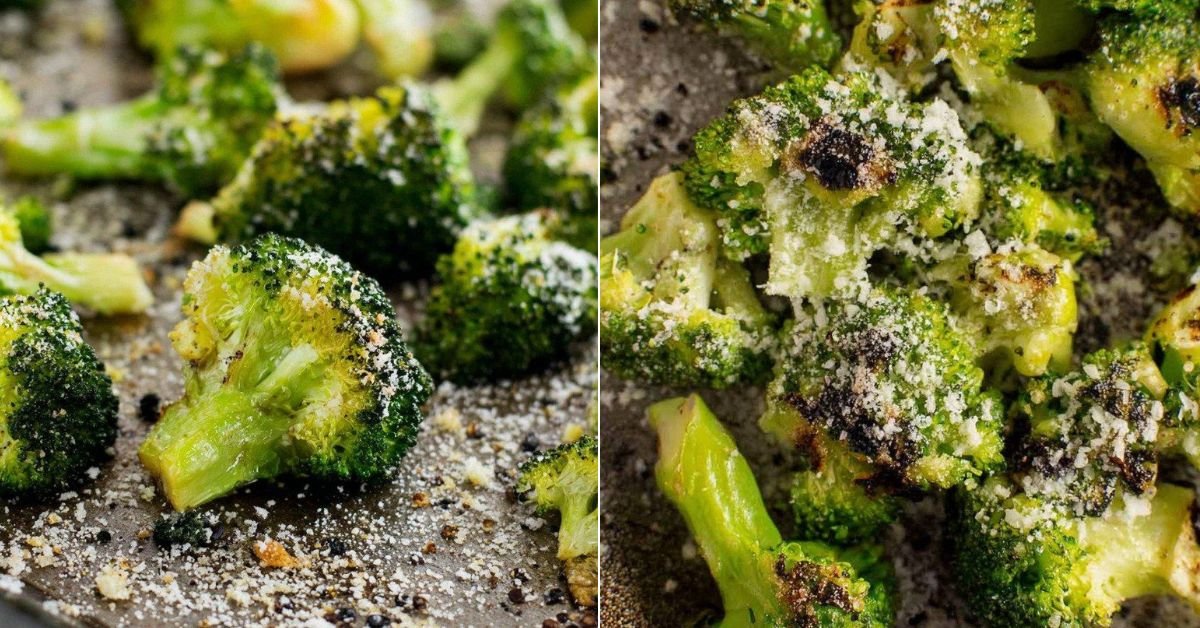
1) What I Learned Testing Roasted Frozen Broccoli
Frozen broccoli can go from promising to soggy in one sad sheet pan, and I have absolutely made that mistake. I’m Camila, and after a few limp batches, I started testing heat, spacing, and whether thawing was secretly ruining everything. The discovery was simple but game-changing: roasted frozen broccoli needs to go straight from the freezer onto a hot pan, no thawing allowed. Once I stopped treating it like fresh broccoli, this frozen broccoli recipe finally gave me crisp edges, savory seasoning, and the kind of calm dinner relief I want on a busy night.
Table of Contents
- 1) What I Learned Testing Roasted Frozen Broccoli
- 2) Key Takeaways
- 3) Easy Roasted Frozen Broccoli Recipe
- 4) Why Most Roasted Frozen Broccoli Recipes Fail
- 5) Ingredients for Roasted Frozen Broccoli
- 6) How to Make Roasted Frozen Broccoli
- 7) Recipe Card: Roasted Frozen Broccoli
- 8) Tips for Making Roasted Frozen Broccoli
- 9) Common Mistakes & Fixes
- 10) How to Tell Roasted Frozen Broccoli Is Perfect
- 11) Professional Secrets Behind Better Roasted Frozen Broccoli
- 12) Best Dishes or Pairings to Serve With Roasted Frozen Broccoli
- 13) Making Roasted Frozen Broccoli Ahead of Time
- 14) Storing Leftover Roasted Frozen Broccoli
- 15) FAQ (Real Cooking Questions)
- 16) Save This Roasted Frozen Broccoli Recipe
- 17) Conclusion
- 18) Nutrition
2) Key Takeaways
- Do not thaw the broccoli first: Frozen florets release moisture quickly, and thawing gives that moisture a head start before browning can happen.
- Use high heat: A 420-degree oven helps drive off surface ice fast enough to create roasted edges instead of a steamed texture.
- Keep the oil light: Olive oil spray coats the florets without making them greasy, which helps the seasonings cling while the edges crisp.
- Serve it right away: Roasted frozen broccoli has its best texture fresh from the oven, while the tips are still lightly crisp and the centers are tender.
3) Easy Roasted Frozen Broccoli Recipe
Roasted frozen broccoli works best when you stop trying to make frozen vegetables behave like fresh ones. Fresh broccoli usually starts dry enough to brown quickly, but frozen broccoli has ice crystals on the surface and extra moisture tucked into the florets. That means the oven has to do two jobs: evaporate moisture and brown the edges. A hot oven, a parchment-lined baking sheet, and enough space between the florets make that possible.
The flavor goal is simple: tender broccoli with lightly crisped tips, a savory garlic-and-onion finish, and enough salt and pepper to wake up the natural vegetable sweetness. This is one of those easy frozen broccoli recipes that depends less on extra ingredients and more on timing, heat, and restraint. Too much oil, too much crowding, or too much stirring can all push the broccoli toward soft and wet instead of roasted and flavorful.
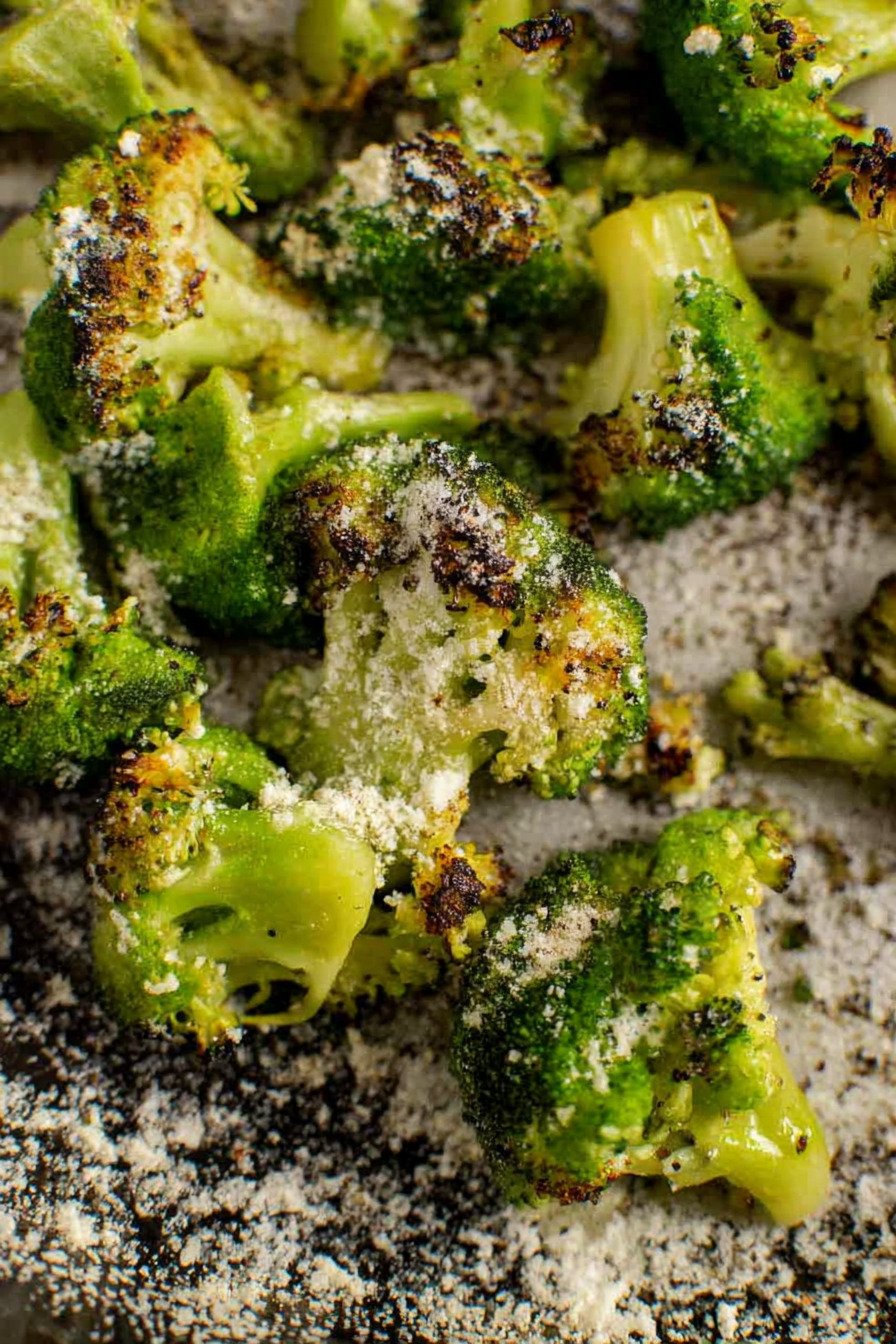
4) Why Most Roasted Frozen Broccoli Recipes Fail
Most roasted frozen broccoli recipes fail because the broccoli is treated too gently. If the oven is not hot enough, the florets thaw slowly and sit in their own moisture. That trapped steam softens the tops before they can brown, which is why the final texture feels limp instead of roasted.
Another common failure is thawing the broccoli first. It sounds logical, but thawed broccoli releases water onto the pan before the oven has a chance to evaporate it. When moisture pools under the florets, the bottoms steam. Starting from frozen keeps the pieces firmer long enough for the hot oven to work.
Crowding is the next problem. When florets overlap, they trap steam between them. You will see this when the broccoli looks wet after several minutes in the oven instead of lightly dry around the edges. A single layer gives the moisture somewhere to go.
Too much oil can also work against you. Frozen broccoli does not need a heavy pour of oil; it needs a thin coating. Olive oil spray is useful because it seasons the surface without weighing the florets down. Finally, flat flavor usually comes from uneven seasoning. Garlic powder, onion powder, salt, and pepper should land across the tops so each bite tastes finished.
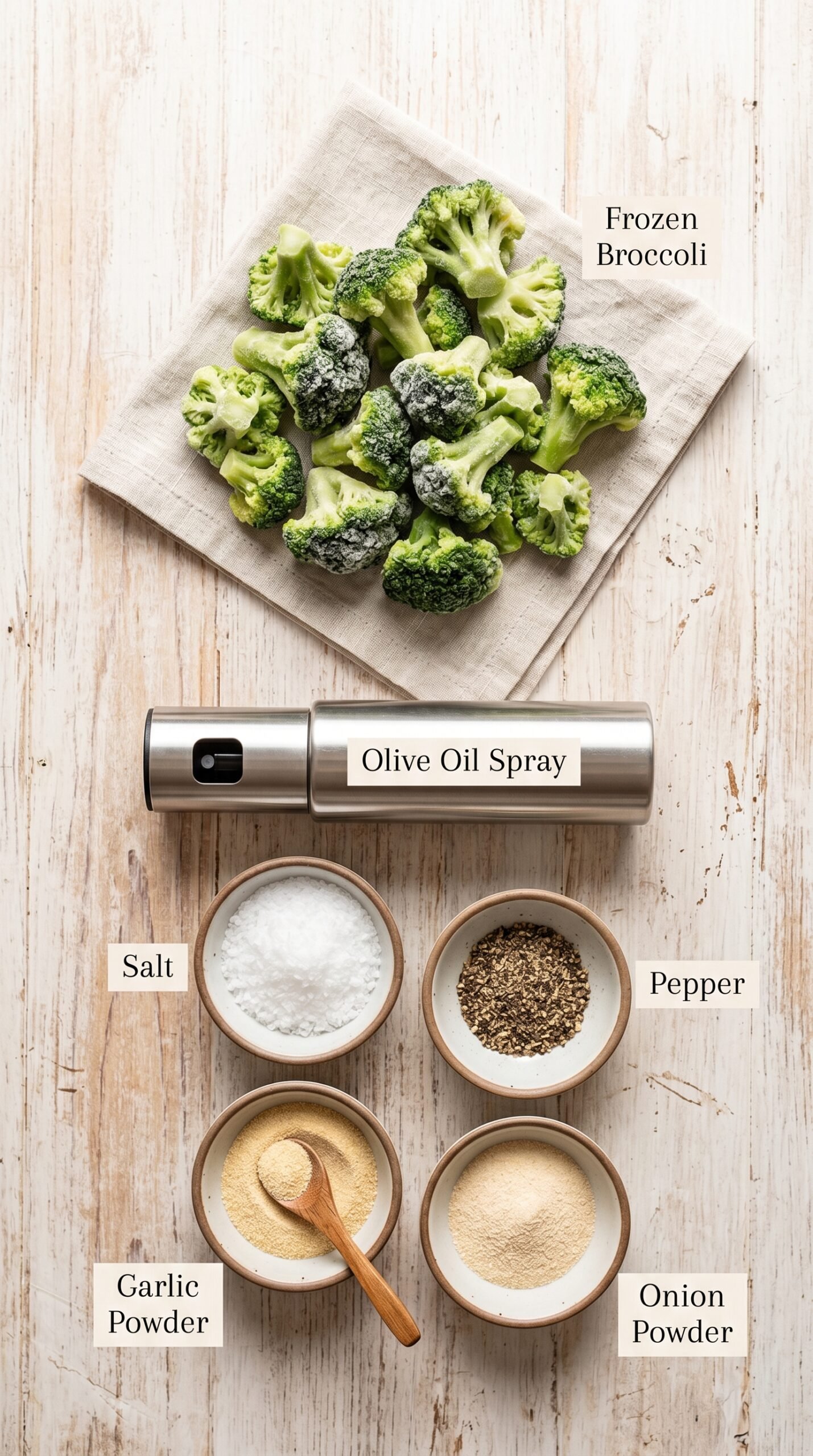
5) Ingredients for Roasted Frozen Broccoli
Frozen broccoli florets: Use the florets straight from the freezer, not thawed. Frozen broccoli is convenient, but it carries surface ice and hidden moisture, so the cooking method needs high heat and space. If replaced with fresh broccoli, the timing will usually be shorter and the texture will brown faster.
Olive oil spray: Olive oil spray gives the broccoli a light, even coating so the seasonings stick without soaking the florets. Use it right after the frozen broccoli is spread on the pan. A heavy drizzle of oil can make the broccoli feel greasy and can slow down crisping.
Salt: Salt brings out the natural sweetness of broccoli and keeps the finished side dish from tasting flat. Add it before roasting so it seasons the surface as the florets heat. If you skip it, the garlic and onion powders will taste less rounded.
Pepper: Pepper adds gentle bite and balances the vegetable sweetness. Use it before roasting so the flavor settles into the hot florets. If you prefer a milder taste, use a lighter hand and adjust after roasting.
Garlic powder: Garlic powder gives savory depth without adding fresh garlic that might burn at 420 degrees. It works well here because it clings to the lightly sprayed surface. Replacing it with minced garlic can create bitter spots unless added later.
Onion powder: Onion powder adds a rounded, almost sweet savory note that makes the broccoli taste more complete. It is especially helpful in a simple frozen broccoli recipe because it builds flavor without extra prep.
- Frozen broccoli vs fresh broccoli: Frozen broccoli needs stronger heat and moisture control, while fresh broccoli browns faster because it starts drier.
- Olive oil spray vs poured oil: Spray gives a thin, even coat; poured oil can collect on frozen surfaces and soften the texture.
- Garlic powder vs fresh garlic: Garlic powder is safer at high heat, while fresh garlic can scorch before the broccoli finishes roasting.
- Single layer vs crowded pan: A single layer lets steam escape; a crowded pan traps moisture and makes the florets limp.
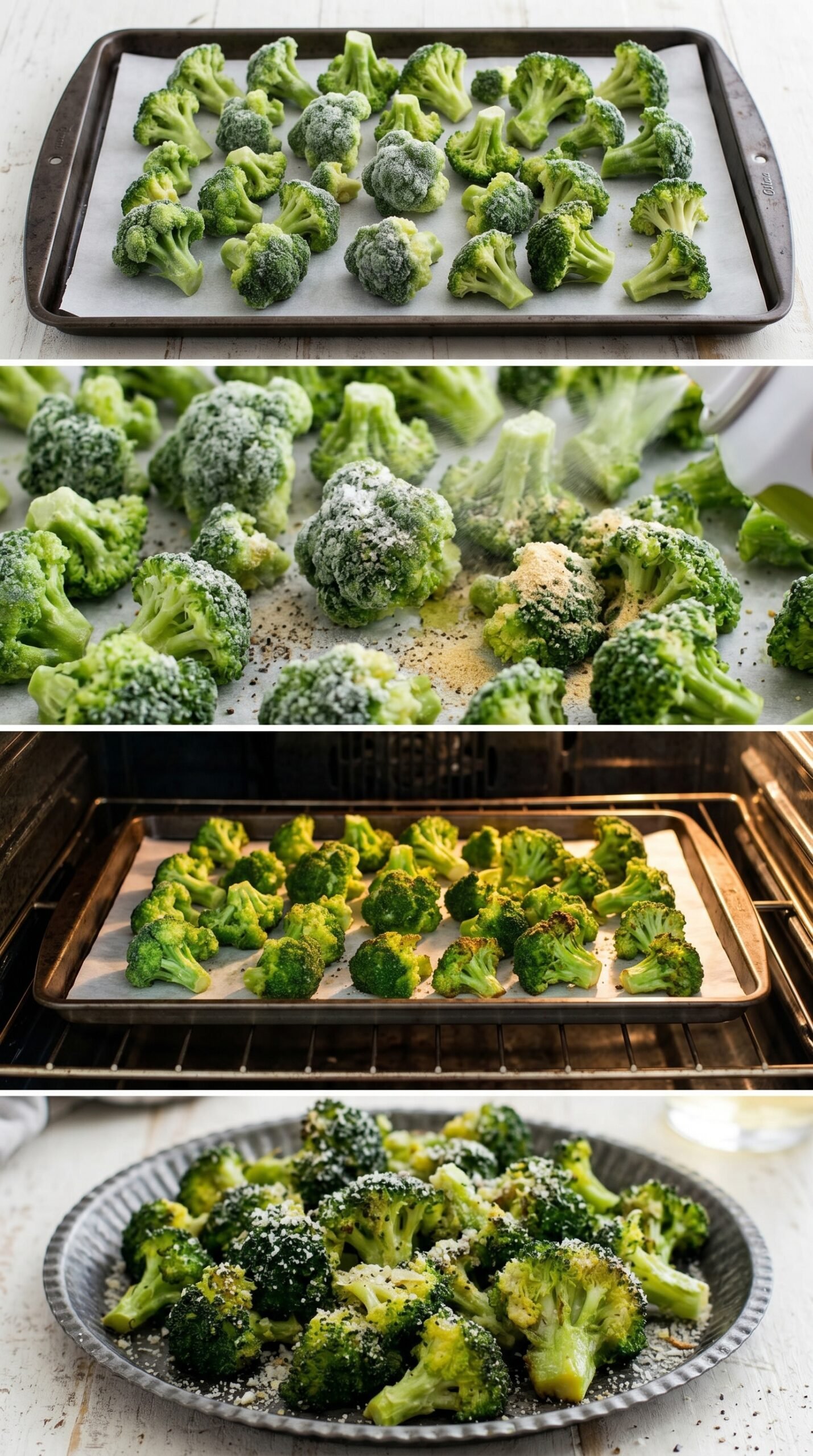
6) How to Make Roasted Frozen Broccoli
Step 1: Preheat the oven to 420 degrees. This high temperature matters because frozen broccoli needs immediate heat to evaporate moisture before the florets soften too much.
Step 2: Line a baking sheet with parchment paper. The parchment helps prevent sticking and makes it easier to stir the florets once or twice while they roast.
Step 3: Spread the frozen broccoli florets straight from the freezer onto the baking sheet in an even layer. Do not thaw them first. If any pieces are clumped together, separate them so steam does not get trapped in the middle.
Step 4: Spray the tops with olive oil spray. Aim for a light coating rather than a wet shine. The surface should look lightly glossed, not soaked.
Step 5: Sprinkle the salt, pepper, garlic powder, and onion powder evenly over the tops. There is no need to toss right away; the seasoning will cling as the frozen surface warms.
Step 6: Roast at 420 degrees for 15 to 20 minutes, stirring once or twice. Look for browned edges, a roasted aroma, and florets that feel tender when pierced but not waterlogged.
Step 7: Remove the pan from the oven and sprinkle the hot broccoli with parmesan cheese if desired. The residual heat softens the cheese slightly and gives the surface a salty finish.
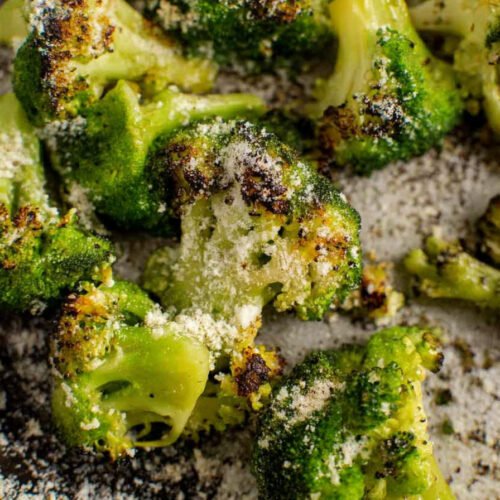
Step 8: Serve immediately. This is when oven roasted frozen broccoli has its best contrast: tender centers, crisped tips, and warm savory seasoning.
7) Recipe Card: Roasted Frozen Broccoli
Roasted Frozen Broccoli with Crisp Edges
Ingredients
- 10 oz frozen broccoli florets, kept frozen until they go on the baking sheet
- Olive oil spray, enough to lightly coat the broccoli without soaking it
- Salt, sprinkled evenly to season the florets
- Pepper, added to taste for mild heat
- Garlic powder, sprinkled evenly for savory depth
- Onion powder, sprinkled evenly for a rounded roasted flavor
Instructions
- Preheat the oven to 420 degrees so the frozen broccoli hits strong heat right away instead of slowly thawing and steaming.
- Line a baking sheet with parchment paper to help prevent sticking and make cleanup easier.
- Take the frozen broccoli florets straight from the freezer and spread them in one even layer on the prepared baking sheet. Do not thaw them first, and leave space between pieces when possible so moisture can escape.
- Spray the frozen broccoli with olive oil spray until the tops are lightly coated; avoid heavy pooling, which can make the florets softer instead of crisp.
- Sprinkle the broccoli evenly with salt, pepper, garlic powder, and onion powder over the tops. There is no need to toss or stir at this stage because the seasoning will cling as the surface moisture warms.
- Roast the frozen broccoli at 420 degrees for 15 to 20 minutes, stirring once or twice, until the florets are hot through, lightly browned on the edges, and crisped to your liking.
- Remove the broccoli from the oven and sprinkle with parmesan cheese while it is still hot so the cheese softens slightly against the roasted florets.
- Serve immediately for the best crisp edges and savory roasted flavor.
8) Tips for Making Roasted Frozen Broccoli
The first tip is to use the biggest baking sheet you have. Frozen broccoli needs room because moisture has to evaporate before browning can happen. If the florets are piled together, they will steam in place. When in doubt, use two pans instead of forcing everything onto one.
The second tip is to avoid over-oiling. A light olive oil spray is enough to help seasoning stick and encourage browning. If the broccoli looks slick or the parchment has oily puddles, the florets may turn heavy and soft around the edges.
The third tip is to stir only once or twice. Stirring helps expose new surfaces to heat, but constant movement cools the pan and interrupts browning. Let the oven do the work. You should smell a savory roasted aroma before the broccoli is finished.
The final tip is to treat the timing as a range. Smaller florets may be ready at 15 minutes, while thicker frozen pieces may need 20 minutes. The best frozen broccoli recipe is not about chasing an exact minute; it is about watching for browned tips and tender centers.
9) Common Mistakes & Fixes
Problem: The broccoli turns soggy. Cause: The florets were thawed first or crowded too tightly on the pan. Fix: Roast the broccoli straight from frozen and spread it into a single layer so moisture can escape.
Problem: The broccoli tastes bland. Cause: The seasoning was too light or uneven. Fix: Sprinkle salt, pepper, garlic powder, and onion powder evenly over the tops before roasting, then taste and adjust after the broccoli comes out hot.
Problem: The edges are not crisping. Cause: The oven may not be hot enough, the pan may be overcrowded, or there may be too much oil. Fix: Use 420 degrees, avoid heavy oil, and leave visible space between florets.
Problem: Some pieces burn while others stay soft. Cause: The pieces may be unevenly spread or large clumps may still be frozen together. Fix: Separate clumps before roasting and stir once or twice so the heat reaches more surfaces.
10) How to Tell Roasted Frozen Broccoli Is Perfect
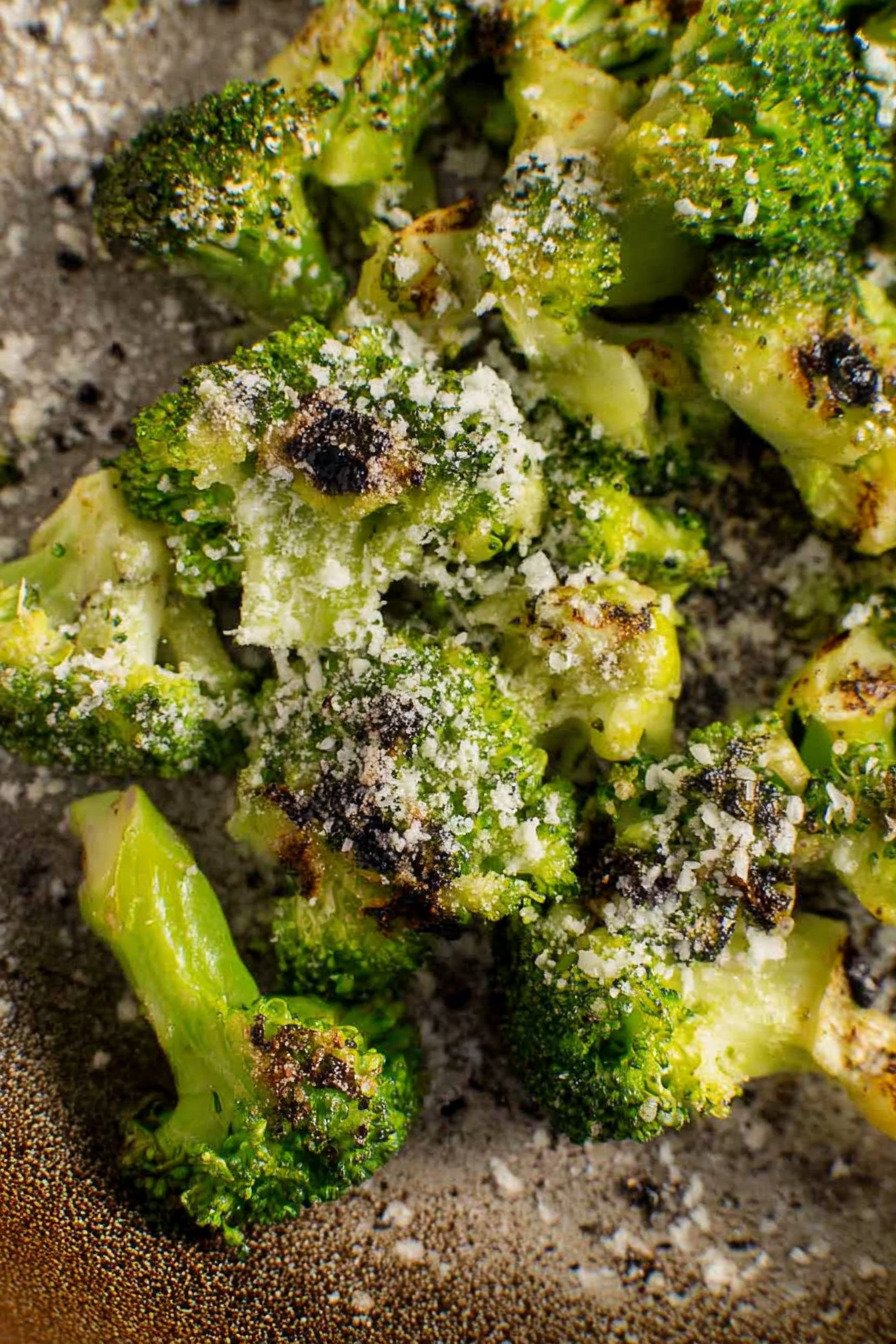
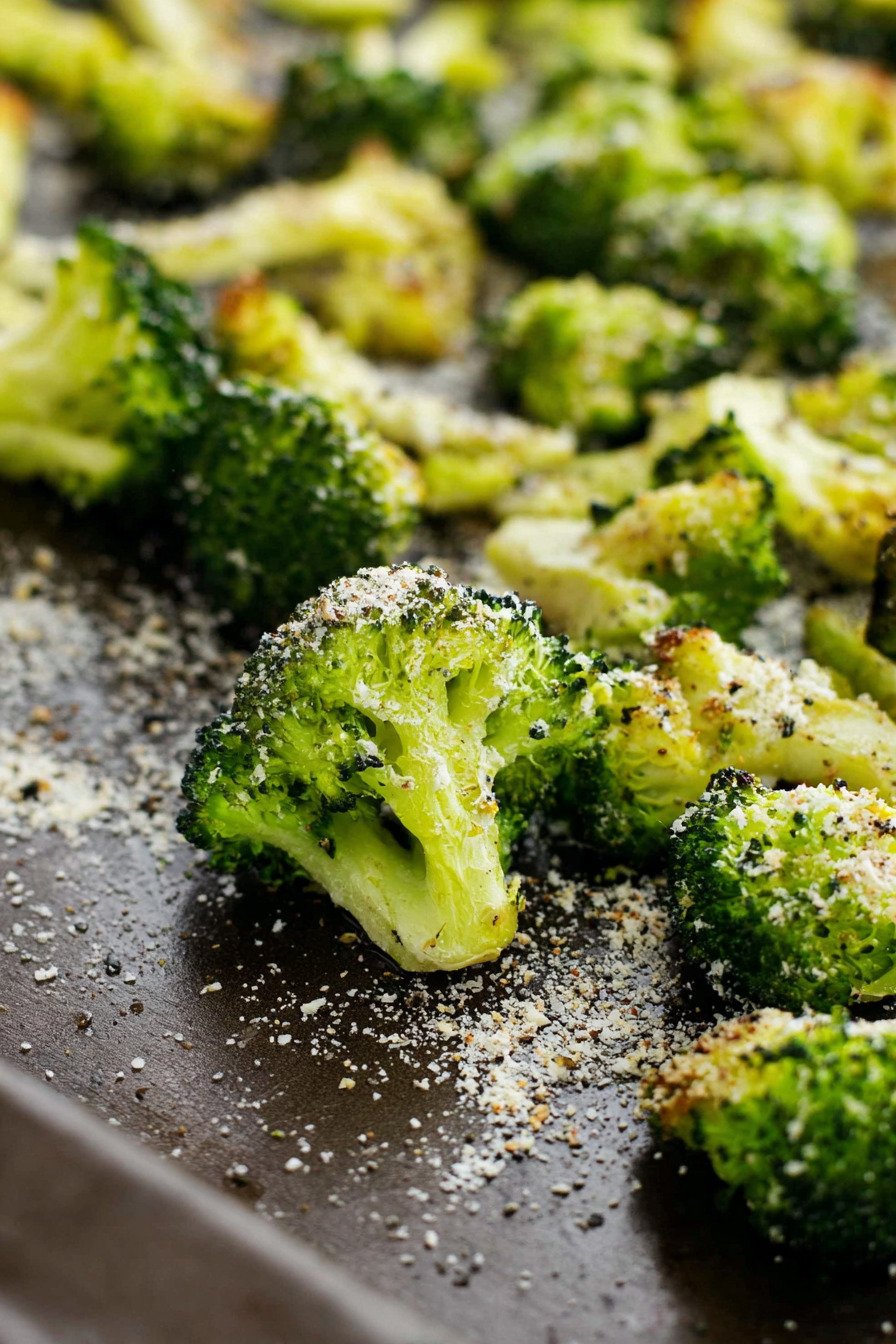
Roasted frozen broccoli is perfect when the florets look slightly shrunken, the tips are browned, and the surface no longer looks wet. The centers should be tender enough to bite through easily, but the edges should have a light crispness. If the broccoli looks glossy with water or leaves wet streaks on the parchment, it needs more roasting time or more space on the pan.
The aroma should be savory and roasted, with garlic and onion notes coming through clearly. The flavor should taste seasoned but not harsh, with enough salt to balance the natural bitterness broccoli can sometimes have. Failure signs include pale florets, watery pooling, mushy stems, burnt seasoning, or a steamed smell instead of a roasted one.
11) Professional Secrets Behind Better Roasted Frozen Broccoli
The professional secret is moisture management. Frozen vegetables are not difficult, but they are unforgiving when water gets trapped. A hot oven, a wide pan, and a thin oil coating all work together to move moisture away from the florets quickly. That is what turns frozen broccoli from soft and plain into a vegetable side with real roasted character.
Another useful trick is seasoning from above instead of tossing immediately. When frozen broccoli first lands on the pan, the surface is icy. Sprinkling the seasoning over the tops lets it sit where it can cling as the florets warm. Tossing too early can knock seasoning onto the parchment instead of keeping it on the broccoli.
For a stronger finish, add parmesan after roasting rather than before. Cheese can brown quickly at high heat, and adding it at the end keeps the flavor salty, nutty, and clean. That small finishing move makes the dish taste more intentional without changing the basic method.
12) Best Dishes or Pairings to Serve With Roasted Frozen Broccoli
Roasted frozen broccoli is a flexible side dish because its savory garlic-onion flavor works with simple proteins, grain bowls, and comfort meals. Serve it with roasted chicken, baked salmon, turkey meatballs, grilled steak, or crispy tofu. The browned edges give a nice contrast next to softer mains like mashed potatoes, rice, pasta, or casseroles.
For a quick dinner plate, pair it with scrambled eggs and toast, a baked potato with sour cream, or a bowl of rice with a fried egg on top. If you are wondering what to do with frozen broccoli when dinner feels unfinished, this method gives you a fast vegetable side that tastes more roasted than reheated.
13) Making Roasted Frozen Broccoli Ahead of Time
Roasted frozen broccoli is best cooked right before serving because the crisp edges soften as it sits. If you need to make it ahead, roast it slightly less than your ideal texture, cool it quickly, and store it in a shallow container. Reheat it in a hot oven so the surface can dry out again.
Avoid covering the broccoli while it is still hot. Trapped steam will undo the roasted texture and make the florets limp. If you are prepping for a dinner, the better make-ahead move is to have the baking sheet, parchment, seasonings, and olive oil spray ready, then roast the broccoli close to serving time.
14) Storing Leftover Roasted Frozen Broccoli
Store leftover roasted frozen broccoli in an airtight container in the refrigerator for up to 3 days. The flavor will hold well, but the edges will soften because cooked broccoli continues to release moisture as it sits. For the best reheated texture, use a hot oven or toaster oven and spread the leftovers in a single layer.
Microwaving is convenient, but it brings back more of a steamed texture. If you do microwave it, use short bursts and leave the container slightly vented. Leftovers can be chopped into omelets, stirred into rice bowls, added to pasta, or used as a quick topping for baked potatoes.
15) FAQ (Real Cooking Questions)
Do I need to thaw frozen broccoli before roasting? No. Thawing is the main reason many batches turn soggy. For roasted frozen broccoli, move the florets straight from the freezer to the baking sheet so the hot oven can evaporate moisture quickly.
Why is my frozen broccoli watery after roasting? The pan may be overcrowded, the oven may not be hot enough, or the broccoli may have thawed before roasting. Use a single layer, keep the temperature at 420 degrees, and avoid letting the florets sit out.
Can I use fresh broccoli instead? Yes, but the timing changes. Fresh broccoli starts drier, so it may brown faster and need less time. This method is designed specifically as a roasted broccoli recipe from frozen.
Can I add parmesan before roasting? It is better to add parmesan after roasting. At 420 degrees, cheese can brown too quickly or stick to the parchment. Adding it while the broccoli is hot gives flavor without risking burnt bits.
What makes this an easy frozen broccoli recipe? The broccoli does not need chopping, thawing, boiling, or blanching. The main technique is spreading the frozen florets out, seasoning the tops, and roasting hot until the edges brown.
16) Save This Roasted Frozen Broccoli Recipe
If this roasted frozen broccoli helped you solve the soggy frozen vegetable problem, save it for nights when dinner needs a fast side dish. The key reminder is: roast straight from frozen at high heat, keep the pan uncrowded, and serve while the edges are still crisp.
17) Conclusion
Roasted frozen broccoli is not complicated, but it does ask for the right method. The difference between limp broccoli and crisp-edged broccoli comes down to moisture, heat, and spacing. Once you skip the thaw, use a light oil coating, season evenly, and roast the florets in a single layer, the freezer bag suddenly feels like a real dinner advantage instead of a backup plan.
That is the quiet confidence of this recipe: you do not need fresh produce waiting in the fridge to make a useful vegetable side. You just need to understand what frozen broccoli needs from the oven. Hot pan, no thawing, enough room, and a little patience. That is where the roasted flavor finally shows up.
18) Nutrition
Serving Size 1 portion Calories 58 Sugar 2 g Sodium 210 mg Fat 3 g Saturated Fat 1 g Carbohydrates 6 g Fiber 3 g Protein 3 g Cholesterol 2 mg
Leave a Comment