

1) My Tested Method for Creamy Chicken Thighs
Dry chicken in a cream sauce usually means the heat was too high or the chicken was rushed. I’m Camila, and I tested these creamy chicken thighs after one skillet dinner came out browned but the sauce turned thin and dull. I adjusted the searing time, lowered the heat before adding Half & Half, and discovered that gentle simmering is what keeps the chicken thigh cream sauce silky. This is the kind of comforting chicken dinner I reach for when I want calm at the table: juicy meat, soft spinach, sweet roasted peppers, and a sauce that feels rich without becoming heavy.
Table of Contents
- 1) My Tested Method for Creamy Chicken Thighs
- 2) Key Takeaways
- 3) Easy Creamy Chicken Thighs Recipe
- 4) Why Most Creamy Chicken Thighs Recipes Fail
- 5) Ingredients for Creamy Chicken Thighs
- 6) How to Make Creamy Chicken Thighs
- 7) Recipe Card: Creamy Chicken Thighs
- 8) Tips for Making Creamy Chicken Thighs
- 9) Common Mistakes & Fixes
- 10) How to Tell Creamy Chicken Thighs Are Done
- 11) Professional Secrets Behind Better Creamy Chicken Thighs
- 12) Best Dishes or Pairings to Serve With Creamy Chicken Thighs
- 13) Making Creamy Chicken Thighs Ahead of Time
- 14) Storing Leftover Creamy Chicken Thighs
- 15) FAQ (Real Cooking Questions)
- 16) Save This Creamy Chicken Thighs Recipe
- 17) Conclusion
- 18) Nutrition
2) Key Takeaways
- Sear first, simmer gently: Browning the chicken builds flavor, but the cream sauce needs lower heat so it stays smooth.
- Use doneness cues, not only time: Chicken thighs vary in thickness, so the safest checkpoint is 165°F in the thickest part.
- Build the sauce in the same skillet: Onion, roasted peppers, spinach, Parmesan, and the browned chicken bits create a deeper chicken thigh cream sauce.
- Finish the chicken in the sauce: Returning the chicken to the skillet helps the sauce cling to the meat instead of sitting separately underneath.
3) Easy Creamy Chicken Thighs Recipe
These creamy chicken thighs work because the recipe uses a simple skillet sequence that protects both flavor and texture. First, the chicken is seasoned and seared so the surface develops color. Then the onion softens in the same pan, picking up the browned bits left behind. Roasted peppers bring sweetness, red pepper flakes add a controlled background warmth, and Half & Half creates a lighter creamy base than heavy cream.
The important detail is when the heat changes. Medium-high heat helps the chicken brown, but medium-low heat is safer once the dairy enters the skillet. Parmesan thickens the sauce, spinach wilts quickly, and the final 5 minutes bring the chicken and sauce together. This method is especially useful for chicken thigh recipes creamy enough to serve over rice, pasta, potatoes, or bread without making the sauce heavy or greasy.
4) Why Most Creamy Chicken Thighs Recipes Fail
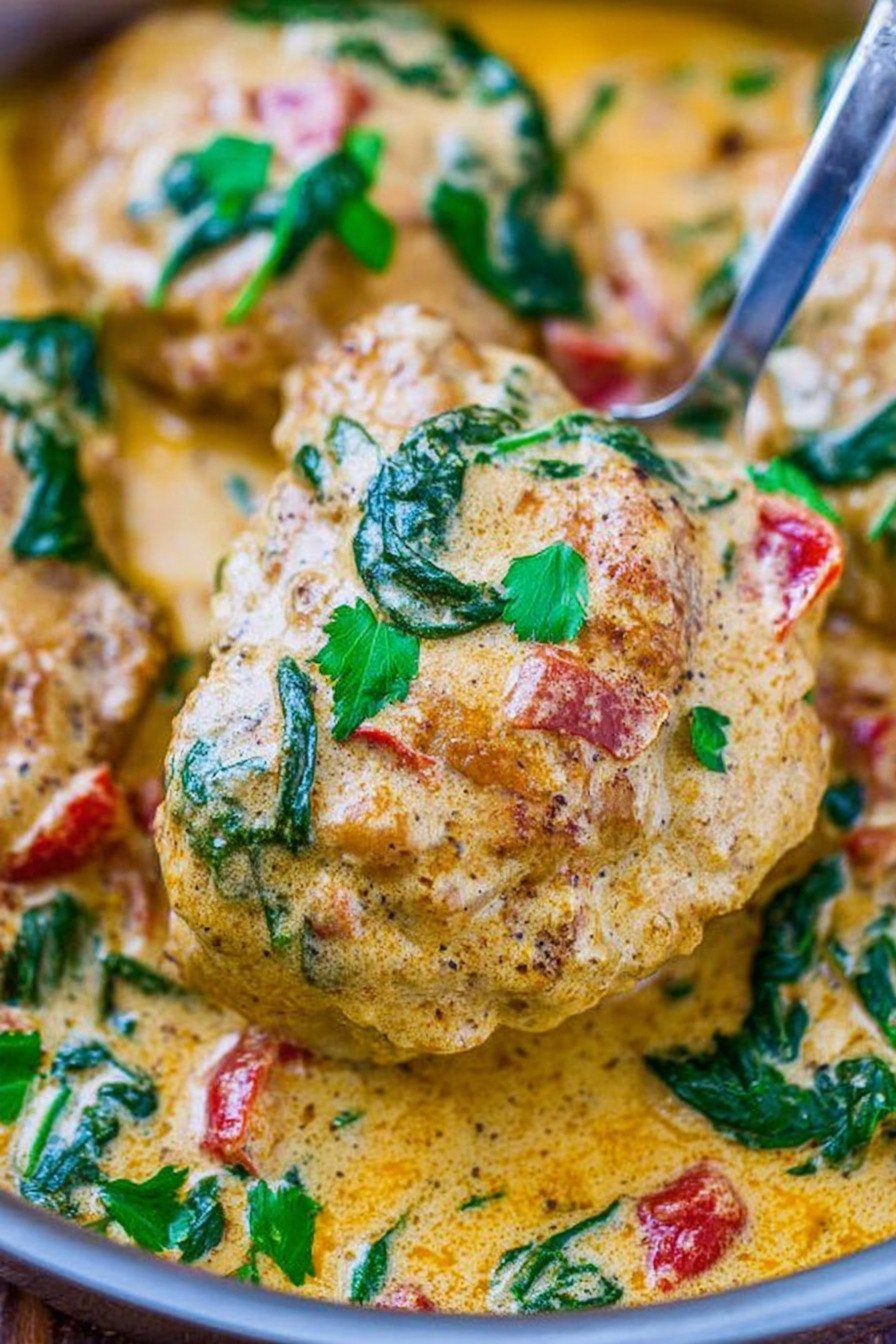
Most creamy chicken thighs fail for one of five reasons: poor browning, overcooked chicken, overheated dairy, weak seasoning, or a sauce that never has time to cling to the meat. If the chicken goes into the pan damp, it steams before it browns. If the heat stays too high after the Half & Half is added, the sauce can separate or taste flat. If Parmesan is stirred into a boiling sauce, it may turn grainy instead of melting smoothly.
The fix is practical: dry the chicken, season both sides, sear in hot oil, then reduce the heat as the recipe moves from browning to sauce building. The onion should smell sweet and look lightly golden before the roasted peppers go in. The cream should gently simmer, not bubble aggressively. The spinach should wilt into the sauce, not cook until dull and watery. When the chicken returns to the pan, spooning sauce over the top helps the final dish look glossy, creamy, and cohesive.
5) Ingredients for Creamy Chicken Thighs
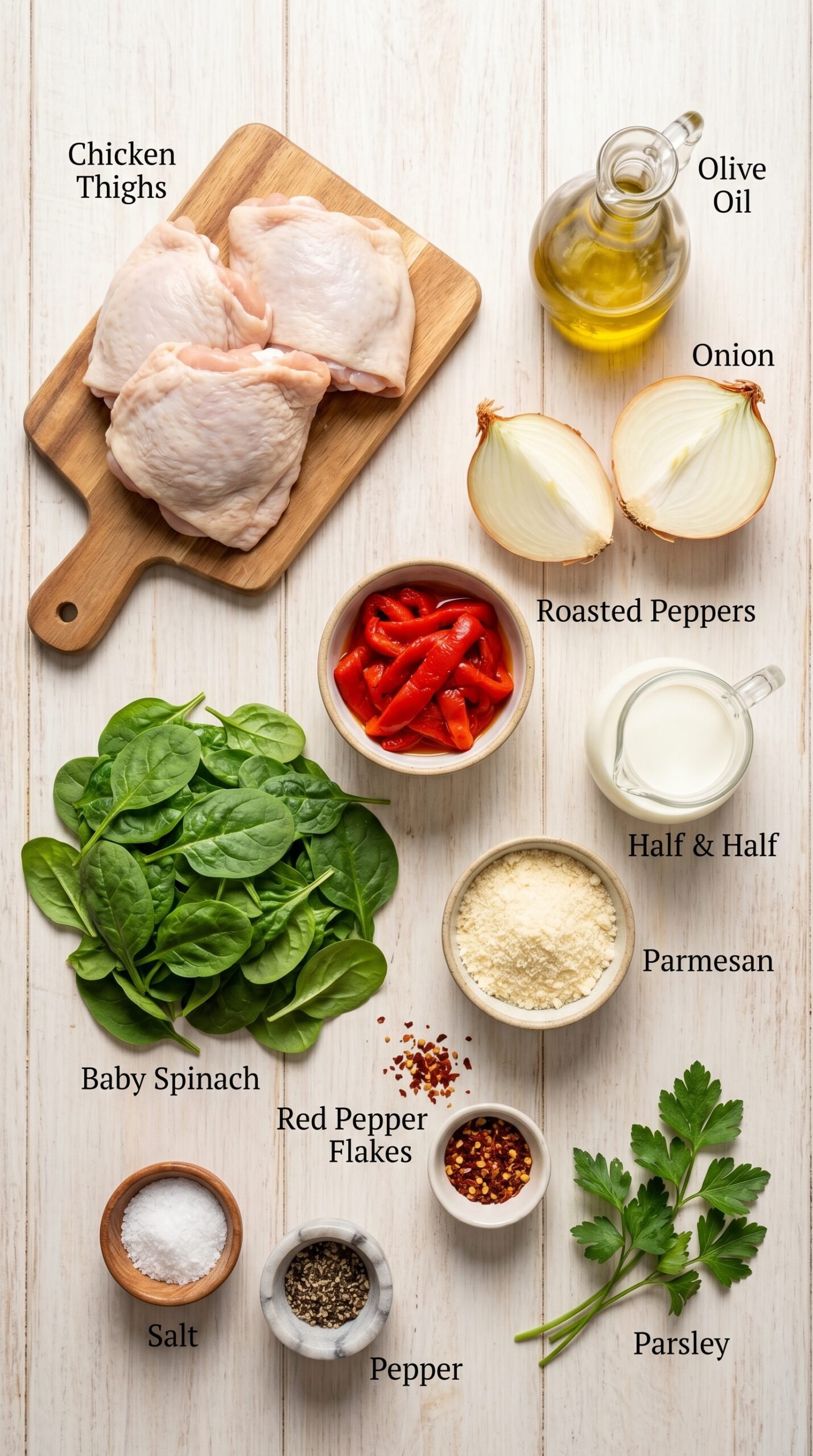
Skin-on chicken thighs: Chicken thighs stay juicy because they have more fat and connective tissue than chicken breast. Use them at the start of the recipe, season both sides well, and avoid crowding the pan. Drumsticks or breasts can work, but breasts cook faster and can dry out if treated like thighs.
Olive oil: Olive oil helps transfer heat evenly during searing and carries the browned chicken flavor into the sauce. Add it before the chicken so the pan surface is coated. Too little oil can make the skin stick before it has time to release naturally.
Onion: Onion gives the sauce a savory-sweet base. It goes into the skillet after the chicken is removed, when the pan already has browned flavor. If the onion is rushed, the sauce tastes sharper and less rounded.
Red pepper flakes: Red pepper flakes add warmth without turning the dish into a spicy recipe. Add them with the roasted peppers so they bloom briefly in the pan. Using too much can overpower the dairy and Parmesan.
Roasted peppers: Roasted peppers add sweetness, color, and a soft texture that works well with the cream sauce. Add them after the onion softens. Fresh raw peppers would need longer cooking and would change the final texture.
Half & Half: Half & Half creates a creamy sauce without making it overly thick. Add it only after lowering the heat. Boiling it hard can cause a less smooth sauce, especially once cheese is added.
Baby spinach: Baby spinach wilts quickly and adds freshness to the skillet. Add it once the cream is simmering gently. Overcooking spinach can make the sauce watery and the greens dull.
Parmesan cheese: Parmesan adds salt, body, and a savory finish. Stir it in after the spinach wilts so it melts into the sauce instead of clumping. Freshly grated Parmesan usually melts more smoothly than pre-shredded cheese.
Salt and pepper: Salt and pepper season the chicken first and help adjust the sauce at the end. Taste after the Parmesan is added because Parmesan brings its own saltiness.
Fresh parsley: Parsley is added after cooking for color and a clean finish. It should not simmer in the sauce because its fresh flavor fades quickly with heat.
- Chicken thighs vs chicken breasts: Thighs are more forgiving and stay juicier; breasts need closer timing because they dry out faster.
- Half & Half vs heavy cream: Half & Half makes a lighter sauce, while heavy cream creates a richer and thicker result.
- Roasted peppers vs raw peppers: Roasted peppers bring sweetness immediately; raw peppers need extra cooking and taste sharper.
- Gentle simmer vs hard boil: A gentle simmer keeps the sauce creamy, while boiling can make dairy and cheese separate.
6) How to Make Creamy Chicken Thighs
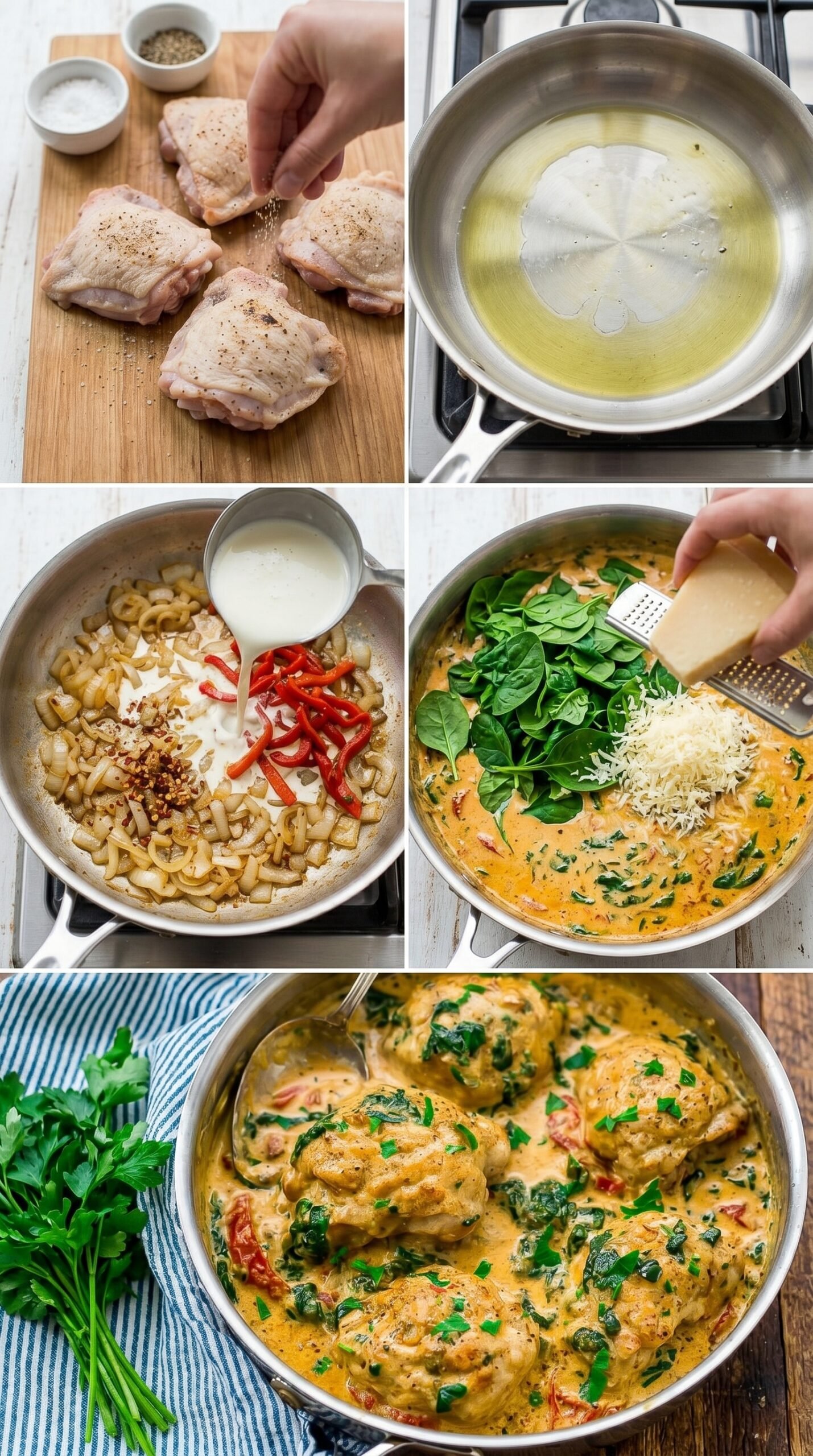
Step 1: Season the chicken thighs with salt and pepper on both sides. Patting the chicken dry before seasoning helps the surface brown instead of steam.
Step 2: Heat olive oil in a large skillet over medium-high heat, then add the chicken. Sear for about 2 minutes to start building color, then reduce the heat to medium and continue cooking until the chicken is done. The exact time depends on thickness, so check for firm but still juicy meat and an internal temperature of 165°F.
Step 3: Remove the chicken from the skillet and keep the browned bits in the pan. Add the onion and cook for about 5 minutes, until it turns soft, fragrant, and lightly golden. Stir in the red pepper flakes and roasted peppers, then cook for another 2 minutes.
Step 4: Reduce the heat to medium-low before adding the Half & Half. Bring it to a gentle simmer, then add the spinach. Once the spinach wilts, stir in the Parmesan until the sauce looks creamy and lightly thickened.
Step 5: Return the chicken to the skillet and cook for 5 minutes, spooning the sauce over the top. Stop once the chicken is hot, glossy, and coated. Remove from the heat and finish with fresh parsley.
7) Recipe Card: Creamy Chicken Thighs
Creamy Chicken Thighs with Spinach Parmesan Sauce
Ingredients
- 2 lbs. skin-on chicken thighs, patted dry so the skin browns well; drumsticks or breasts can also be used
- 2 tbsp. olive oil, for searing the chicken and carrying flavor into the sauce
- 1 medium onion, finely sliced or diced so it softens evenly
- ½ tsp. red pepper flakes, for gentle heat without overpowering the cream sauce
- ½ cup roasted peppers, cut into thin strips for sweetness and color
- 1 cup Half & Half, added over lower heat to keep the sauce smooth
- 4 cups baby spinach, loosely packed and added just until wilted
- ¾ cup Parmesan cheese, freshly grated if possible for better melting
- salt and pepper to taste, divided between seasoning the chicken and finishing the sauce
- fresh parsley, to garnish just before serving
Instructions
- Season the chicken thighs on both sides with salt and pepper. For better browning, let the surface stay as dry as possible before it goes into the skillet.
- Heat the olive oil in a large skillet over medium-high heat. Add the chicken skin-side down if using skin-on thighs and sear for about 2 minutes, then reduce the heat to medium and continue cooking until the chicken is cooked through and reaches 165°F in the thickest part. Timing will vary based on thickness, so use visual browning and internal temperature rather than the clock alone.
- Transfer the cooked chicken to a plate and keep the browned bits in the skillet. Add the onion to the same skillet and cook for about 5 minutes, stirring often, until soft, lightly golden, and fragrant. Stir in the red pepper flakes and roasted pepper strips, then cook for another 2 minutes to deepen the flavor.
- Reduce the heat to medium-low. Pour in the Half & Half and bring it to a gentle simmer, not a hard boil. Add the baby spinach and stir until it wilts, then add the Parmesan cheese and stir until the sauce turns creamy and lightly thickened.
- Return the chicken to the skillet and spoon the sauce over the top. Cook for 5 minutes so the chicken warms through and the sauce coats the pieces well. Remove from the heat, taste the sauce for salt and pepper, and garnish with freshly chopped parsley before serving.
8) Tips for Making Creamy Chicken Thighs
For better creamy chicken thighs, start with a wide skillet so the chicken browns instead of steaming. If the pan is crowded, moisture builds up and the chicken can turn pale before it cooks through. Let the chicken sit undisturbed during the first sear so the surface has time to form color.
Control the heat when making the sauce. The Half & Half should tremble gently around the edges, not boil hard. Parmesan melts best when the sauce is hot enough to dissolve it but not so hot that it tightens into clumps. If the sauce becomes too thick, a small splash of Half & Half can loosen it. If it is too thin, simmer it briefly before adding the chicken back.
For creamy bone in chicken thigh recipes, remember that bone-in pieces take longer than boneless pieces. Check temperature near the thickest part without touching the bone. For boneless thighs, begin checking sooner because they can finish quickly after searing.

9) Common Mistakes & Fixes
Problem: The chicken looks pale instead of browned. Cause: The pan was crowded, the chicken surface was wet, or the heat was too low at the start. Fix: Pat the chicken dry, heat the oil properly, and leave space between pieces.
Problem: The sauce tastes thin or watery. Cause: The spinach released moisture, the cream did not simmer long enough, or the Parmesan was added before the sauce warmed properly. Fix: Let the cream gently simmer, wilt the spinach fully, then add Parmesan and stir until the sauce lightly coats a spoon.
Problem: The sauce turns grainy. Cause: The heat was too high when the Parmesan was added. Fix: Keep the skillet at medium-low and stir the cheese into a gentle simmer, not a rolling boil.
Problem: The chicken is dry. Cause: It cooked too long after reaching doneness. Fix: Use 165°F as the target and return the chicken to the sauce only long enough to warm and coat it.
10) How to Tell Creamy Chicken Thighs Are Done
Creamy chicken thighs are done when the chicken reaches 165°F in the thickest part, the juices run clear, and the meat feels firm but not stiff. The sauce should look smooth and glossy, with soft spinach folded through it and roasted peppers visible in the cream. A spoon dragged through the sauce should leave a brief trail before the sauce flows back together.
The aroma should be savory from the browned chicken and onion, lightly sweet from the roasted peppers, and nutty from the Parmesan. Failure signs include oil separating around the edges, cheese clumps, watery pooling from overcooked spinach, or chicken that feels tight and stringy when cut.
11) Professional Secrets Behind Better Creamy Chicken Thighs
The biggest professional habit is separating high-heat cooking from sauce finishing. Use stronger heat to brown the chicken, then lower the heat for the dairy. That one shift protects the chicken thigh cream sauce and keeps the final texture smooth.
Another useful technique is tasting after Parmesan, not before. Parmesan changes the salt level, body, and finish of the sauce. If you season heavily before adding it, the dish can become too salty. Finish with parsley off the heat so the final bite has freshness against the creamy base.
For a variation similar to creamy baked chicken thighs, sear the chicken first, build the sauce in the skillet, then transfer the covered skillet to a moderate oven until the chicken reaches 165°F. The stovetop method remains the base here, but this variation helps when you want a more hands-off finish.
12) Best Dishes or Pairings to Serve With Creamy Chicken Thighs
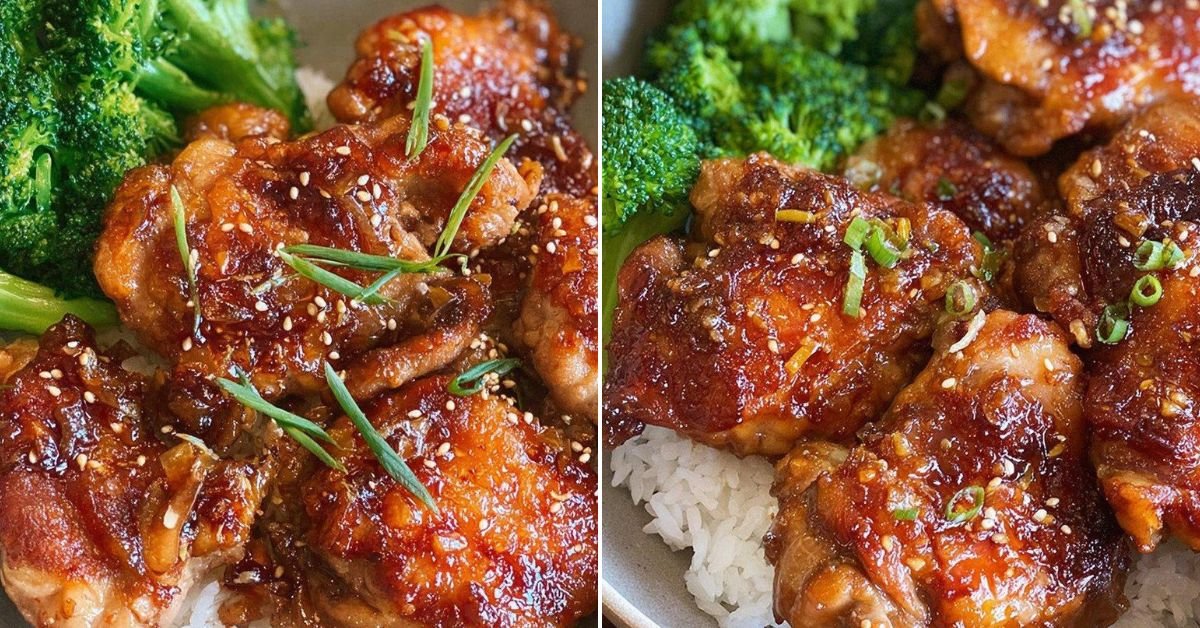
Creamy chicken thighs are rich enough to anchor dinner, so the best pairings either catch the sauce or brighten the plate. Serve them over rice, mashed potatoes, buttered noodles, or crusty bread if you want every spoonful of sauce used. For a lighter plate, add roasted asparagus, green beans, sautéed zucchini, or a crisp salad with lemony dressing.
The sauce also works well with simple grains such as quinoa or farro because the Parmesan and roasted peppers give enough flavor without needing a second sauce. If serving for a family dinner, keep the side dishes mild so the creamy spinach and pepper sauce remains the focus.



13) Making Creamy Chicken Thighs Ahead of Time
You can make creamy chicken thighs ahead, but the sauce needs gentle handling. Cook the chicken and sauce as directed, cool them quickly, and store them together so the chicken stays moist. When reheating, use low heat and stir the sauce slowly. Avoid boiling because dairy sauces can separate when reheated aggressively.
If preparing components ahead, season the chicken and slice the onion and roasted peppers earlier in the day. Wait to wilt the spinach and add Parmesan until cooking time if you want the freshest color and smoothest sauce.
14) Storing Leftover Creamy Chicken Thighs
Store leftover creamy chicken thighs in an airtight container in the refrigerator for up to 3 days. Reheat gently in a covered skillet over low heat, adding a small splash of Half & Half if the sauce has thickened. Stir around the chicken rather than breaking it apart so the pieces stay intact.
Freezing is possible, but cream-based sauces can change texture after thawing. If you freeze leftovers, thaw overnight in the refrigerator and reheat slowly while stirring. Leftover sauce can be spooned over rice, tucked into a warm wrap with sliced chicken, or served with roasted vegetables for another meal.
15) FAQ (Real Cooking Questions)
Can I use boneless chicken thighs? Yes. Boneless thighs work well, but they cook faster than bone-in or thicker skin-on thighs. Start checking for doneness earlier and remove them once they reach 165°F.
Can I use chicken breasts instead? Yes, but chicken breasts are leaner and less forgiving. Keep the heat controlled, avoid overcooking, and check the thickest part with a thermometer so the meat stays juicy.
Can I make chicken thigh recipes with cream cheese using this method? You can add a small amount of cream cheese as an optional variation, but it should be softened and stirred in over low heat. Too much can make the sauce heavy and change the balance of the original dish.
Why did my sauce split? The most common reason is high heat after adding Half & Half or Parmesan. Keep the sauce at a gentle simmer and remove the skillet from strong heat if it starts bubbling too aggressively.
Can I make this more spicy? Yes. Increase the red pepper flakes slightly, but do it carefully. Cream softens heat, while Parmesan adds salt, so taste before adding more spice at the end.
16) Save This Creamy Chicken Thighs Recipe
If this creamy chicken thighs recipe helped you solve dry chicken or broken cream sauce, save it for a cozy skillet dinner. The key reminder is: sear the chicken for flavor, then lower the heat before building the sauce.

17) Conclusion
Creamy chicken thighs become much easier once you understand the two heat zones of the recipe: hotter heat for browning and gentler heat for the sauce. The chicken needs color first, then patience. The sauce needs simmering, not boiling. The Parmesan needs controlled heat, and the spinach needs only enough time to soften.
When those details come together, the result is a skillet of juicy chicken, sweet roasted peppers, tender greens, and a creamy Parmesan sauce that feels balanced instead of heavy. This is the kind of recipe that gives confidence because the cues are visible: golden chicken, soft onions, wilted spinach, glossy sauce, and a final spoonful that clings exactly the way it should.

18) Nutrition
Serving Size 1 portion Calories 585 Sugar 3 g Sodium 610 mg Fat 43 g Saturated Fat 15 g Carbohydrates 8 g Fiber 2 g Protein 40 g Cholesterol 205 mg






Leave a Comment